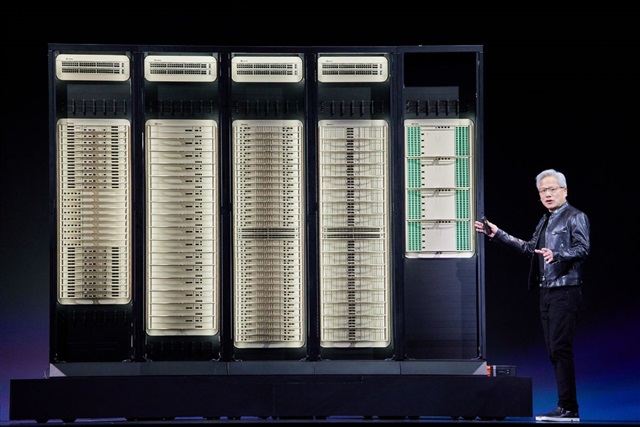
Huawei unveils latest attempt to take on Nvidia in the data center
Huawei presented its latest development for AI data centers, intensifying competition with Nvidia. The Chinese company is betting on semiconductors and AI infrastructure.
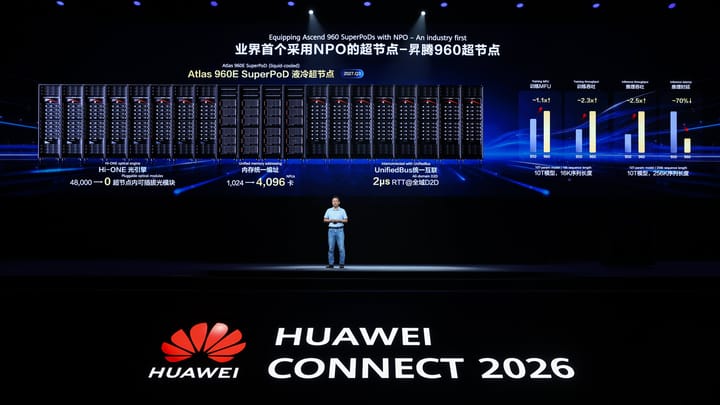
Huawei presented its latest development for AI data centers, intensifying competition with Nvidia. The Chinese company is betting on semiconductors and AI infrastructure.
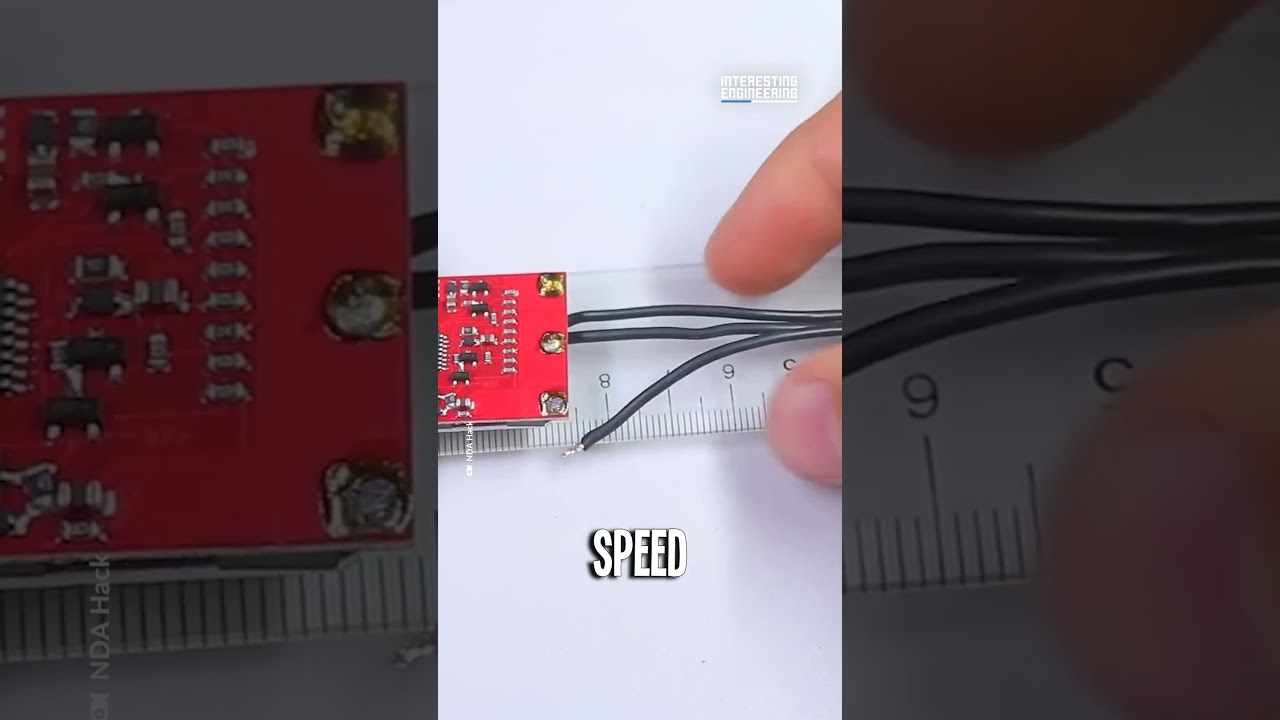
Researchers at Delft University of Technology created a tactile navigation system for microdrones: a pair of artificial "whiskers" with three pressure sensors at the base measures surface contact in three dimensions. Processing runs onboard and requires only 34 KB of memory. In tests the drone flew in total darkness, mapped rooms and found exits without cameras.
Samsung's Exynos share of the smartphone processor market reached 9% in the second quarter. Growth was driven by chips in the mid-range Galaxy A57 and A37 models.
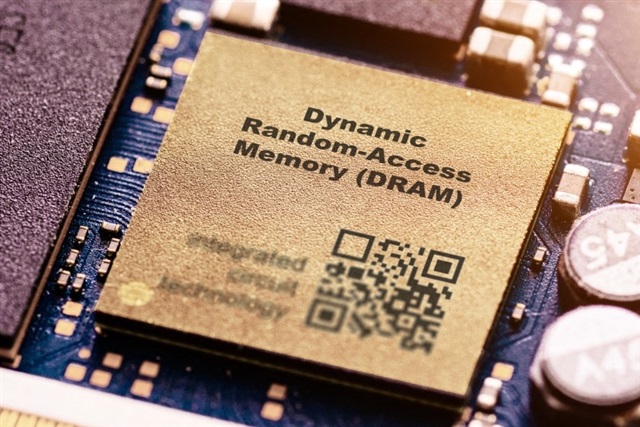
Chinese DRAM maker CXMT plans to enter the NAND flash memory market, where Samsung and domestic rival YMTC dominate. The move is driven by an AI-driven memory shortage.

China's MIIT and NDRC in the draft 15th five-year plan highlighted ultra-wide bandgap semiconductor materials — gallium oxide (Ga₂O₃) and synthetic diamond — for AI chip thermal regulation. The materials are seen as a solution to heat dissipation in powerful accelerators.
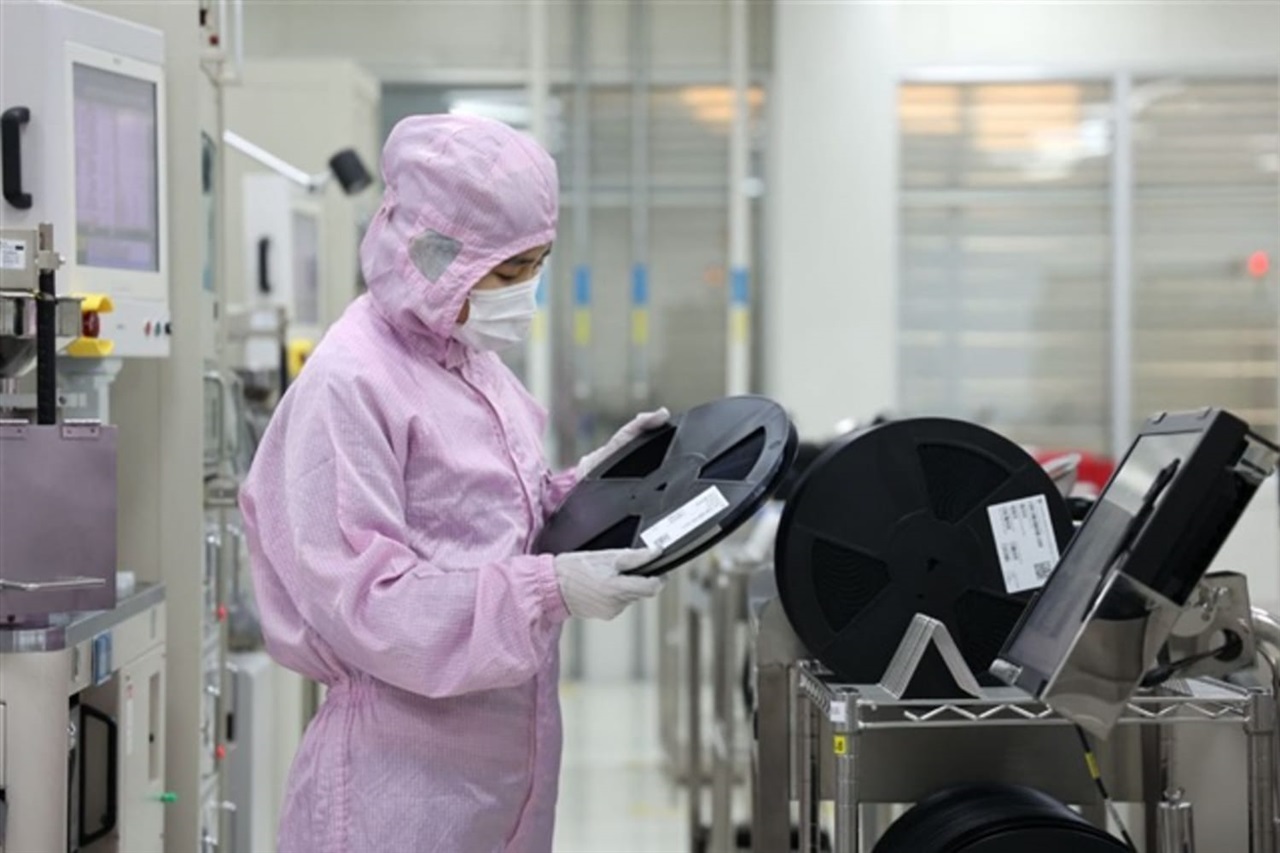
Lexiang Technology held a public test of its Aether embodied model in Shanghai on September 16: two humanoid robots operated a BBQ stall for over an hour, taking orders, cooking, and serving in a livestream. The ~4B-parameter model was trained on 200 hours of human video without real robot data.

ChangXin Memory Technologies is preparing a NAND flash pilot production line at a new site in Beijing, Reuters reports. The DRAM specialist will enter YMTC's territory amid a global memory shortage projected to last until 2027.

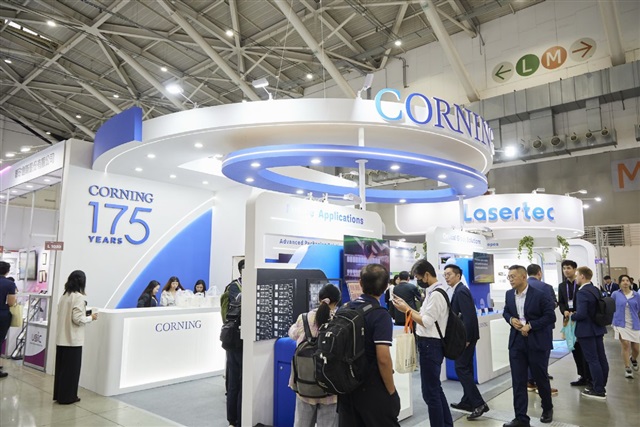
U.S. supplier Corning will raise prices for display glass substrates in yen by 15% or more worldwide starting in the fourth quarter of 2026. The reason is rising costs and demand, according to industry sources.
Former Micron executive vice president Sumit Sadana said at the Six Five Summit 2026 that meaningful growth in memory supply will not begin until 2028. According to him, the shortage has affected all market segments, and demand forecasts continue to rise.
UK-based Alloyed, together with the UK Ministry of Defence, has developed and tested a fully 3D-printed turbojet engine — from concept to tests in seven months. The engine family covers thrust from 30 to 2000 N; a 300 N class version is currently being tested, and a 1100 N engine should be ready for flight in seven months.
At Huawei Connect 2026, rotating chairman Eric Xu said Ascend chips have replaced Nvidia in China's AI market. He said from 2027 a significant share of AI model training in China will run on SuperPoD and SuperCluster based on Ascend 950DT.

At Semicon 2026, Kaynes Semicon, Merck, INOX Air Products and L&T Semiconductor said India must localise materials, gases and components after fabs launch. INOX produces about 12 semiconductor gases and will add 10 more, investing ₹500 crore.
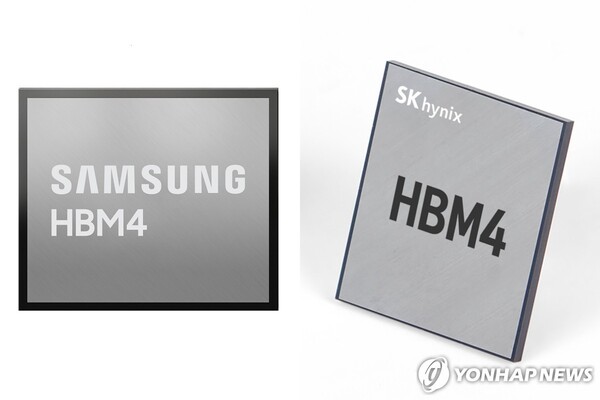
Chinese memory manufacturers are gaining ground in LPDDR6 and advanced NAND memory, while HBM remains their main challenge. AI is reshaping the memory market, constraining supply and opening a window for local suppliers.
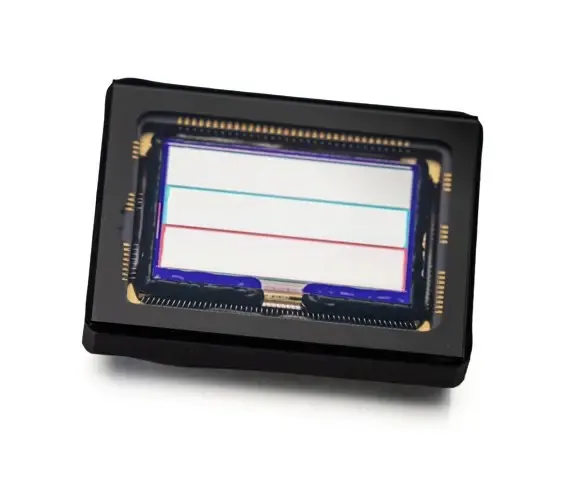
Imec has moved its most advanced linear hyperspectral sensor from development to commercial availability for camera and satellite constellation manufacturers. The sensor covers 450–900 nm, is divided into 96 spectral bands, and provides 40% higher SNR than its predecessor LS150.
Chinese companies face difficulties accessing Nvidia's flagship GPUs, forcing them to extract more value from each token to recoup costs. This explains the significant gap in token costs compared to other countries.

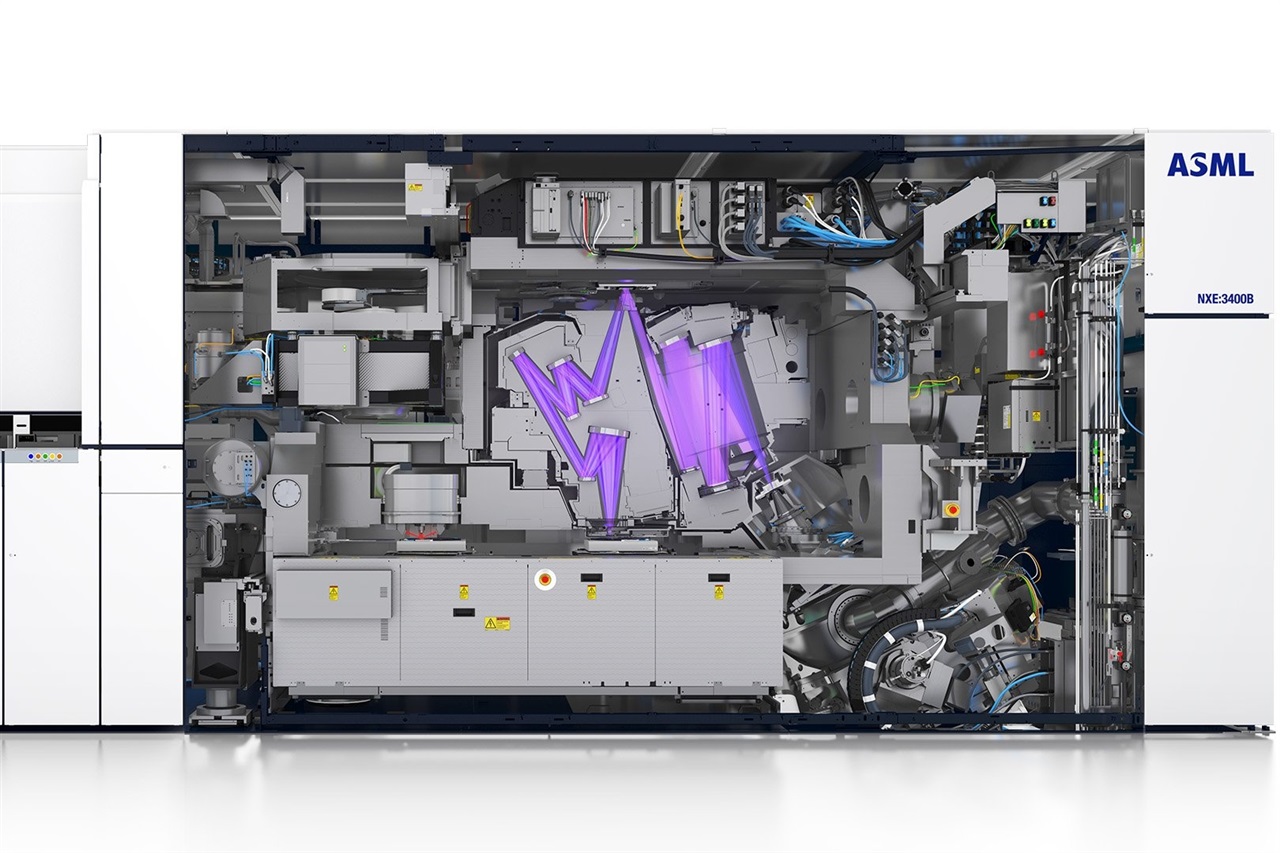
A shortage of specialized components in the chipmaking equipment supply chain has stretched lead times for critical parts to 40 months. The cause is accelerating investment in fabs amid capacity shortages in the semiconductor industry.
Nordic Semiconductor expanded its nRF54L series with the budget multiprotocol SoC nRF54LC10A: 128-MHz Cortex-M33 with TrustZone, 128-MHz RISC-V coprocessor, 1 MB memory, 192 KB RAM, and 2.4 GHz radio with Bluetooth LE, Thread, Zigbee, and Matter. Early samples are available, with mass production expected in Q2 2027.

Radxa launched the flagship edge-AI module rCore-Q8550, measuring 36x32 mm and based on the Qualcomm Dragonwing QCS8550 platform. It delivers up to 48 Dense INT8 TOPS and supports up to 16 GB LPDDR5X, 128 GB UFS 3.1, PCIe Gen 4 and six MIPI-CSI interfaces.

The spread of co-packaged optics (CPO) in optical interconnects may reduce high-speed transmission requirements on AI server motherboards, raising concerns about PCB downgrades. Switch makers, however, remain committed to M8 CCL material for now.
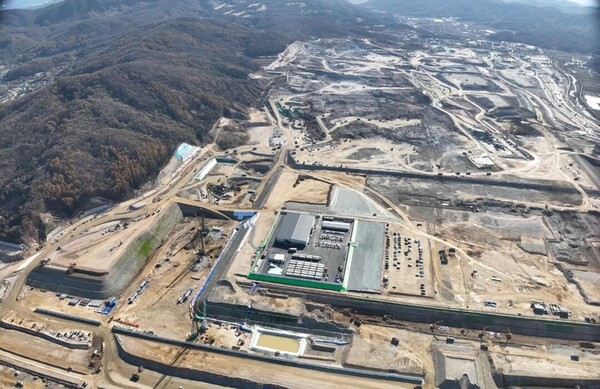
South Korea's Ministry of Climate, Energy and Environment began construction on September 18 of the first phase of a water supply system for the Yongin industrial complex. A 47 km pipeline from Paldang Dam will carry 310,000 tons of water per day; after all phases, capacity will reach 1.072 million tons per day for Samsung and SK hynix plants.
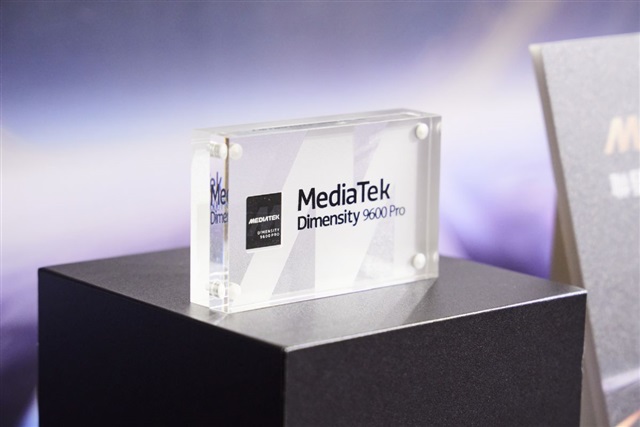
Technical details of 2026 mobile chips from major vendors are emerging. Key changes in Apple A20 Pro and MediaTek Dimensity 9600 Pro focus on the neural processing unit (NPU).
Micron management said memory has become the key bottleneck limiting AI performance as AI spreads from data centers to edge devices and robots. The company is betting on long-term contracts and custom designs instead of spot supply.

KB Securities estimates the global semiconductor market will reach about 2000 trillion won (~$1.44 trillion) this year, with the memory market growing more than threefold to 1100 trillion won (55% of the total market). AI infrastructure investment next year will rise 63% to 1755 trillion won, with memory’s share increasing from 40% to 57%.
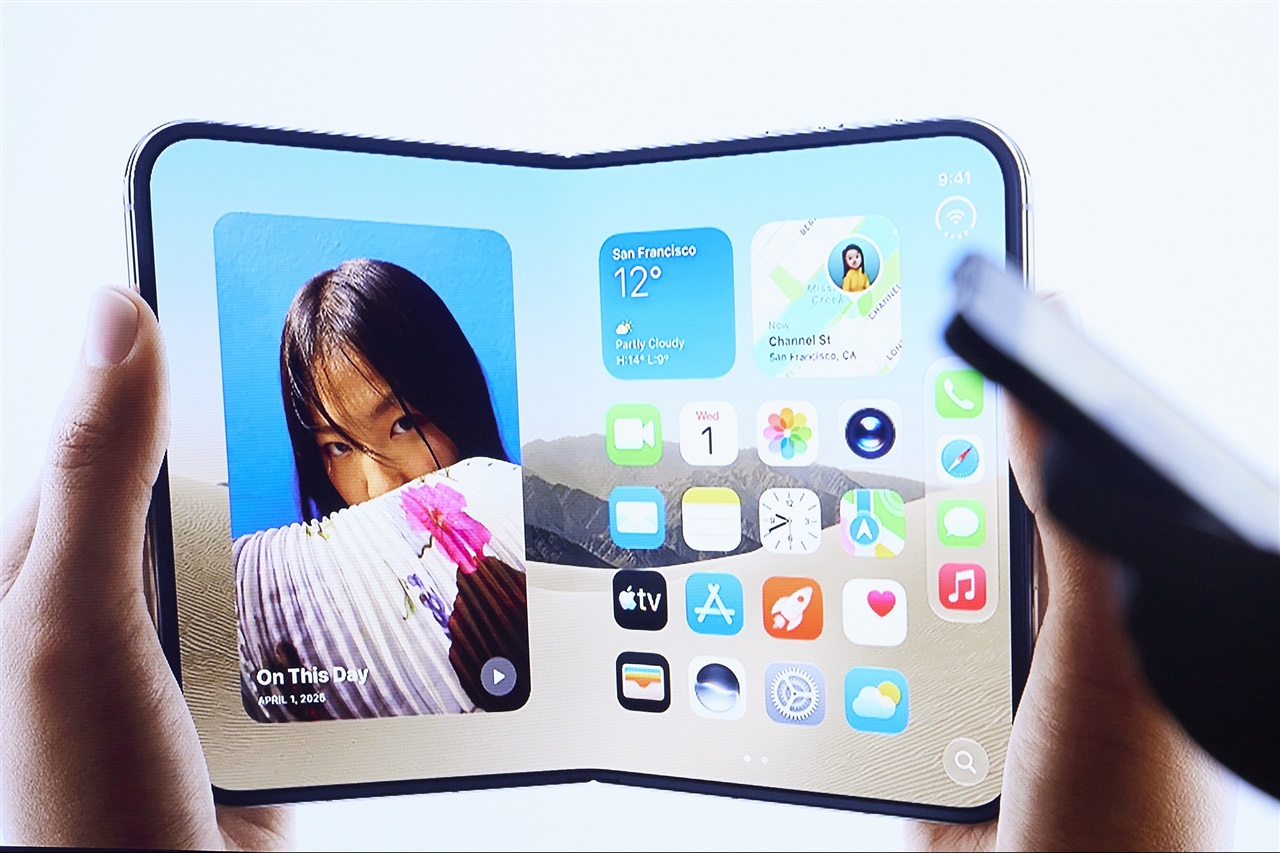
Counterpoint Research: global foldable smartphone panel shipments in the first half of 2026 fell 13% year-over-year. The decline is concentrated in the clamshell segment, with the market shifting toward in-fold designs.
Japan's Resonac has grown and processed a 300mm silicon carbide (SiC) single crystal, a step toward mass production of power electronics for electric vehicles, energy, and data centers. Moving from 200mm to 300mm increases chip yield per wafer.
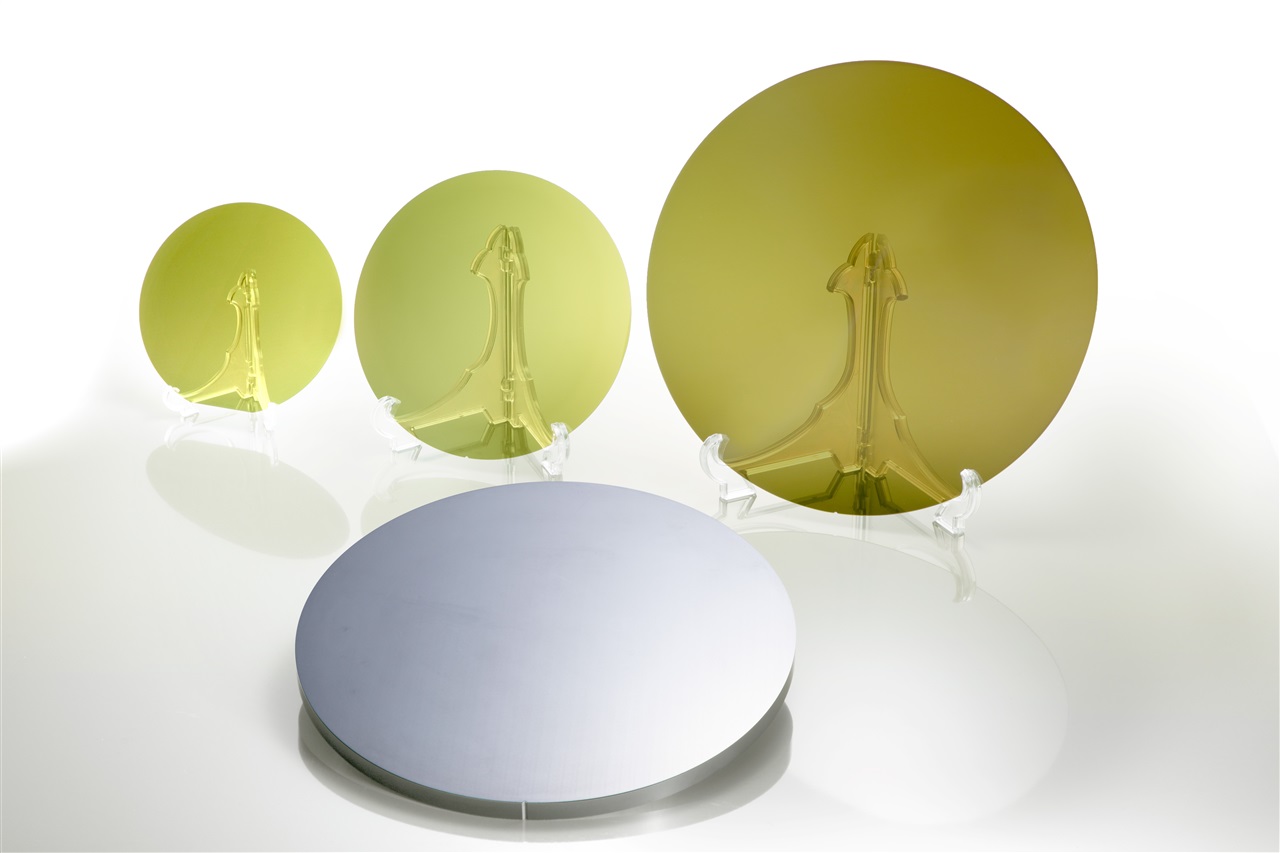
Samsung Electronics is deepening ties with Japan's semiconductor ecosystem, developing large-format 3.xD chiplet packaging for HPC and AI processors. The company is relying on Japanese materials, equipment, and engineering resources amid intensifying chip packaging race.
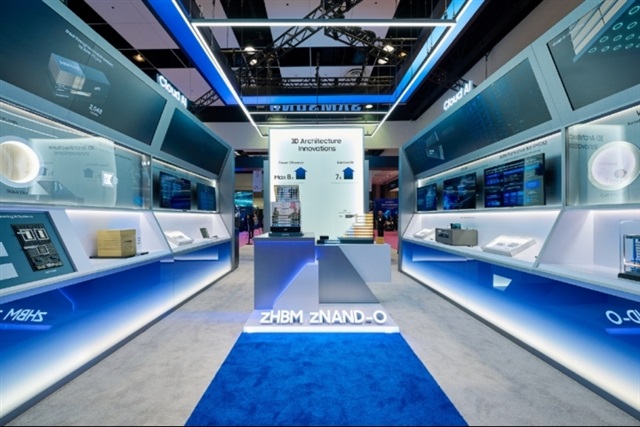
Gallium nitride (GaN) is becoming a key power semiconductor for AI data centers: rising rack power and the shift to higher voltages require improved efficiency and power density. The technology still lags competitors on cost.
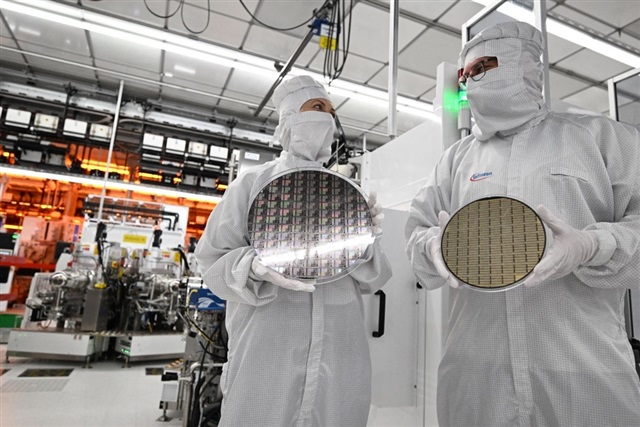
At Huawei Connect 2026, the company introduced the Agentic supercluster architecture, enabling scaling of Ascend compute to 1 million accelerators via UnifiedBus. This expands Huawei's strategy beyond individual chips and storage systems.
Samsung Display, according to Digitimes, is preparing investments of about KRW300 billion in a 12-inch RGB OLED-on-Silicon (OLEDoS) production line. The microdisplay technology is approaching mass production amid demand from XR devices.
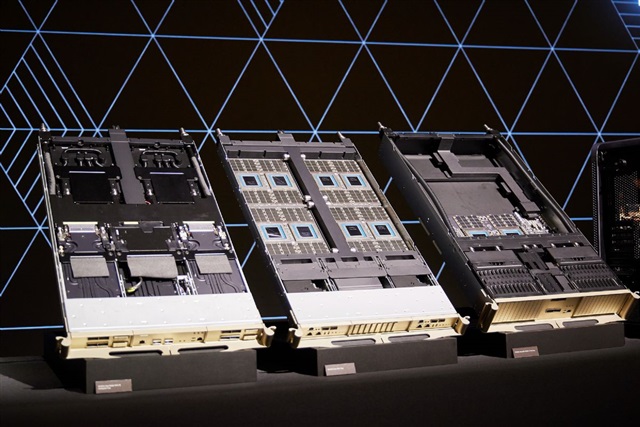
Nvidia revealed its AI platform roadmap: mass shipments of Vera Rubin will begin in the second half of 2026, followed by Vera CPU, Rubin GPU, and NVL4, NVL8, and NVL72 platforms. The company is shifting focus to rack-scale solutions.