chiprook

Science and Space News

September 17
Science

Falcon 9 Carries Classified Starshield Batch Tonight as Pentagon Bets $17B on Unkillable Satellites

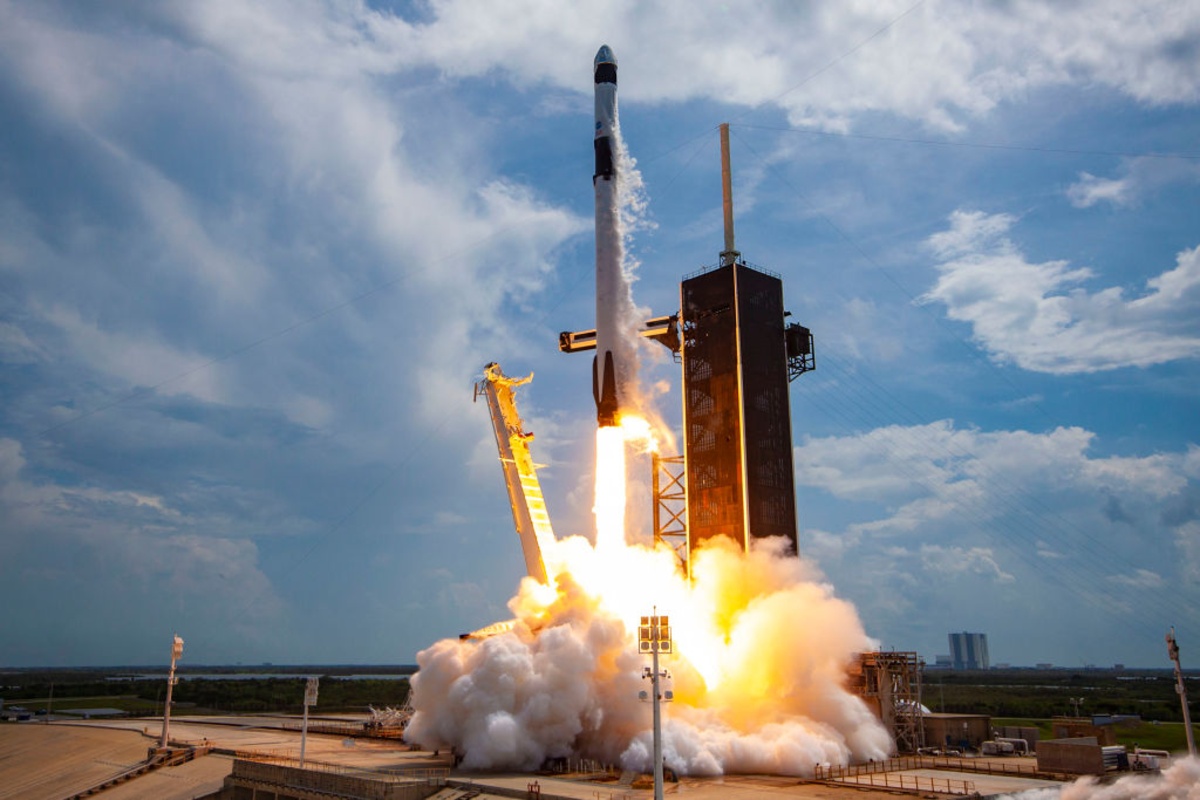
SpaceX launched a Falcon 9 with the third classified US Space Force mission in five weeks from Vandenberg. The Pentagon is investing $17B in a distributed constellation of hundreds of cheap encrypted satellites in low orbit with laser communication links to defend against anti-satellite weapons.
Falcon 9 Carries Classified Starshield Batch Tonight as Pentagon Bets $17B on Unkillable Satellites
Science

Harvard Scientists Use Tiny Sound Waves To Protect Quantum Information

Researchers at Harvard School of Engineering and Applied Sciences protected a spin qubit in diamond using mechanical vibrations—phonons—instead of microwave pulses. The 'all-mechanical coherence protection' method extended coherence time by about three times and achieved a Rabi frequency of 800 MHz. The work was published in Nature Physics.

Science

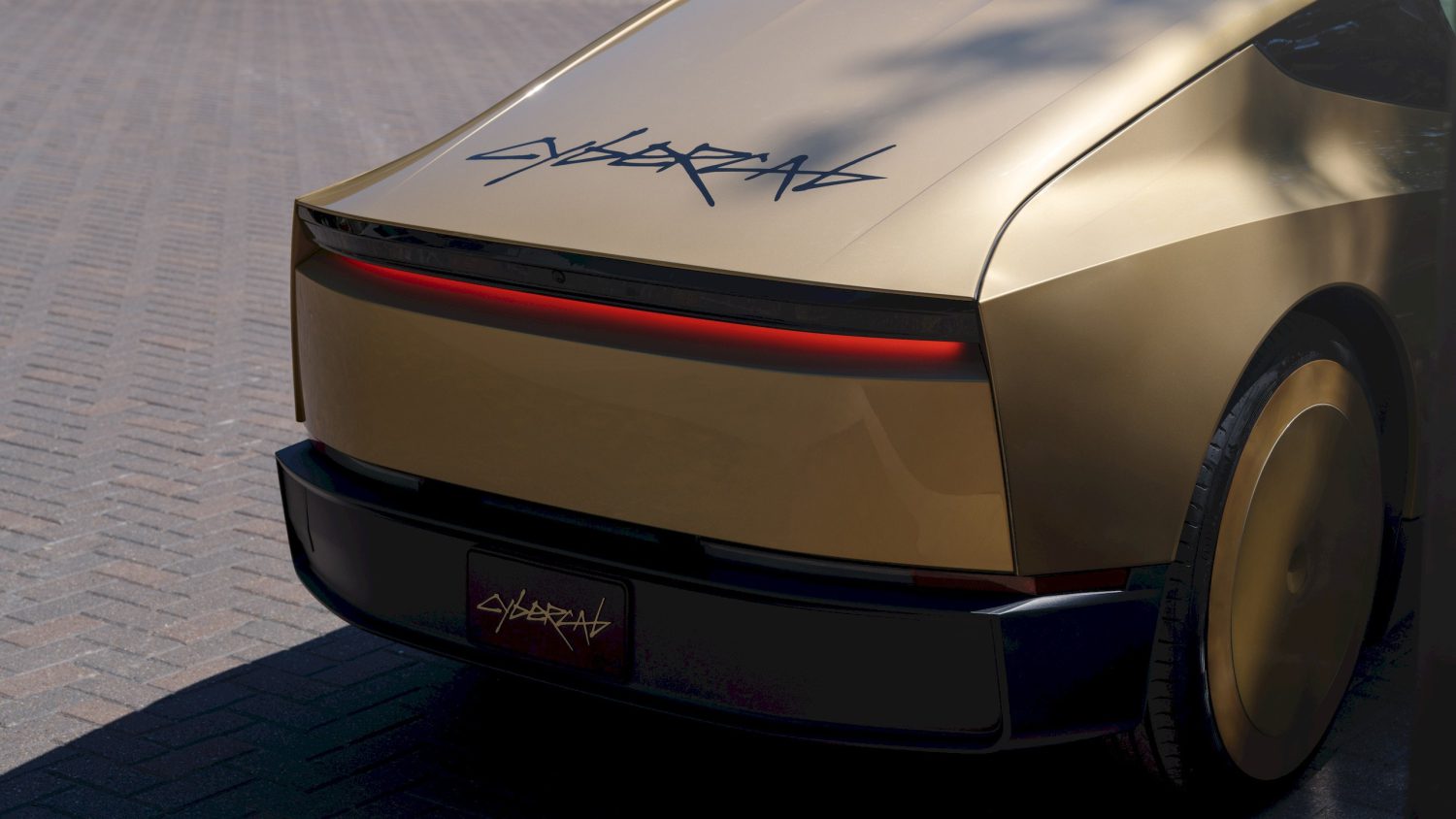
Tesla brings Cybercab to China, rules out sale and robotaxi service

Tesla displayed the Cybercab in showrooms in Beijing and Shanghai starting September 17, but stated it is only a demonstration of design and technology. Sales of the vehicle in China and launch of a driverless service are not planned: the Cybercab has no steering wheel or pedals, and Tesla lacks permits for autonomous rides in the country.

Tesla brings Cybercab to China, rules out sale and robotaxi service
Science

Mercedes CLA Is One of America's Quickest Charging EVs: Test

A State of Charge test confirmed that the Mercedes CLA 350 4Matic charges from 0 to 100% in 52–56 minutes, and from 10 to 80% in about 26 minutes. Peak power of around 350 kW is reached in under a minute, range is 385 miles at 70 mph. The model starts at $49,400.

Mercedes CLA Is One of America's Quickest Charging EVs: Test
Science

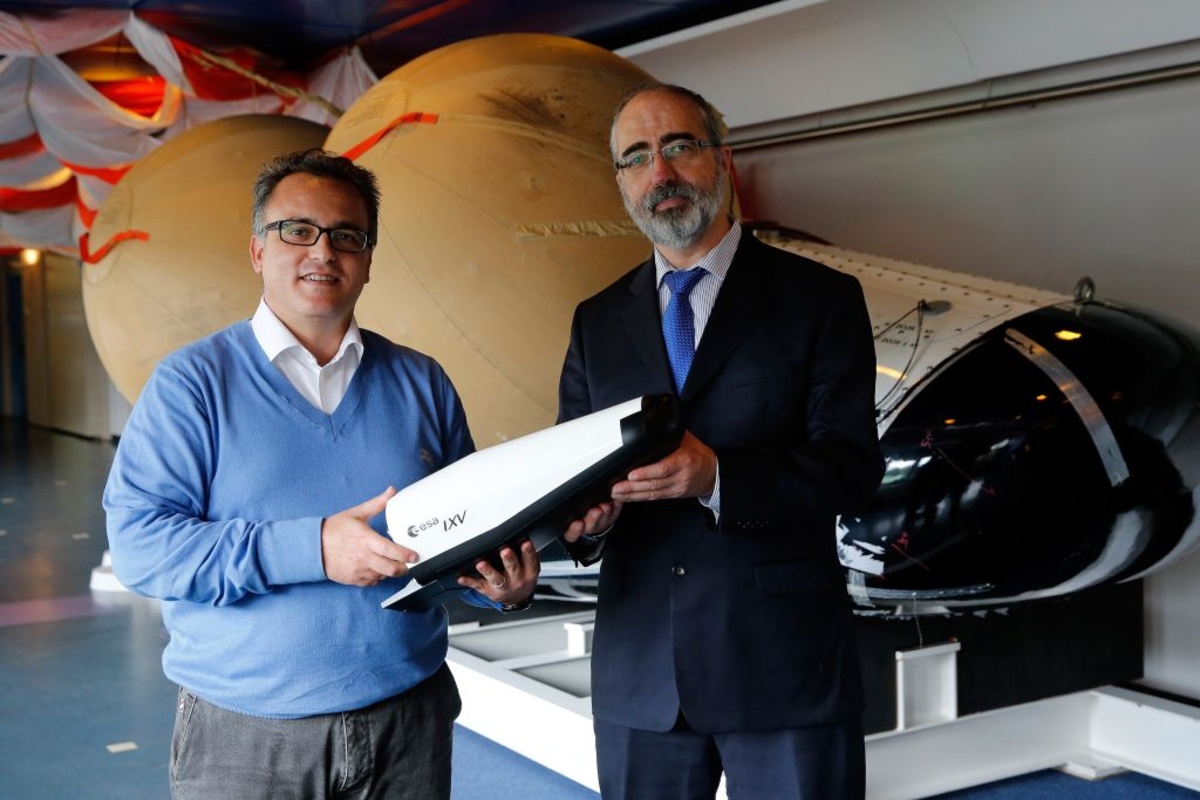
European Spaceplane VORTEX Confirmed for Crewed Flight: 2031 Hinges on Heat Shield

Dassault Aviation and OHB announced at a Paris briefing that VORTEX will become a crewed vehicle with a prototype for crew by 2031. The key condition is successful hypersonic heat shield tests in 2028. The project was supported by Macron at the September International Space Summit.

European Spaceplane VORTEX Confirmed for Crewed Flight: 2031 Hinges on Heat Shield
Science

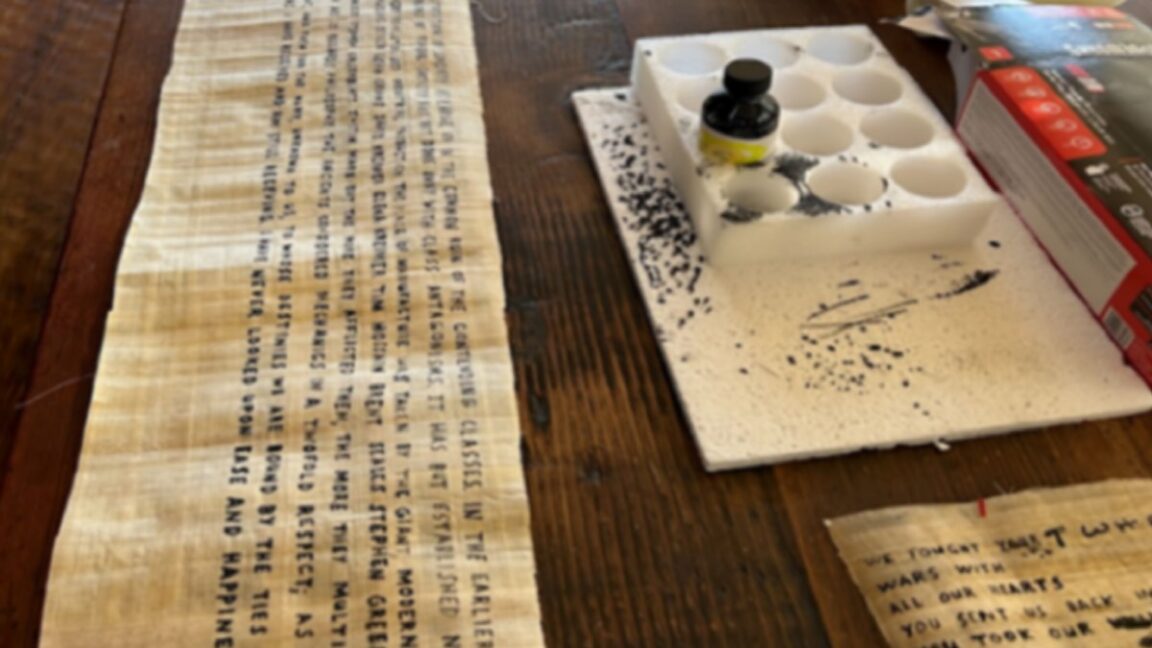
Why researchers made their own model Herculaneum scrolls

A team of researchers created modern papyrus scrolls, charred them to mimic ancient ones, and tested a method for finding scrolls with lead-based ink. This should speed up the decipherment of more than 600 scrolls from Herculaneum as part of the Vesuvius Challenge.

Why researchers made their own model Herculaneum scrolls
Science

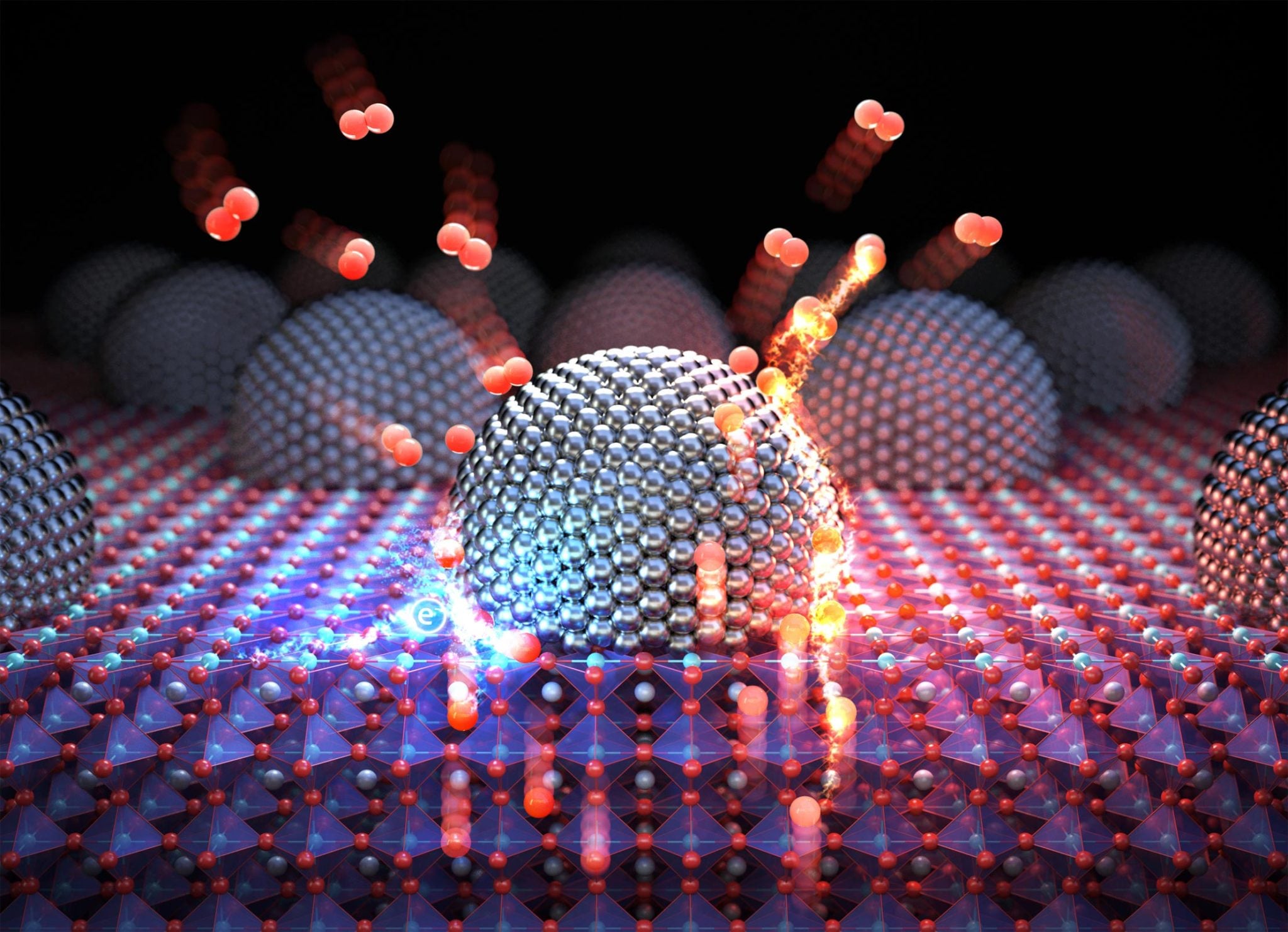
Silver Nanocatalysts Have a Surprising Double Life

Researchers from Seoul National University, KAIST, and KBSI showed that silver nanoparticles in solid oxide cells behave differently for electricity generation and hydrogen production: the reaction occurs at the particle-electrode boundary in the first case and on the particle surface in the second.

Silver Nanocatalysts Have a Surprising Double Life
Science

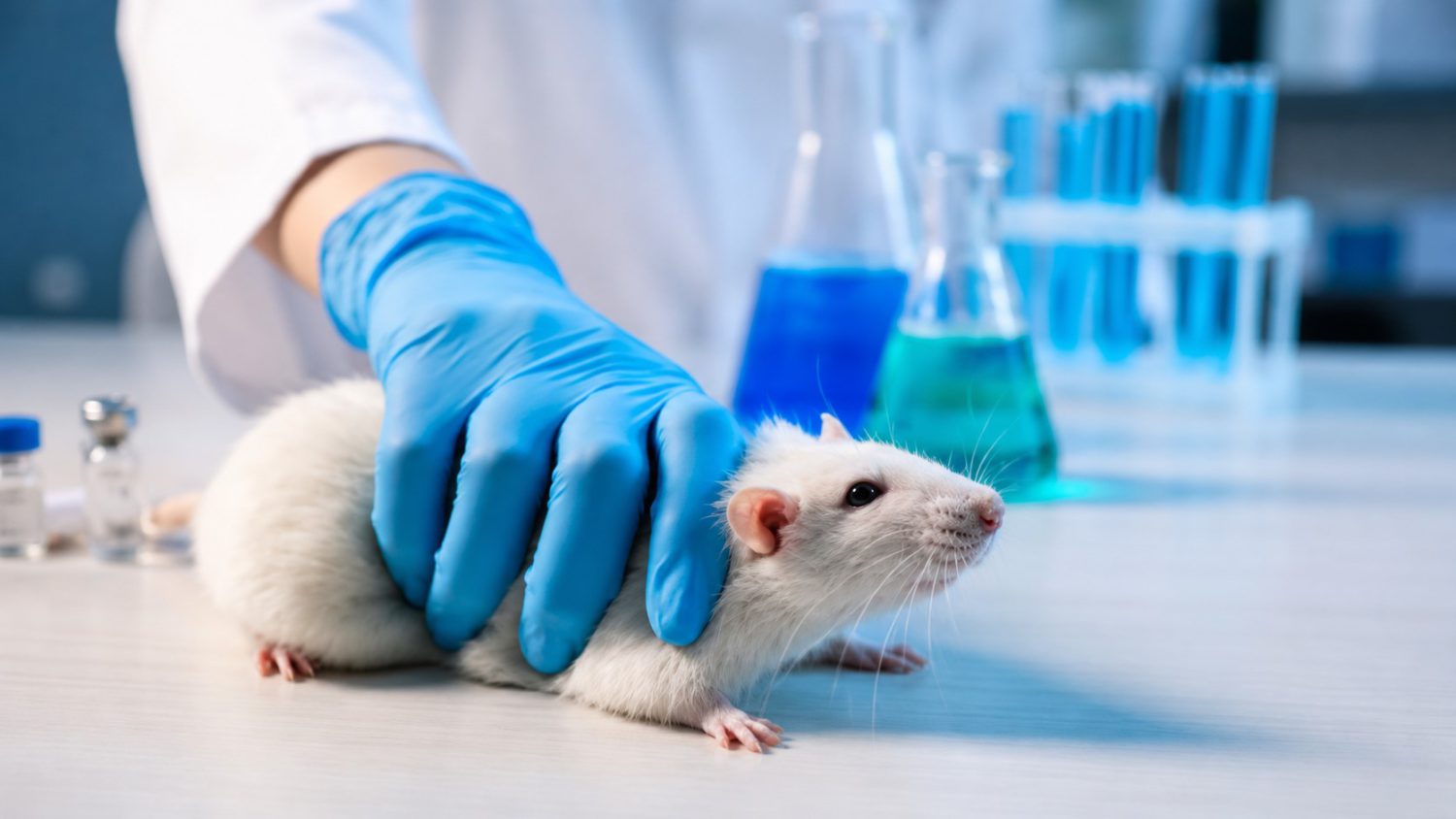
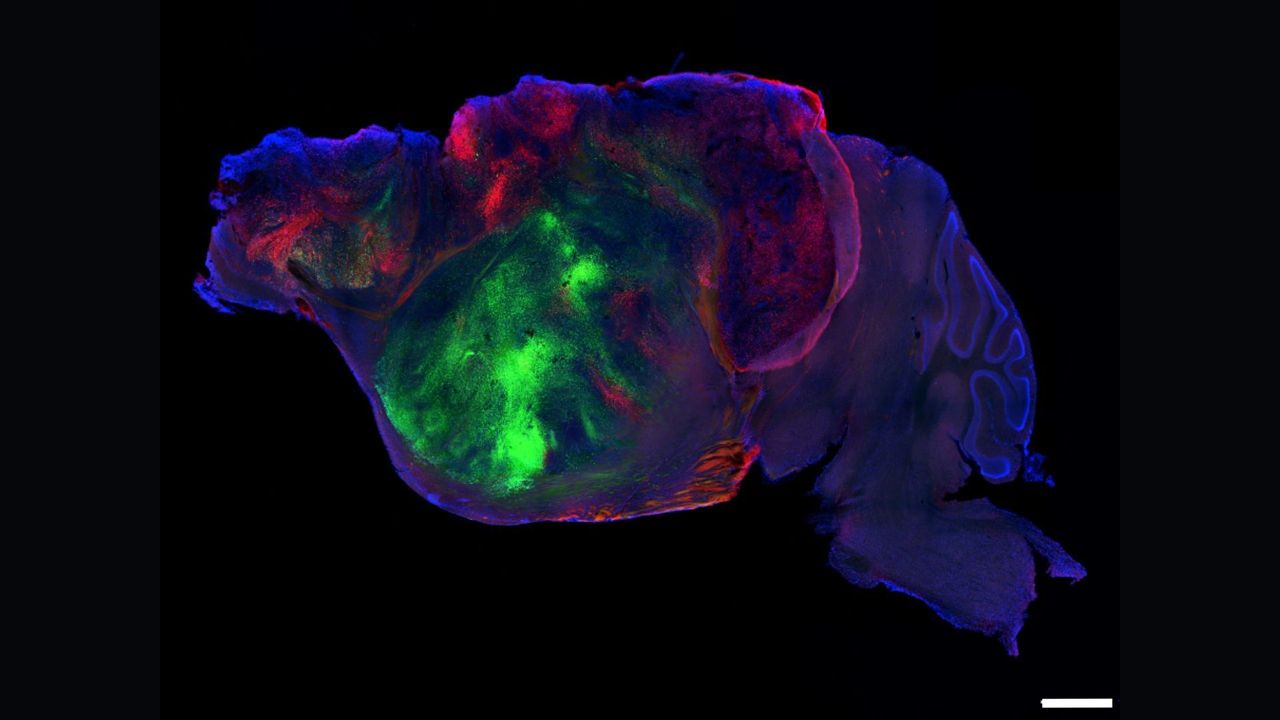
Stanford Grows Human Brain Tissue Inside Mice in Science Breakthrough

Stanford scientists created mice with about 92% of cortical space occupied by human neural tissue from organoids. The model will allow testing psychiatric drugs on living human tissue; no signs of human consciousness were found.

Stanford Grows Human Brain Tissue Inside Mice in Science Breakthrough
Science

China's 4MWh sodium-ion battery system targets 30-year grid storage life

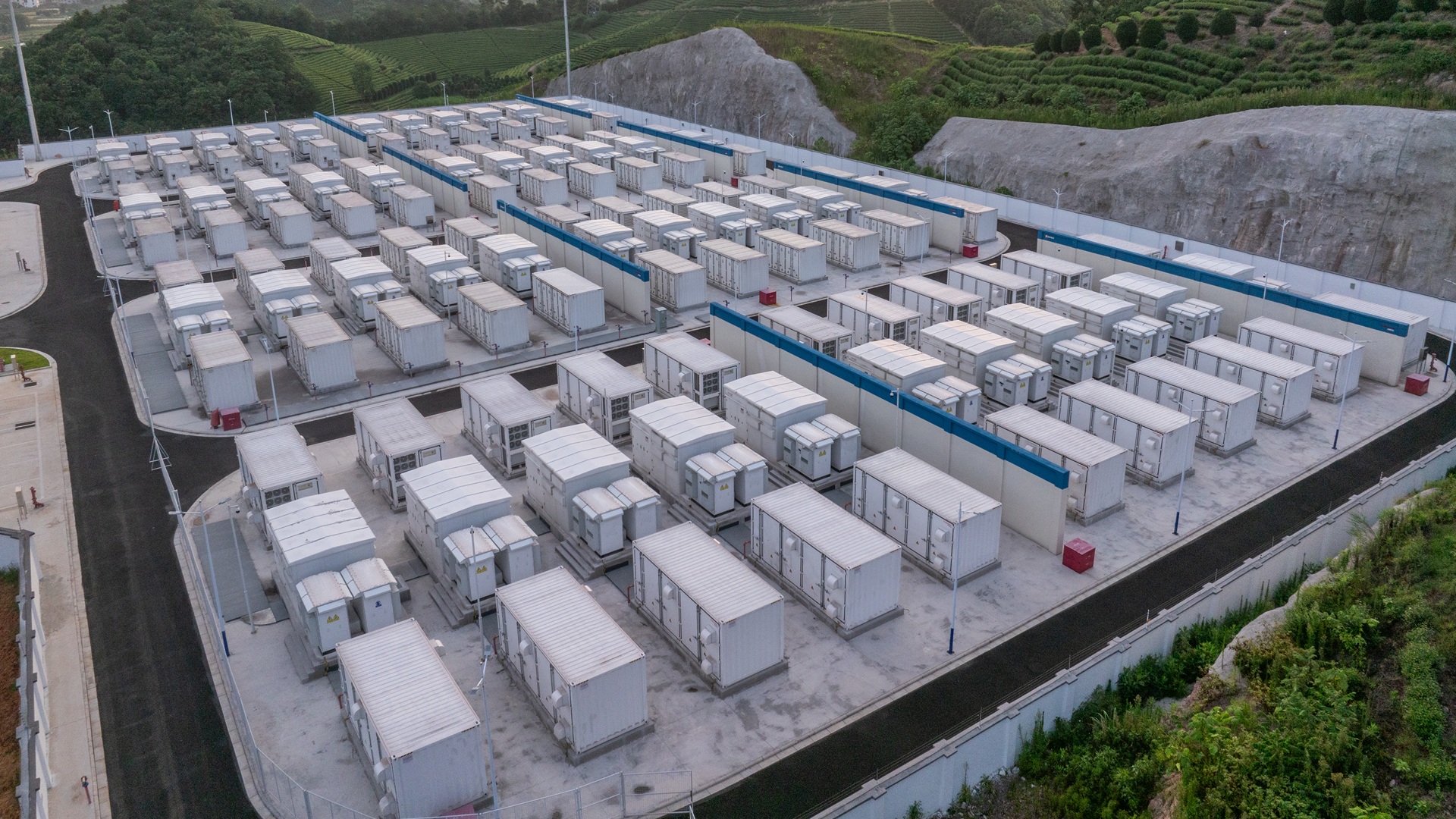
HiTHIUM unveiled the ∞Power N4.0MWh system using ∞Cell N785Ah sodium-ion cells with 20,000 cycles and a 30-year lifespan. Full production and deliveries are planned for 2027, and the system is compatible with an existing 1000 Ah lithium line.

China's 4MWh sodium-ion battery system targets 30-year grid storage life
Science

MIT researchers create brain-inspired computing platform using soft polymers

MIT researchers developed a nanoscale computing device using soft PDMS polymer that mimics neurons: a polymer layer between metal electrodes compresses under voltage and gradually recovers, creating mechanical memory. The device combines memory, sensing and logic in one component, published in Science Advances.

MIT researchers create brain-inspired computing platform using soft polymers
Science

Einstein's gravity passes new quantum test

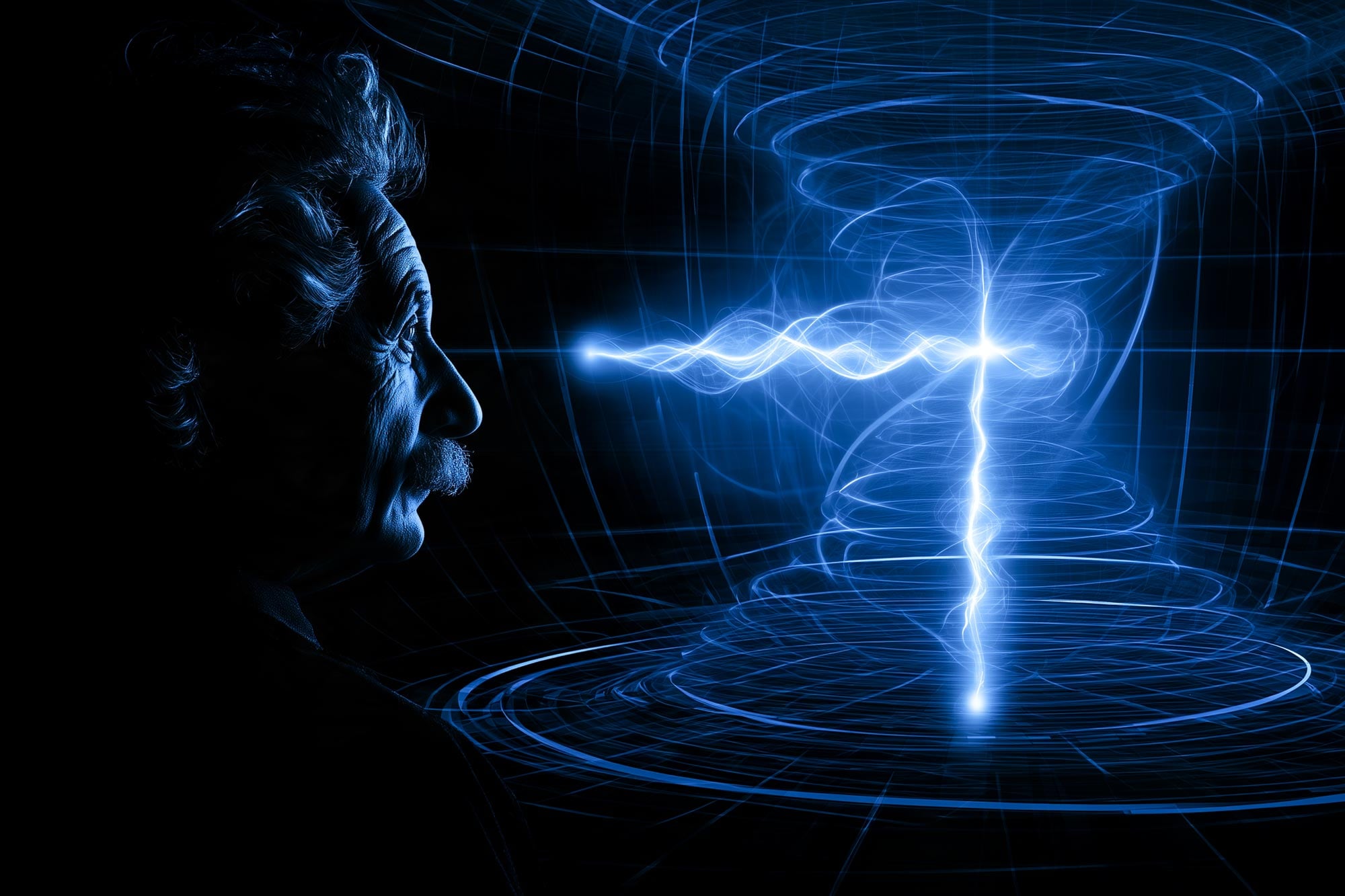
Physicists from Ben-Gurion, Ulm and Oxford universities measured the quantum phase of a freely falling rubidium atom wave and compared it with a stationary one. The result matched Einstein's equivalence principle prediction, published September 2 in Science Advances, with Roger Penrose among co-authors.

Einstein's gravity passes new quantum test
Science

Tiny polymer devices mimic neuron firing for energy-efficient edge computing

MIT researchers developed a compact computing platform using polymer devices that mimic neuron firing. The devices combine computing and memory in one energy-efficient component and target edge computing.

Tiny polymer devices mimic neuron firing for energy-efficient edge computing
Science

Method may allow reading ancient scrolls damaged by Mount Vesuvius eruption

Scientists proposed a method to read ancient scrolls damaged in the 79 AD eruption of Mount Vesuvius. A study in PLOS One showed that X-ray tomography and AI, combined with detecting lead in the ink of fragments, can recognize text.

Method may allow reading ancient scrolls damaged by Mount Vesuvius eruption
Science

NASA powers on Roman Space Telescope instruments for first time

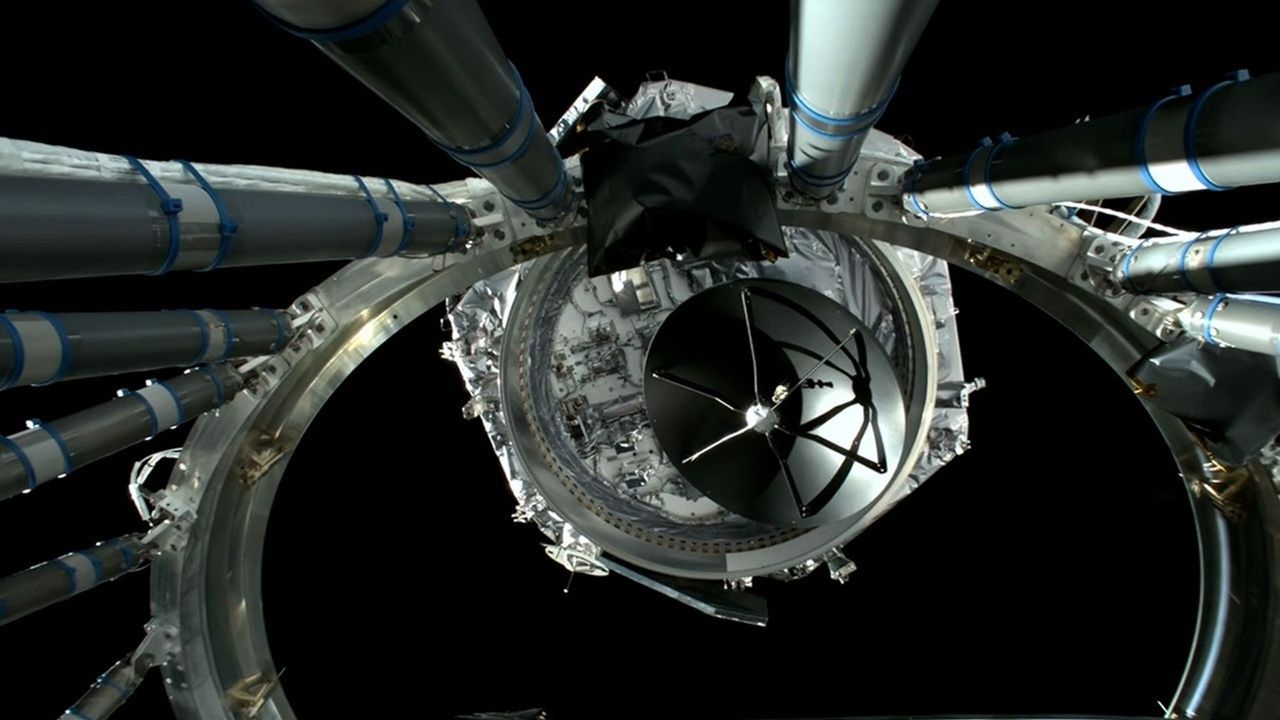
NASA has begun commissioning the Nancy Grace Roman observatory, launched August 30; the telescope is about three months from reaching L2. The 300-megapixel WFI infrared camera and coronagraph passed initial checks, calibration will take about another month, and first science images are expected in early 2027.

NASA powers on Roman Space Telescope instruments for first time
Science

Tyrannosaurus rex was warm-blooded, new study confirms

A study in Science Advances confirmed that the internal temperature of Tyrannosaurus rex was about 97 °F (36 °C), similar to modern warm-blooded humans. The method analyzing carbon and oxygen isotope bonds in tooth enamel reduced the required sample size by 90%.

Tyrannosaurus rex was warm-blooded, new study confirms
Science

Prime assembly can correct multiple mutations at once, pointing toward universal gene therapies

A study published in Nature describes the prime assembly method, which allows inserting long DNA fragments into specified positions in living cells. The approach could form the basis of universal genetic therapies applicable to many patients.

Prime assembly can correct multiple mutations at once, pointing toward universal gene therapies
Science

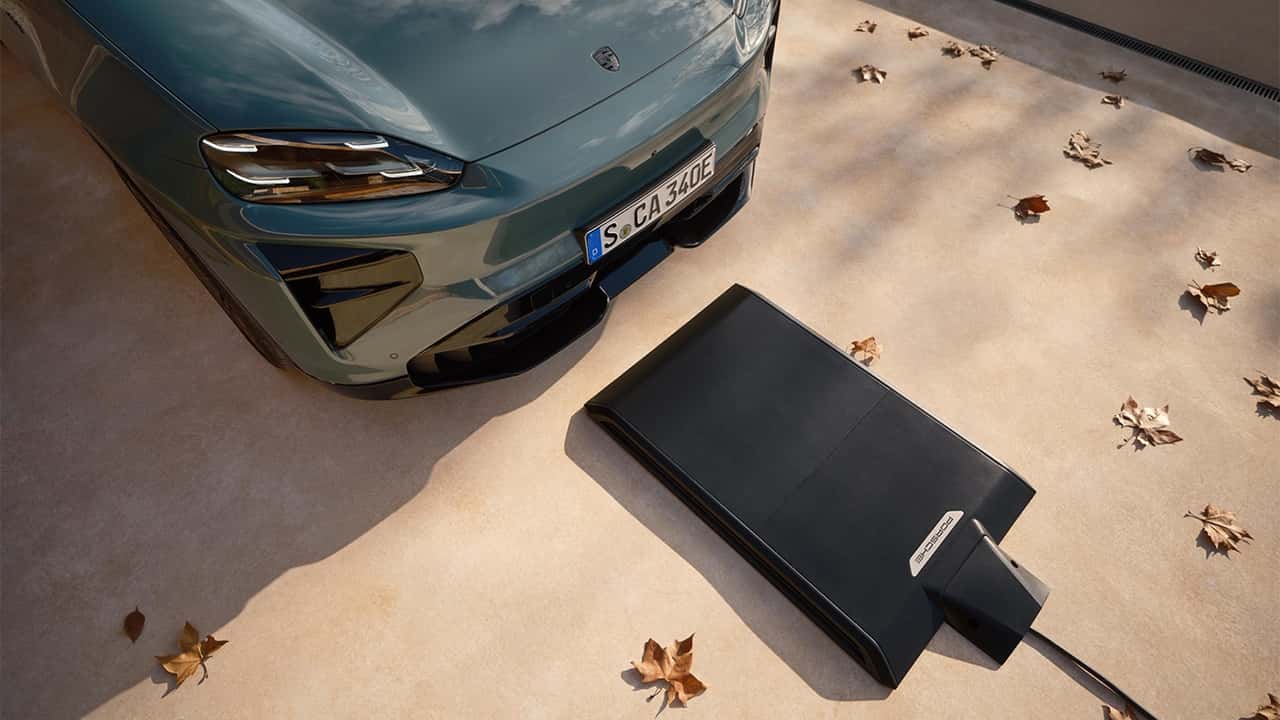
Porsche Cayenne Electric can now charge wirelessly

Porsche began selling a wireless charging pad for the Cayenne Electric in Germany and other European countries. The system delivers up to 11 kW at 90% efficiency and can fully charge the 113 kWh battery overnight. US sales start in 2027.

Porsche Cayenne Electric can now charge wirelessly
September 16
Science

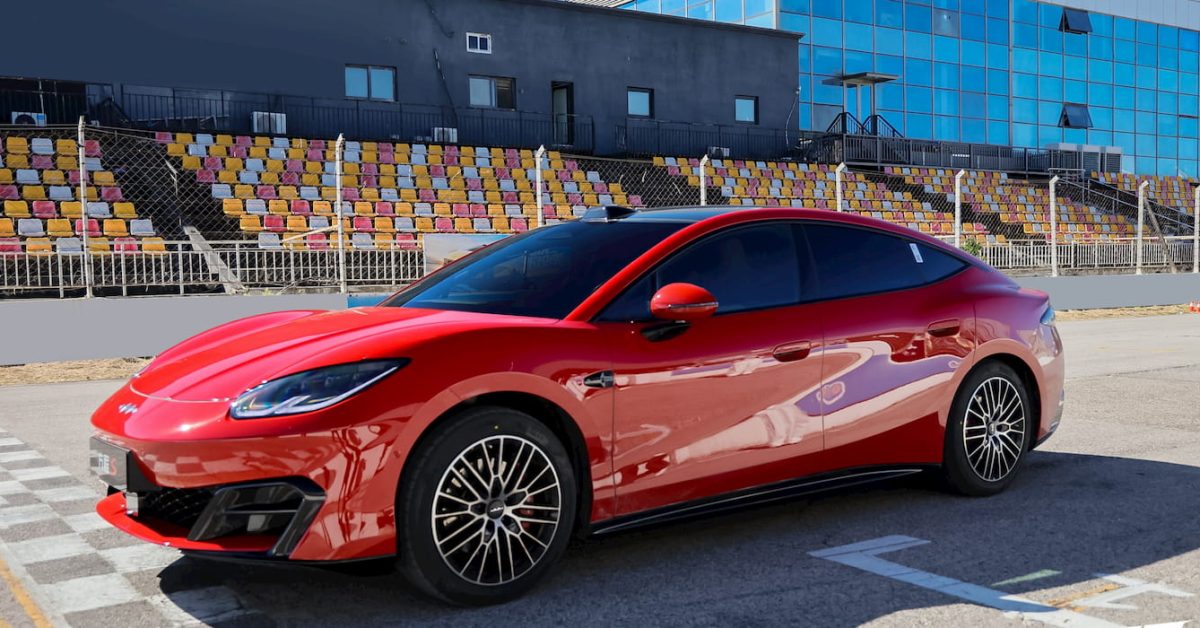
BYD launches Formula S EV under $29,000, undercutting Tesla Model 3

BYD launched the Formula S series under its Fang Cheng Bao brand, with five models priced from 189,900 to 239,900 yuan ($28,000–35,000). The RWD sedan offers up to 750 km CLTC range and charges 10–70% in 5 minutes with second-generation Blade Battery and Flash Charging.

BYD launches Formula S EV under $29,000, undercutting Tesla Model 3
Science

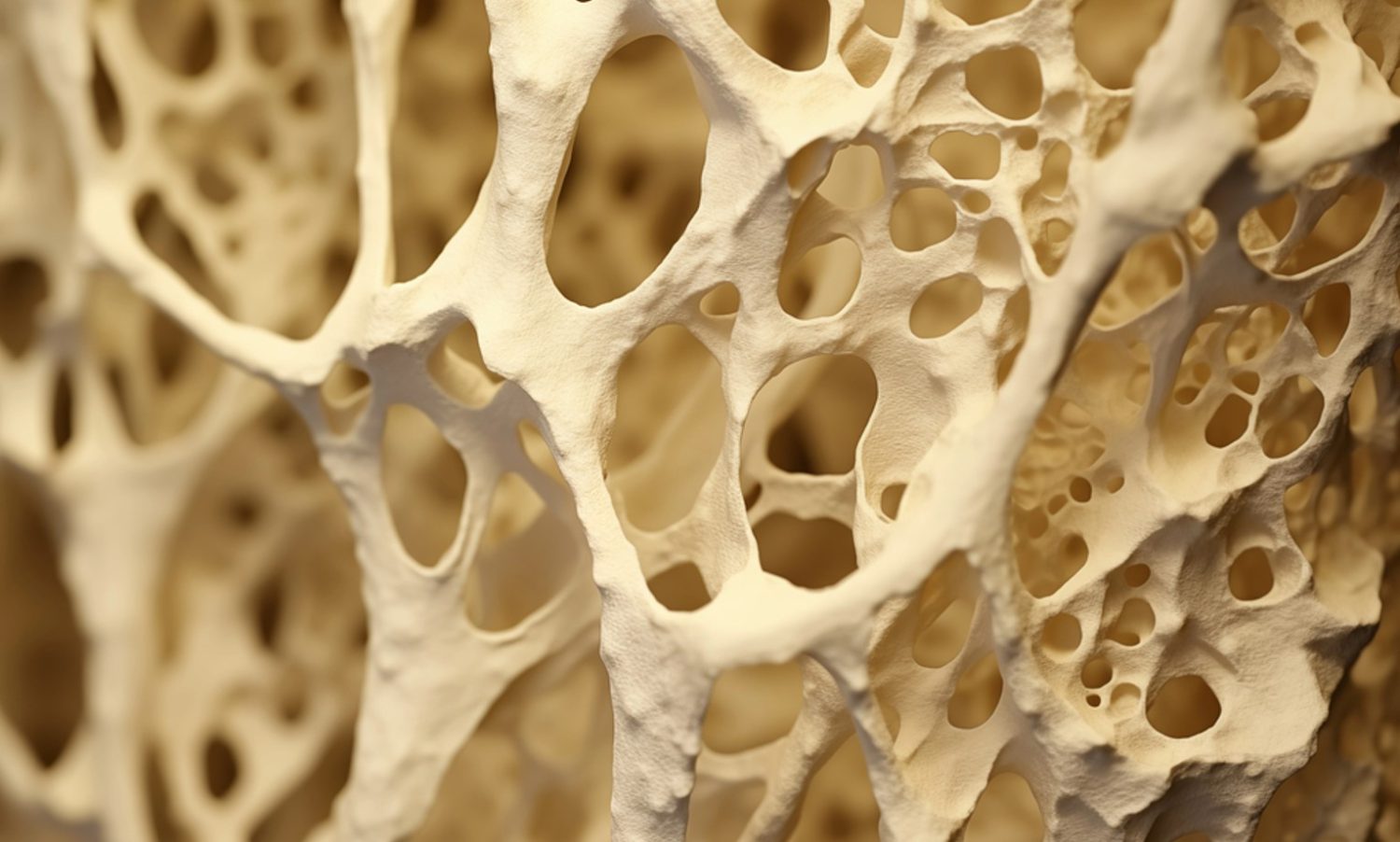
Living medication restores bone strength in 10 people with severe osteoporosis

University of Murcia reported the first human trial of mesenchymal stem cells with glycocalyx editing for osteoporosis. In 10 women aged 51–72, fracture rate fell from 8 to 0.5 per year over two years after one infusion; 7 of 10 showed bone tissue growth.

Living medication restores bone strength in 10 people with severe osteoporosis
Science

US nuclear reactor designer advances 6-gigawatt SMR fleet across the Atlantic

US-based X-energy, with UK's Centrica, has been accepted into the UK's Generic Design Assessment for the Xe-100 small modular reactor. Each unit provides 80 MW of electricity or 200 MW of heat, and the Hartlepool fleet is planned for 6 GW. The review will take about three years.

US nuclear reactor designer advances 6-gigawatt SMR fleet across the Atlantic
Science

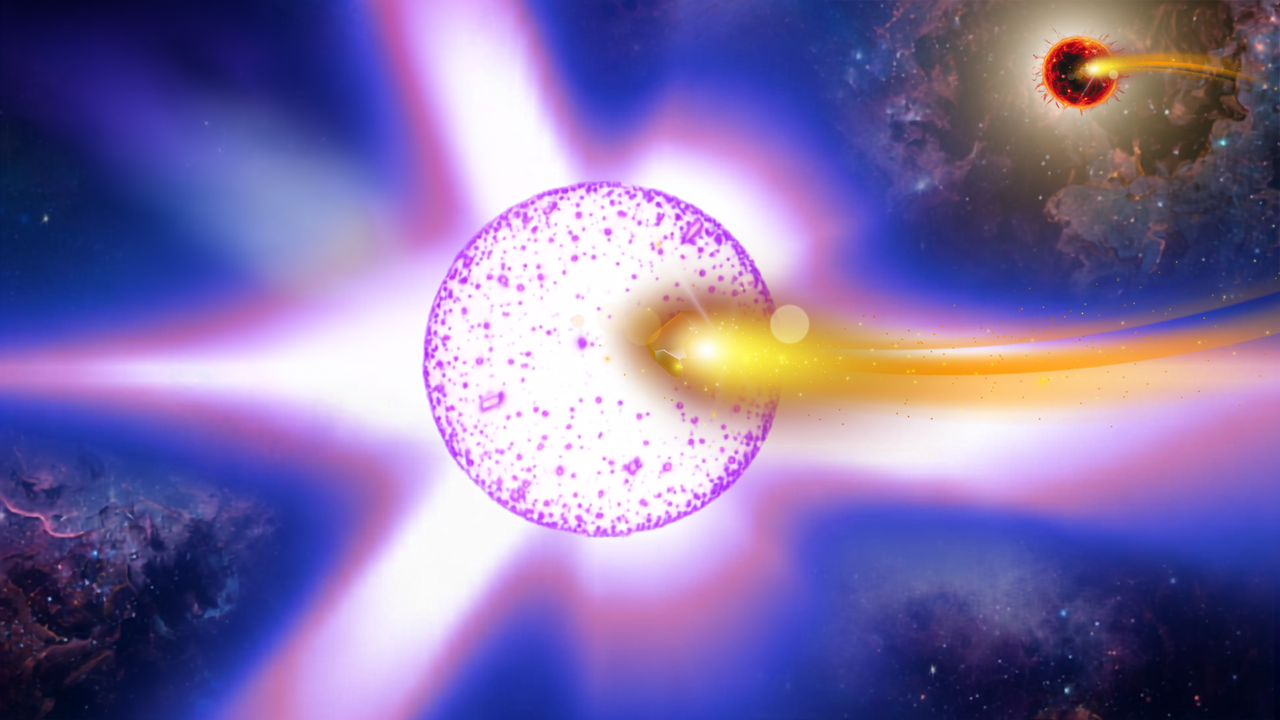
Vampire white dwarfs can form the universe's most extreme dead stars, scientists find

A team at ETH Zurich led by Laurenz Thümmler described the mechanism of accretion-induced collapse: a white dwarf made of oxygen, neon, and magnesium pulling matter from a companion star collapses into a neutron star. Conditions must be 'just right' — accretion rate in a narrow range, or nova flashes or stellar wind will disrupt the process.

Vampire white dwarfs can form the universe's most extreme dead stars, scientists find
Science

Fortell raises $163M to challenge hearing aid monopoly with AI

Fortell, founded by Matthew de Jonge, raised $163M from Founders Fund, Thrive Capital, and Valor Equity Partners. The company develops AI hearing aids that identify important sounds in real time and suppress others instead of amplifying everything. The goal is to break the monopoly of five companies that control 97% of the market.

Fortell raises $163M to challenge hearing aid monopoly with AI
Science

Space-Tug Maker Impulse's Fundraising Round Tops $800 Million

Impulse Space, a startup developing space transportation technologies, raised an additional $308 million. The total for its latest round reached $808 million.

Science

Tesla Cybercab Turns 10-Minute Austin Trips Into 70-Minute Ordeals

A Tesla Cybercab ride from 99 Ranch Market to The Domain in Austin took 70 minutes instead of 10 and cost about $20. The cause was routing restrictions: the robotaxi avoids highways and railroad crossings amid an NHTSA investigation into FSD.

Tesla Cybercab Turns 10-Minute Austin Trips Into 70-Minute Ordeals
Science

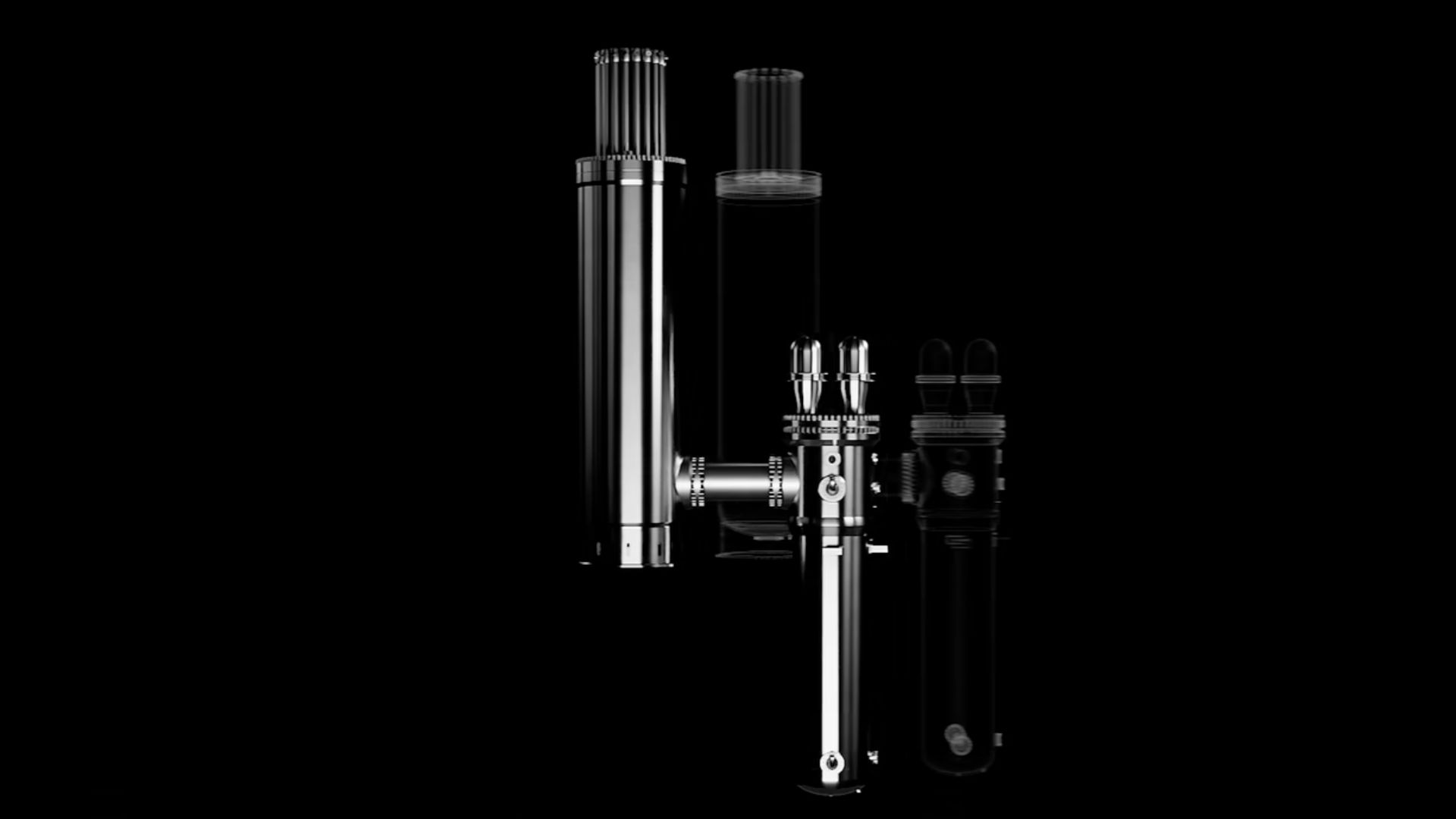
Microsoft helps Blykalla cut lead-cooled reactor licensing prep from years to months

Blykalla deployed a Microsoft-built computing platform to automate licensing documentation for its SEALER lead-cooled reactors. The system cuts preparation time from years to months and reduces time and resource costs by 90% without lowering safety requirements. The platform is already used in Sweden and the US.

Microsoft helps Blykalla cut lead-cooled reactor licensing prep from years to months
Science

DNA computer performs 100-bit calculations using heat, water and salt

Researchers at Meunaut University created a DNA computer that performs 100-bit calculations using heat, water and salt. It is described as one of the most complex and fastest molecular computers to date.

DNA computer performs 100-bit calculations using heat, water and salt
Science

Scientists shrank mice brains and replaced missing tissue with human organoids

Stanford researchers created genetically modified mice that develop only 2% of the brain cortex and transplanted human cerebral organoids into them. In 90% of cases the tissue engrafts and within several months occupies most of the free volume. The work is published in Nature.

Scientists shrank mice brains and replaced missing tissue with human organoids
Science

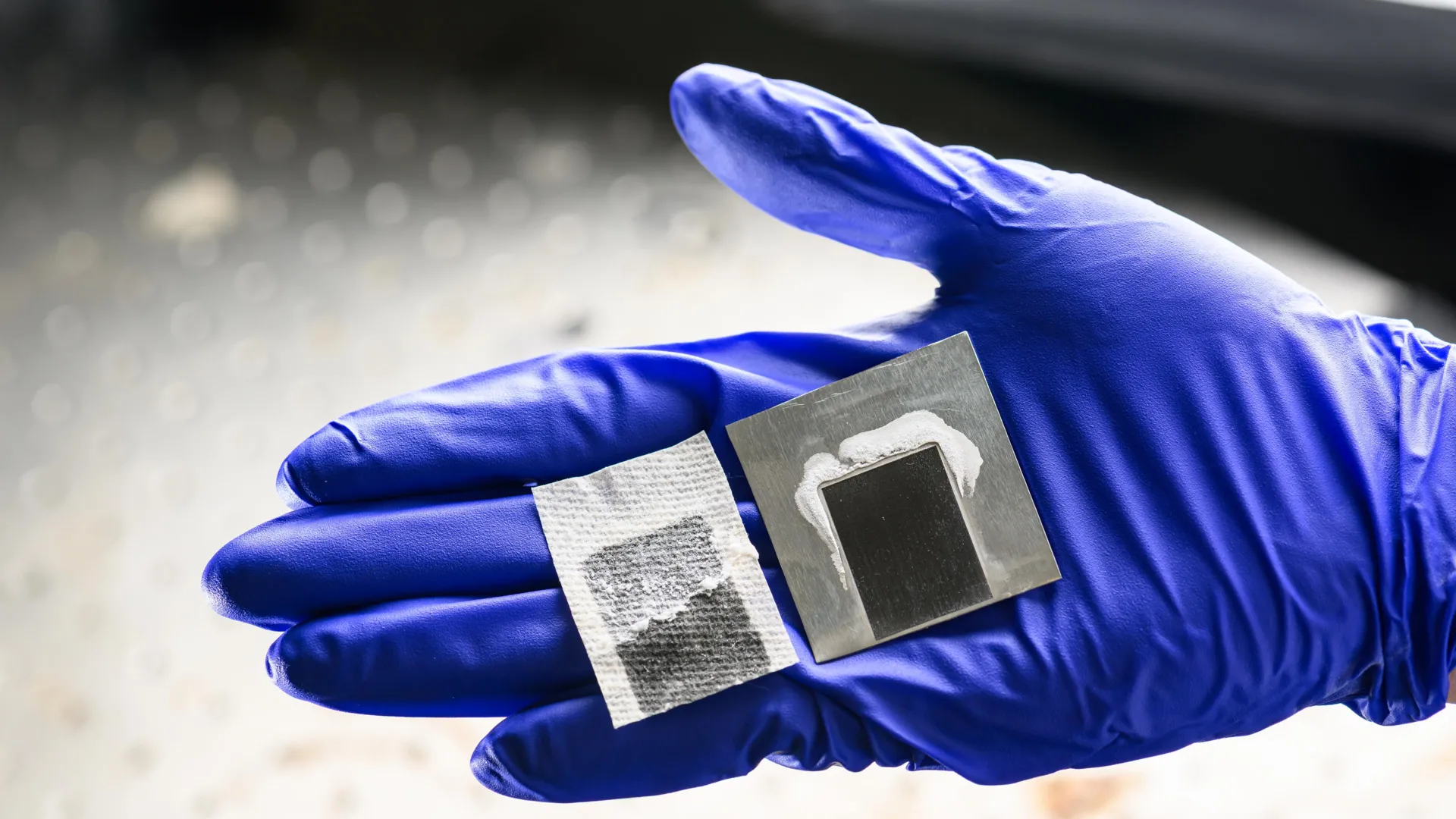
Scientists turn seawater into fresh water without harmful brine

Researchers at the University of Rochester created a solar desalination system based on black metal treated with a femtosecond laser. It evaporates water without liquid brine, extracts nearly 100% of salts in solid form, and allows lithium extraction. Tests were conducted on real water from the Pacific, Atlantic, and Indian Oceans.

Scientists turn seawater into fresh water without harmful brine
Science

Woman with motor neuron disease calls grandchildren using brain implant

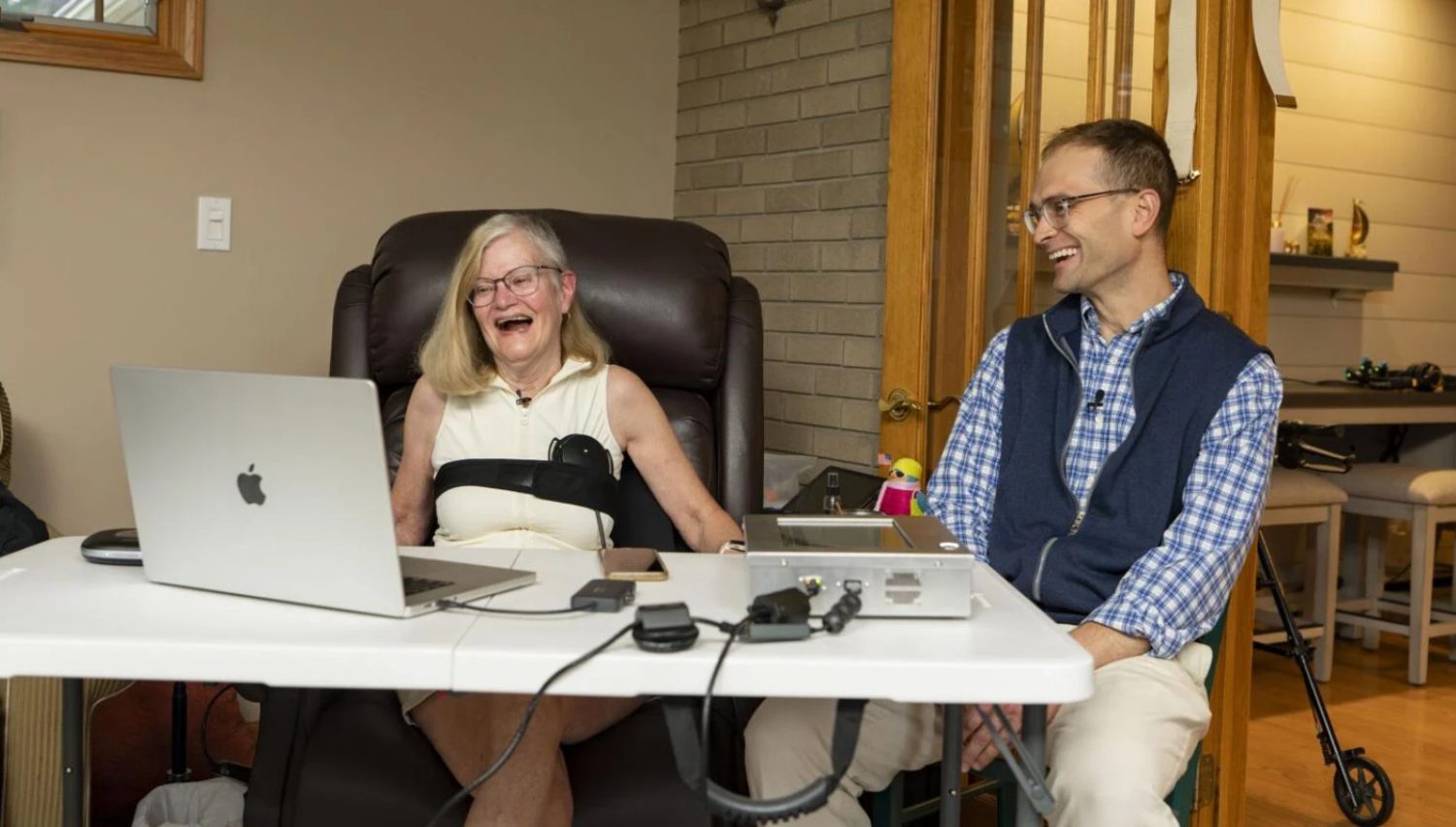
Paradromics reported that a woman from Michigan with motor neuron disease made a live call to her grandchildren using only neural signals. The Connexus implant decoded spontaneous speech without errors in the FDA-approved Connect-One study.

Woman with motor neuron disease calls grandchildren using brain implant
Science

ETH Zurich plans Swiss Quantum Innovation Hub with IBM, Lockheed Martin

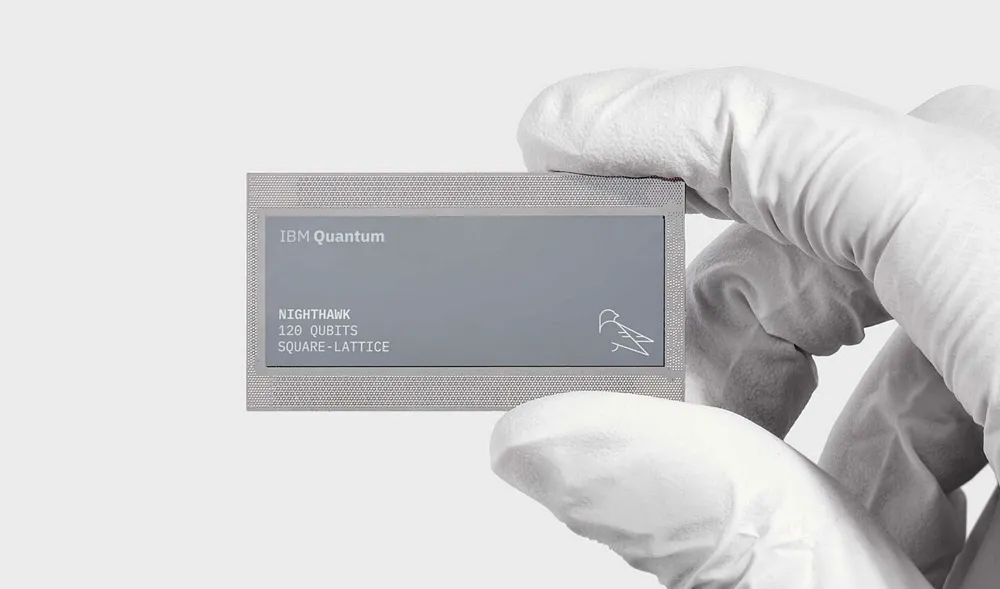
ETH Zurich, with support from IBM and Lockheed Martin, is creating the Swiss Quantum Innovation Hub. It will host Switzerland's first IBM Quantum System Two with a 120-qubit Nighthawk processor at the CSCS supercomputing center in Lugano. Lockheed Martin projects will focus on quantum sensors and additive manufacturing for aerospace and defense.

ETH Zurich plans Swiss Quantum Innovation Hub with IBM, Lockheed Martin