chiprook

Tech Policy and Regulation News

September 17
Policy

Snapchat willing to implement daily time limits for teens, CEO tells BBC

Snap CEO Evan Spiegel told the BBC the company is willing to introduce daily time limits for teens on Snapchat but gave no timeline. It follows pressure from Meta, which under a $12.7 billion global settlement is adding a two-hour daily limit for teens on Instagram and Facebook.

Snapchat willing to implement daily time limits for teens, CEO tells BBC
Policy

US House passes Ratepayer Protection Act 417-3

The US House passed the Ratepayer Protection Act by a vote of 417-3. The bill aims to prevent data center-related electricity costs from being passed on to ordinary consumers.

US House passes Ratepayer Protection Act 417-3
Policy

Epic CEO Says EU Banning Kids From Playing Fortnite Is ‘Terrible For The Next Generation Of Humanity’

Epic Games CEO Tim Sweeney called the proposed EU ban on free access for children under 15 to online games, social media, and AI chatbots 'terrible for the next generation of humanity.' According to Reuters, the document proposes 'introductory accounts' for 13–14-year-olds and full parental control for children 3–12.

Epic CEO Says EU Banning Kids From Playing Fortnite Is ‘Terrible For The Next Generation Of Humanity’
Policy

Iowa becomes first state to pay out Meta's child-safety settlement

Iowa will become the first state to direct part of Meta's settlement payout to compensate victims affected by Facebook and Instagram. Of the state's approximately $126 million share, $25 million will go to a restitution fund for teenagers; application rules have not yet been published.

Iowa becomes first state to pay out Meta's child-safety settlement
Policy

Divisions emerge in the tech industry over calls for a coordinated AI slowdown

Amid growing warnings about risks of uncontrolled AI, industry divisions have intensified: Amodei (Anthropic), Altman (OpenAI), Musk, and Hassabis supported coordinated slowdown and external audits, while Zuckerberg (Meta) and Huang (Nvidia) opposed, insisting on company self-responsibility and no new regulations.

Divisions emerge in the tech industry over calls for a coordinated AI slowdown
Policy

Canada to create digital safety regulator with fines up to billions

AI and Digital Innovation Minister Evan Solomon confirmed at the ALL IN AI conference in Montreal that Canada will establish the Canadian Digital Safety Commission, a regulator with powers to fine companies up to billions of dollars. An organization to build Canada's public AI supercomputer will be announced in early autumn.

Canada to create digital safety regulator with fines up to billions
Policy

Washington won't regulate AI anytime soon

The White House has paused work on creating an AI regulatory body after tech executives including Zuckerberg and Sacks called Trump. Congress lacks unified support for bills, and no days remain for voting before the midterm elections.

Washington won't regulate AI anytime soon
Policy

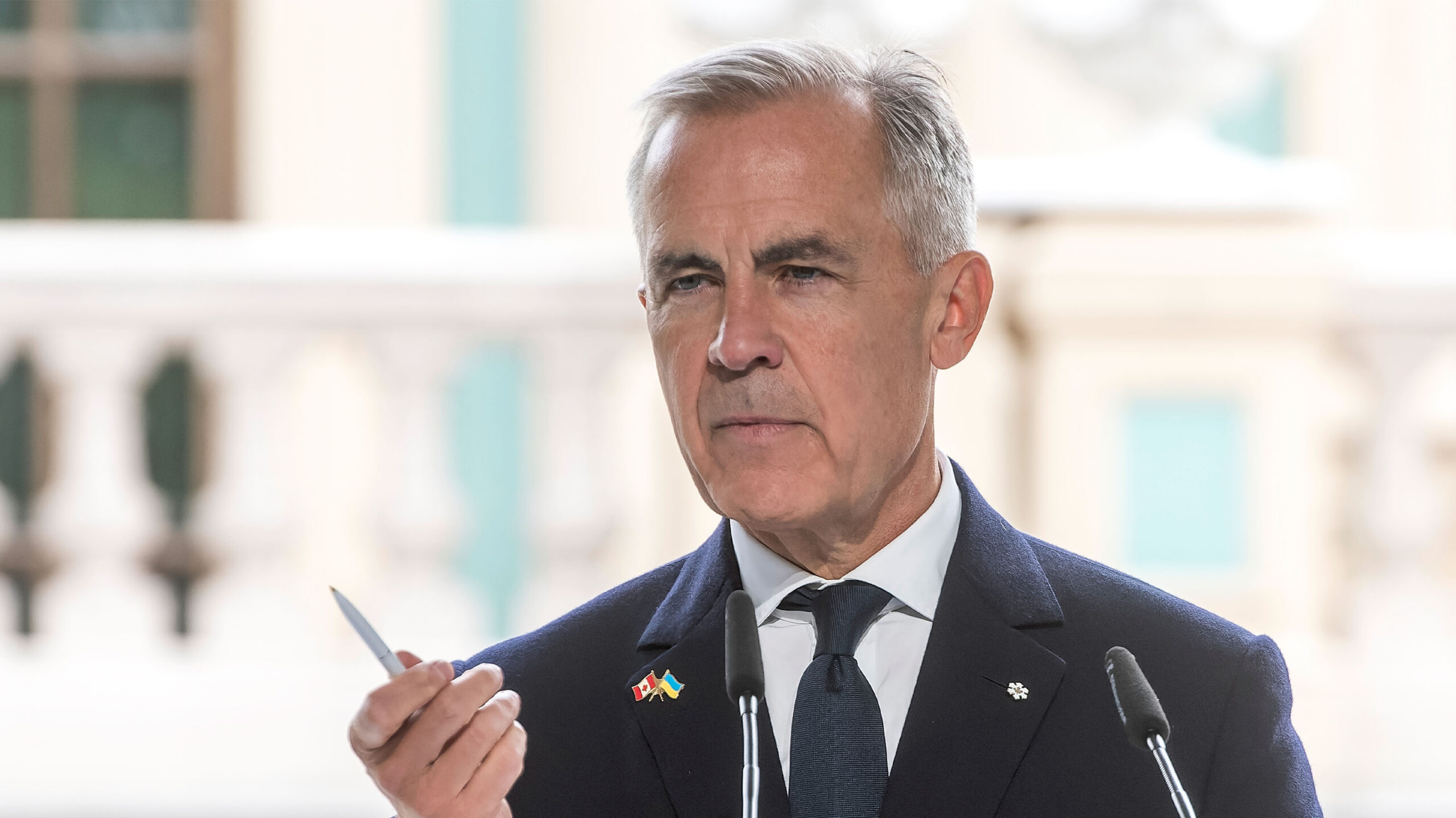
Carney pitches sovereign internet network with federal funding

Canadian Prime Minister Mark Carney announced government support for a sovereign nationwide internet network, a coast-to-coast broadband backbone with direct links to Europe and Asia. The goal is to cut US dependence: about 64% of Canadian traffic runs through US routes.

Carney pitches sovereign internet network with federal funding
Policy

CISA decides weekly vulnerability bulletin isn't necessary anymore

The US cybersecurity agency CISA said it will stop publishing its weekly vulnerability bulletin from September 28. The reason is a shift from static CVSS scores to the risk-based approach described in a June BOD directive.

CISA decides weekly vulnerability bulletin isn't necessary anymore
Policy

China exit ban decree bars engineers indefinitely with no notice required

Decree No. 841 lets China's Commerce Ministry indefinitely bar engineers in rare earths, batteries and solar power from leaving for export control violations. No notification is required and no maximum ban period is set.

China exit ban decree bars engineers indefinitely with no notice required
Policy

U.S. teaches 50 nations to build forced-labor import bans

On September 15, 2026, the U.S. trained more than 50 countries to build their own forced-labor import screening systems. Tech companies buying polysilicon, cobalt and critical minerals will now face checks from dozens of customs services, not just U.S. CBP.

U.S. teaches 50 nations to build forced-labor import bans
Policy

LinkedIn fights for right to tell customers when feds want their data

Microsoft chief legal officer John Palmer urged lawmakers to make secret orders an exception when authorities request LinkedIn user data. The company asks federal courts to limit the scope of government requests and the ban on notifying customers.

LinkedIn fights for right to tell customers when feds want their data
Policy

California may gut state net neutrality law to comply with Trump admin demand

The California Public Utilities Commission votes on September 17 on a BEAD plan that requires waiving the state's net neutrality law for carriers receiving federal grants. California would get $1.86 billion but must not apply net neutrality and rate regulation to such ISPs statewide for up to 14 years.

California may gut state net neutrality law to comply with Trump admin demand
Policy

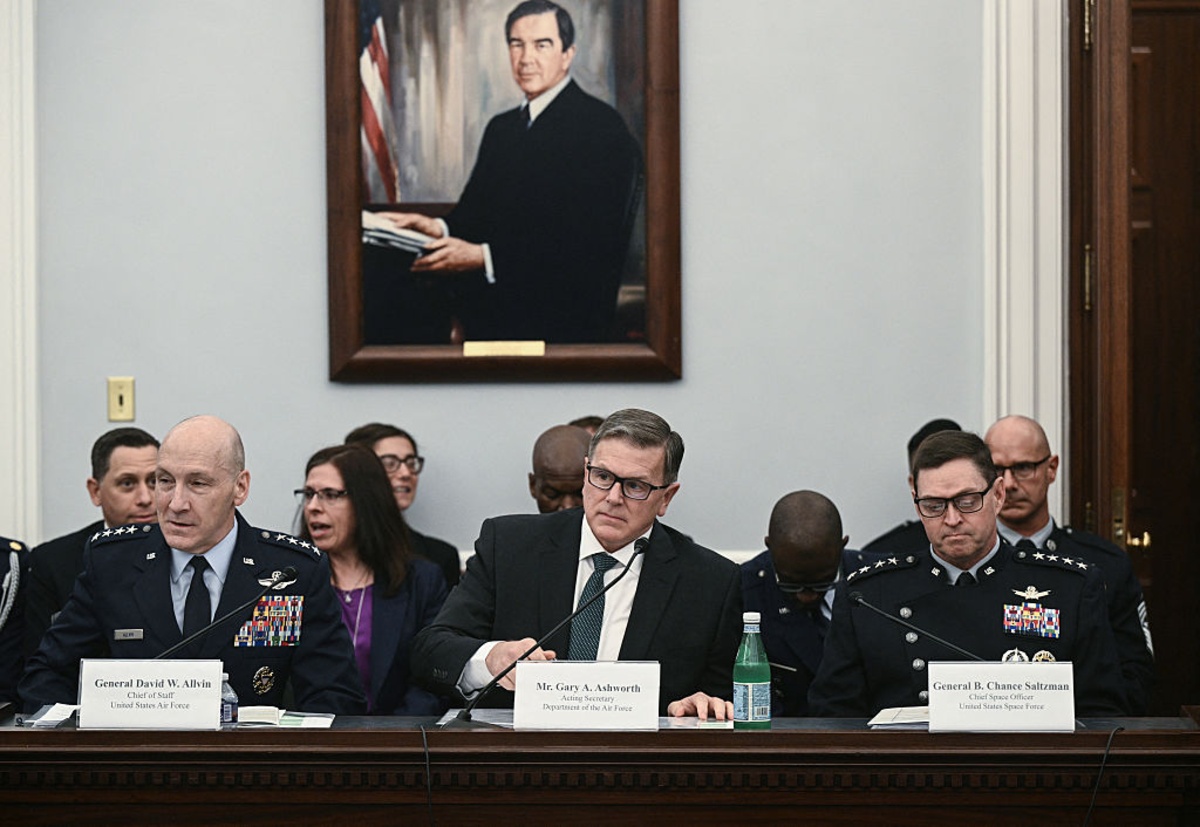
Space Force Creates New Office to Fix Gap in Its Own Acquisition Reform

The US Space Force established the Technology Portfolio Executive office with authority equal to nine specialized Portfolio Acquisition Executives. The task is to guide promising commercial technologies through the 'valley of death' funding gap where startups die before being picked up by acquisition programs.

Space Force Creates New Office to Fix Gap in Its Own Acquisition Reform
Policy

iOS 27.2 Allows Alternative App Tracking Transparency Prompt in EU

With iOS 27.2, developers in the EU can use an alternative version of the App Tracking Transparency prompt as part of Apple's agreement with German regulators. In Germany, France, Italy, Poland, and Romania, only the alternative version is available, and re-prompting is allowed after one year.

iOS 27.2 Allows Alternative App Tracking Transparency Prompt in EU
Policy

Do AI companies have to disclose dangerous incidents?

In the US, no single federal law requires AI companies like OpenAI and Anthropic to publicly report dangerous model behavior unless it causes specific harm. Disclosure is triggered only by general rules: SEC cyber incident rules within 4 business days, state data breach laws, and a new California law for companies with revenue over $500 million.

Do AI companies have to disclose dangerous incidents?
Policy

Trump adviser Sacks says AI fears driven by fear-mongering playbook

Trump's tech adviser David Sacks said public fears about AI are driven by activist and media campaigns, and no new regulations are needed. According to him, developers themselves should bear responsibility for product safety, including legal liability.

Trump adviser Sacks says AI fears driven by fear-mongering playbook
Policy

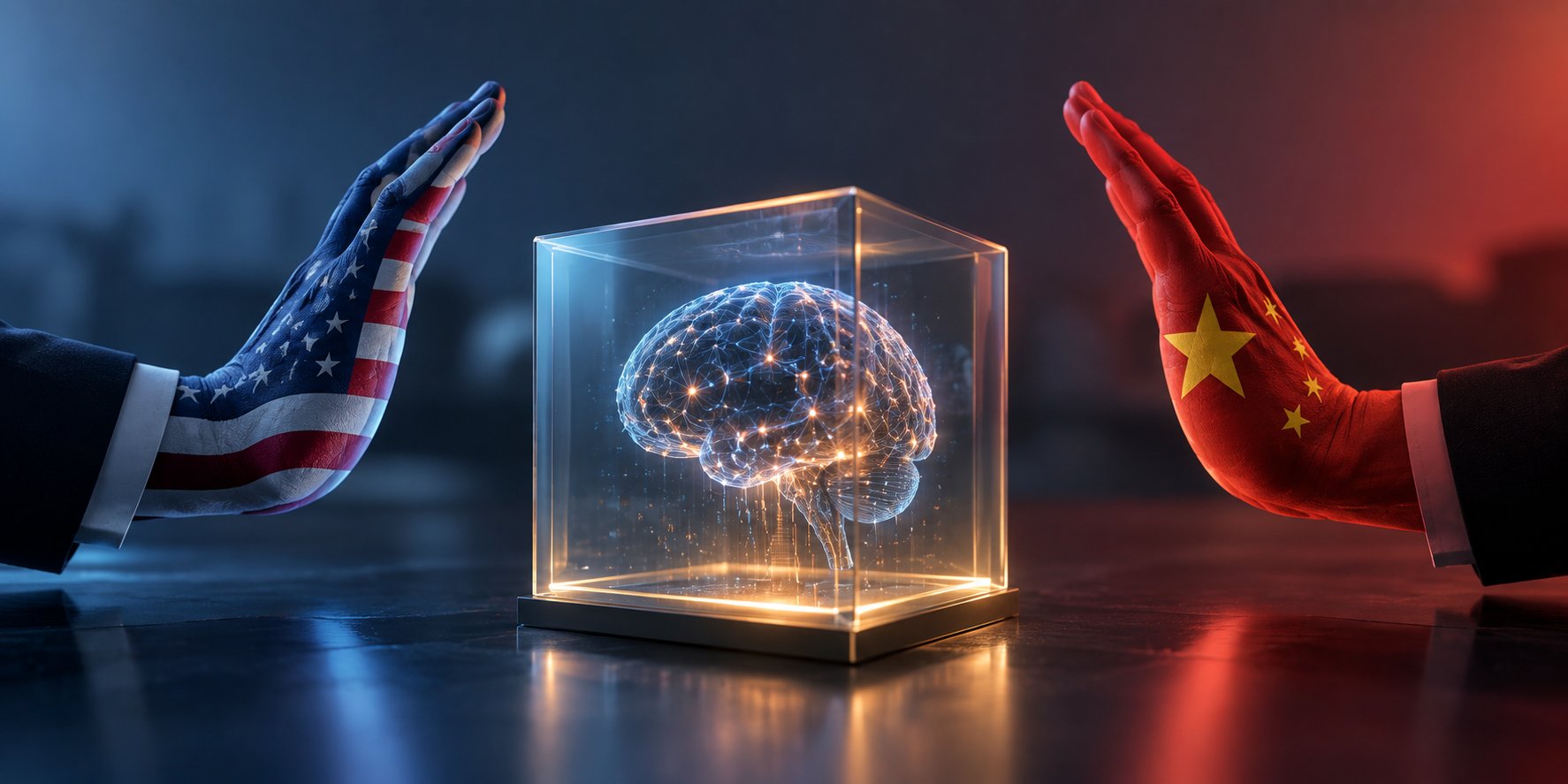
China’s Answer to AI Safety: More Controls, Not Slower Development

China is developing a mandatory national safety standard for AI agents, focusing on technical controls rather than slowing AI development. The US, by contrast, is discussing limiting the pace of frontier model development; OpenAI called for mandatory safety requirements in September.

China’s Answer to AI Safety: More Controls, Not Slower Development
Policy

Solana's Inflation Now Decays Twice as Fast (SIMD-0550)

SIMD-0550 changes Solana's annual inflation reduction rate from 15% to 30%, meaning each year's issuance will be 70% of the previous year's instead of 85%, down to a minimum of 1.5%. On activation day, the rate remains unchanged as the code recalculates the starting value to pass through the current 3.65%.

Solana's Inflation Now Decays Twice as Fast (SIMD-0550)
Policy

Validators Can Now Share Block Revenue: Two Commissions

Solana adopted four SIMD proposals: SIMD-0123 allows validators to share priority fees with delegators, SIMD-0291 converts commission to basis points, SIMD-0232 adds a collector account, and SIMD-0249 introduces a mandatory one-epoch delay for commission changes. By default, validators keep 100% of block revenue.

Validators Can Now Share Block Revenue: Two Commissions
Policy

Alpenglow Finality in Numbers: 60%, 80%, 250 ms, 800 ms

Breakdown of Alpenglow constants in Solana: notarization and finalization certificates require 60% of stake, fast confirmation requires 80%, and leader is skipped after 800 ms instead of the previous 1.4 s. Validator votes are no longer transactions and are sent via QUIC datagrams.

Alpenglow Finality in Numbers: 60%, 80%, 250 ms, 800 ms
Policy

Solana Slots Are Going to 200 ms: What Halves, What Shrinks

Solana is preparing a four-stage slot reduction from 400 to 200 ms via four feature gates (350, 300, 250, 200 ms), each activated with 95% stake support. Block compute limit will drop from 60 to 30 million units, blockhash validity will shrink from 60 to 30 seconds, and epoch from two days to one.

Solana Slots Are Going to 200 ms: What Halves, What Shrinks
Policy

Anthropic policy chief says AI companies can't be expected to operate on 'honor code'

Anthropic's head of public policy, Sarah Heck, said at the Politico Decoded summit that AI companies should not self-regulate and need government cooperation. This follows Anthropic CEO Dario Amodei's call to slow down model development.

Anthropic policy chief says AI companies can't be expected to operate on 'honor code'
Policy

House passes bill to equip local law enforcement with scam-fighting tools

The U.S. House passed the bipartisan GUARD Act, allowing local law enforcement to use federal grants to investigate financial fraud. Funds will go to analysts, training, and blockchain analytics tools to track stolen cryptocurrency. In 2025, American losses from crypto scams reached a record $11.4 billion.

House passes bill to equip local law enforcement with scam-fighting tools
Policy

Australia opens the door to balcony solar

On September 11, 2026, Australian energy ministers agreed to study safe connection of balcony solar panels and batteries. The federal government will report on next steps by end-2026, activists demand full legalization by July 2027; such systems are currently banned.

Australia opens the door to balcony solar
Policy

No U.S. state bans data centers; New York alone has moratorium

As of September 16, 2026, none of the 50 states have bans on data centers; New York is the only one with a one-year moratorium on new hyperscale facilities. Bills to ban or pause have been introduced in 16 states, but most did not pass.

No U.S. state bans data centers; New York alone has moratorium
Policy

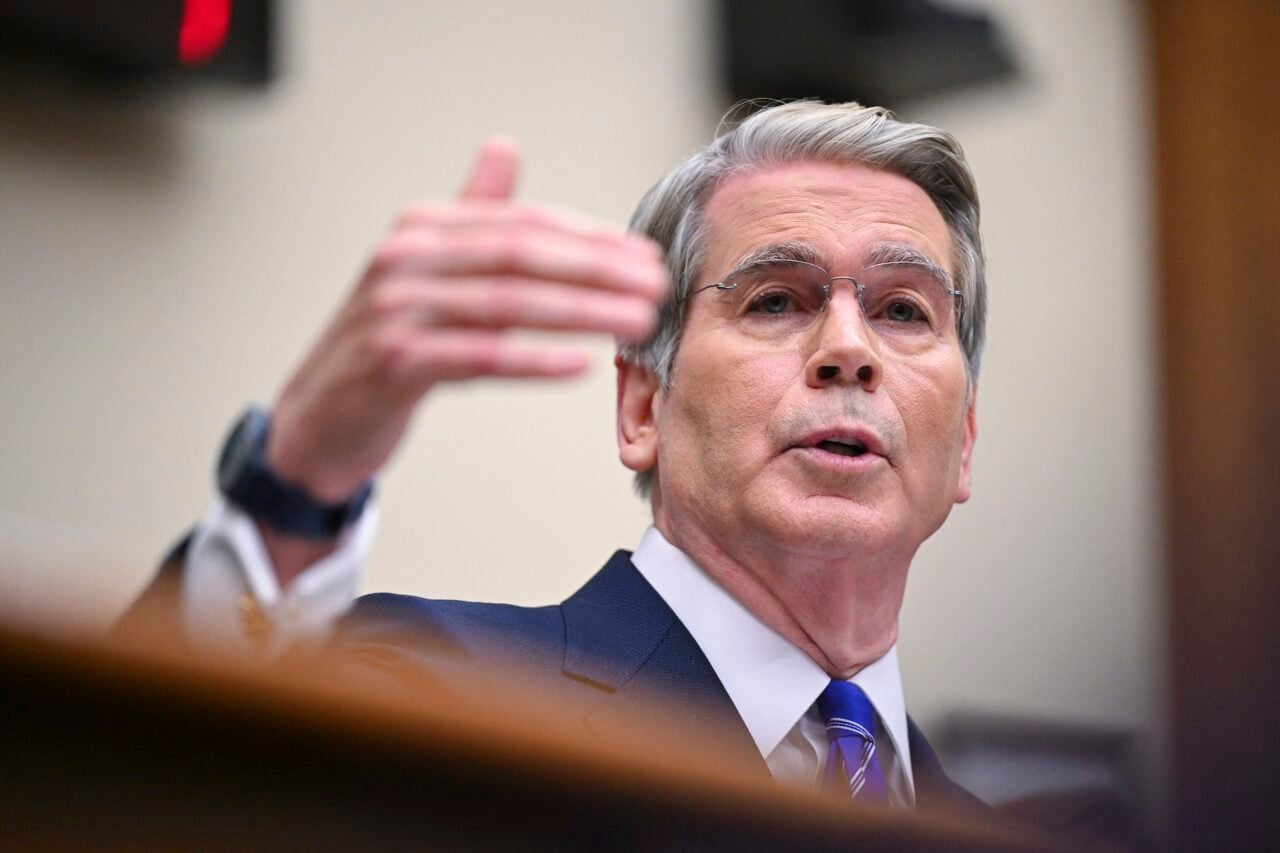
US Treasury Secretary tells lawmakers not to give AI companies what they want

US Treasury Secretary Scott Bessent told a House committee that AI creators should be liable for their products rather than receive antitrust exemptions. The remarks respond to an essay by Anthropic CEO Dario Amodei calling for slower AI development and a narrow antitrust exemption to discuss safety standards.

US Treasury Secretary tells lawmakers not to give AI companies what they want
Policy

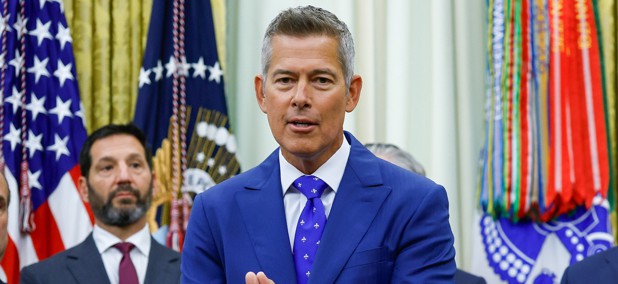
AI for air traffic control won’t be like concerning advanced models, Transportation head says

US Transportation Secretary Sean Duffy said AI in FAA airspace modernization will be only an auxiliary tool while preserving controller jobs. Implementation will proceed "slowly," with one of the first scenarios being weather route management.

AI for air traffic control won’t be like concerning advanced models, Transportation head says
Policy

Sen. Blumenthal urges AI oversight: 'We're on the verge of losing control'

Senator Richard Blumenthal told CNBC that new AI products should undergo "objective review" before release, but regulation should be targeted and not undermine US competitiveness. He compared the approach to FDA drug regulation and warned that control over AI is nearly lost.

Sen. Blumenthal urges AI oversight: 'We're on the verge of losing control'
Policy

US Tech Giants Accused of Allying with European Far Right to Weaken EU Rules

A new report accuses Meta, Google and Microsoft of building ties with far-right MEPs to weaken regulation of AI, data and online platforms. The report cites the Digital Omnibus package and possible revisions to the AI Act and GDPR.