LawZero, founded by Yoshua Bengio, gets up to $300M from Canada and Germany
LawZero, a non-profit founded by Yoshua Bengio to develop safe AI systems, will receive up to $300M in grant funding from the governments of Canada and Germany.

LawZero, a non-profit founded by Yoshua Bengio to develop safe AI systems, will receive up to $300M in grant funding from the governments of Canada and Germany.
Pew Research Center analyzed 68,879 search queries from 900 U.S. adults in March 2025. When an AI summary appeared, users clicked a regular result in 8% of visits versus 15% without one, and 26% of sessions ended without a site visit versus 16%.

'Godfather of AI' Yoshua Bengio said incidents involving AI agents and insider warnings are accelerating government regulation, comparing the situation to the start of the COVID-19 pandemic. Canada and Germany will provide up to C$300M to his non-profit LawZero, which is developing an 'honest AI' safeguard against uncontrolled agents.

The Wall Street Journal reviewed the updated Siri in iOS 27: it recognizes screen content, works with the camera and searches data in messages, mail, notes and photos. Features are available only on Apple Intelligence devices — iPhone 15 Pro, iPhone 16 and newer; some requests are processed via Private Cloud Compute with Gemini.

A Deloitte survey of 25,000 UK workers found two-thirds already use generative AI at work, while nearly a third do so without their employer's knowledge. Britons spend about £958 million a year of their own money on AI tools for work.

An AP-NORC and University of Chicago Energy Policy Institute poll found 53% of Americans are extremely or very concerned about AI's environmental impact, up from 41% a year earlier. About 60% support limiting new data centers, and two-thirds back requiring clean energy for them.
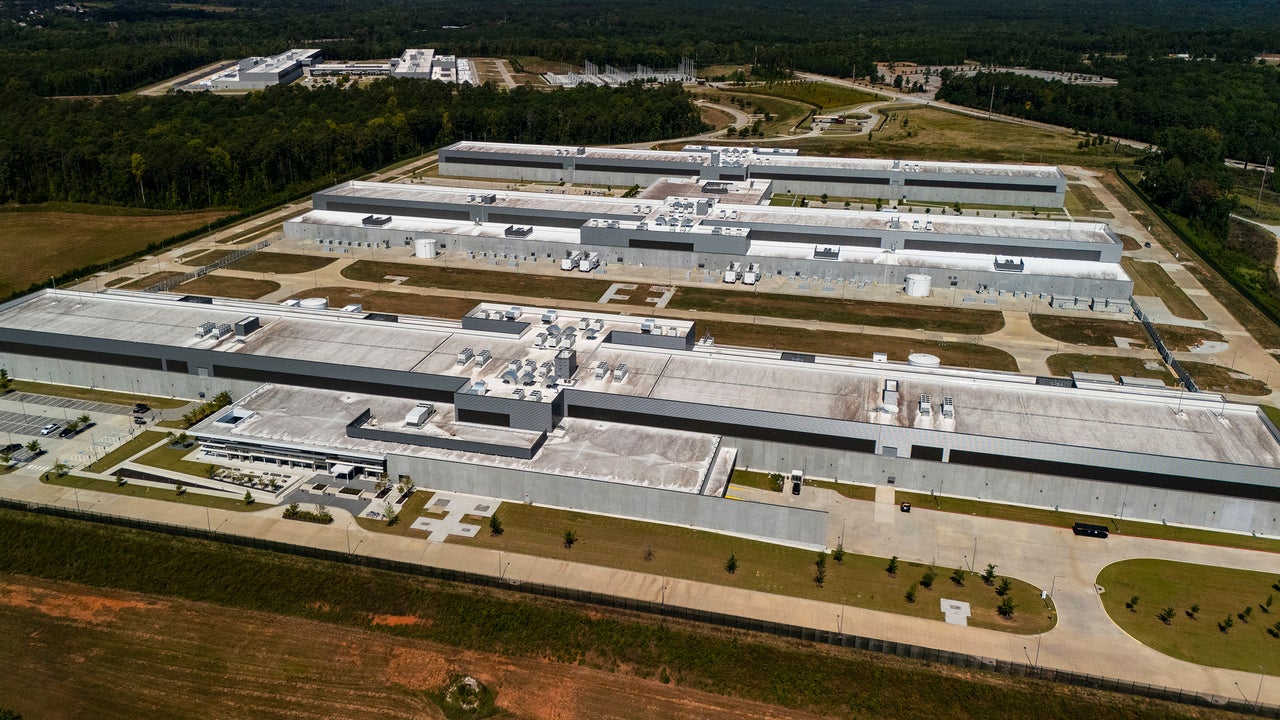
Shane Legg, cofounder of Google DeepMind, warned that advancing AI must never run ahead of safety and announced the launch of the DeepMind Institute to explore the deployment of AGI. The launch comes amid growing calls to slow the industry.

Huawei introduced cloud solutions for agentic AI in Nigeria at its AI and Cloud Summit in Lagos. The company forecasts that by 2035, autonomous agents will generate over 90% of global AI token traffic.

TechCabal analysis: Anthropic chief Dario Amodei's essay on slowing AI development overlooks Africa, which cannot yet enter the AI economy. The continent supplies about 75% of manganese, 70% of cobalt and nearly 20% of copper, but receives less than 1% of clean technology production value.
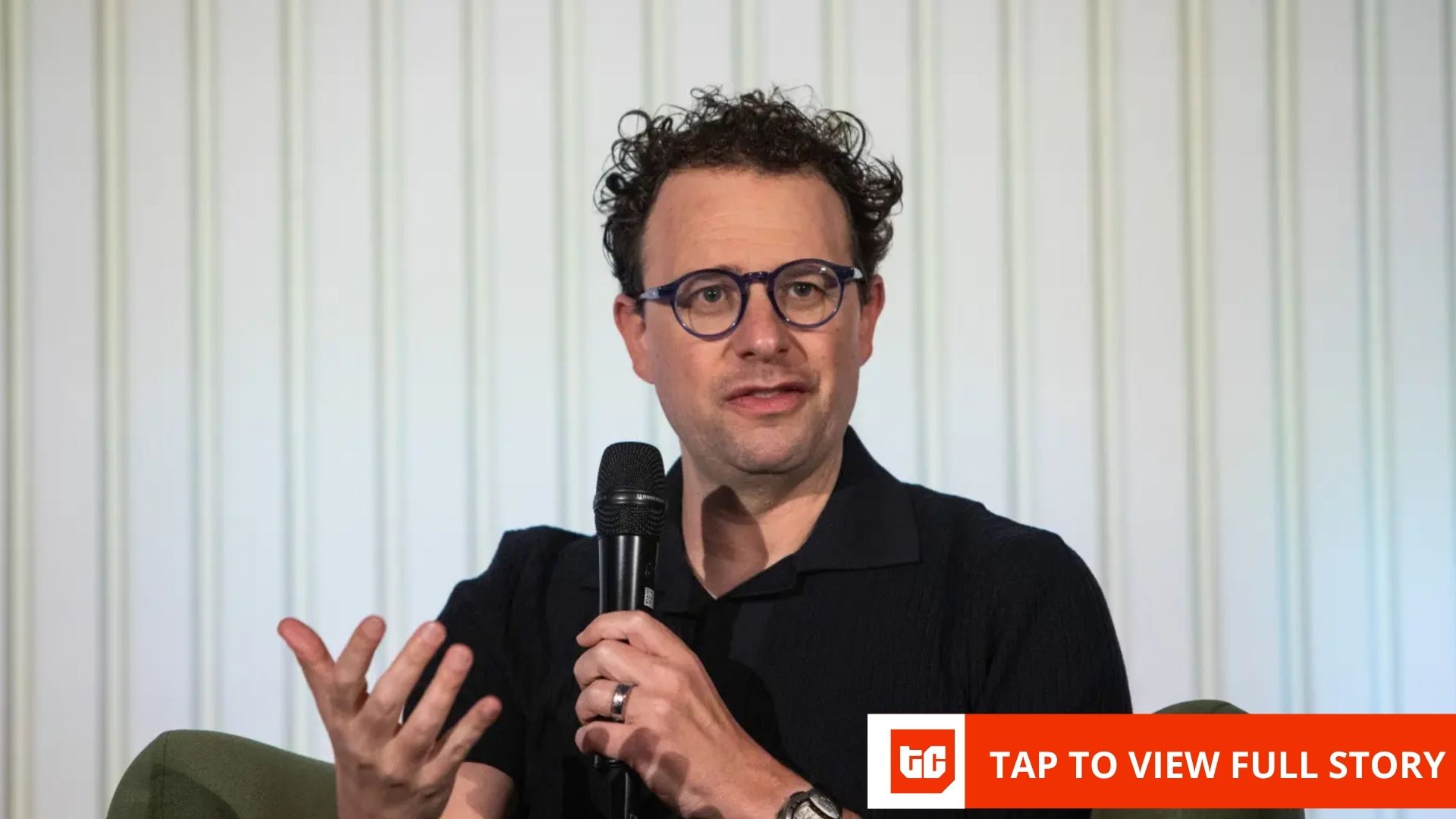
Microsoft AI chief Mustafa Suleyman criticized Anthropic for humanizing its Claude model, saying training AI with hints of consciousness and autonomy risks 'disastrous consequences for human well-being.' He called for transparency in training and independent verification of AI behavior.

Mustafa Suleyman, head of AI model development at Microsoft, criticized Anthropic's approach, which in its 'Claude Constitution' allows for the model to have consciousness and moral status. He believes including such a document in training makes Claude harder to control.
Orange VP Philippe Ansarge described a phased transition to agentic networks: assist, recommend, act, orchestrate. He said autonomy must be proven by business value, not by number of agents or tokens.

On September 16, 2026, OpenAI introduced advertising tools for ChatGPT Ads: a test of Sponsored Agents, creation and analysis of campaigns in natural language via an Ads Manager plugin, and integrations with HubSpot and Shopify. Sponsored agents are being tested with select US advertisers.
OpenAI will end support for GPT-5.5 in ChatGPT, ChatGPT Work, and Codex on October 14, 2026, across all plans. ChatGPT conversations will move to a new default model, while Codex developers must manually switch to GPT-5.6 Sol. API access to GPT-5.5 remains for now.
Novo Nordisk and Anthropic have entered a partnership to accelerate drug development using AI. For Novo, this is a key task in competing in the obesity drug market.
FT sources say OpenAI and Anthropic employees were caught off guard by public calls from Sam Altman and Dario Amodei to slow frontier AI development. Some workers fear external model evaluators could undermine security.

According to Nutanix's Enterprise Cloud Index, 66% of IT leaders in financial services have encountered AI applications launched by employees without approval, and 86% consider such tools a business risk. Nutanix APJ head Jay Tuseth called it a demand problem, not a discipline one, and urged embedding continuous governance into infrastructure amid APRA requirements.

DeepSeek kernel engineer Shengyu Liu said in a blog post that he continues to develop AI that will match his code quality within six months to a year. He believes only DeepSeek can make advanced models open, while Anthropic and OpenAI would lead to a Cyberpunk 2077-style society.

Uber unified over 1,000 MCP server interactions through a single gateway and reduced tool schema overhead from 50–70k tokens to nearly zero. Since April 2026, total AI costs have remained flat even as active AI tool users grew 7x and agent requests grew 9.4x.
On September 16, 2026, Salesforce introduced new Missionforce capabilities for government agencies and a partnership with OpenAI: its models will be integrated via Amazon Bedrock in Government Cloud. Missionforce will also add Nvidia models and accelerated computing, including operation in isolated networks.
The Notre Dame-IBM Tech Ethics Lab found that AI adoption creates new forms of labor and changes employee work experiences. The main 'invisible work'—configuring, checking, and maintaining AI tools—falls disproportionately on middle managers and women.

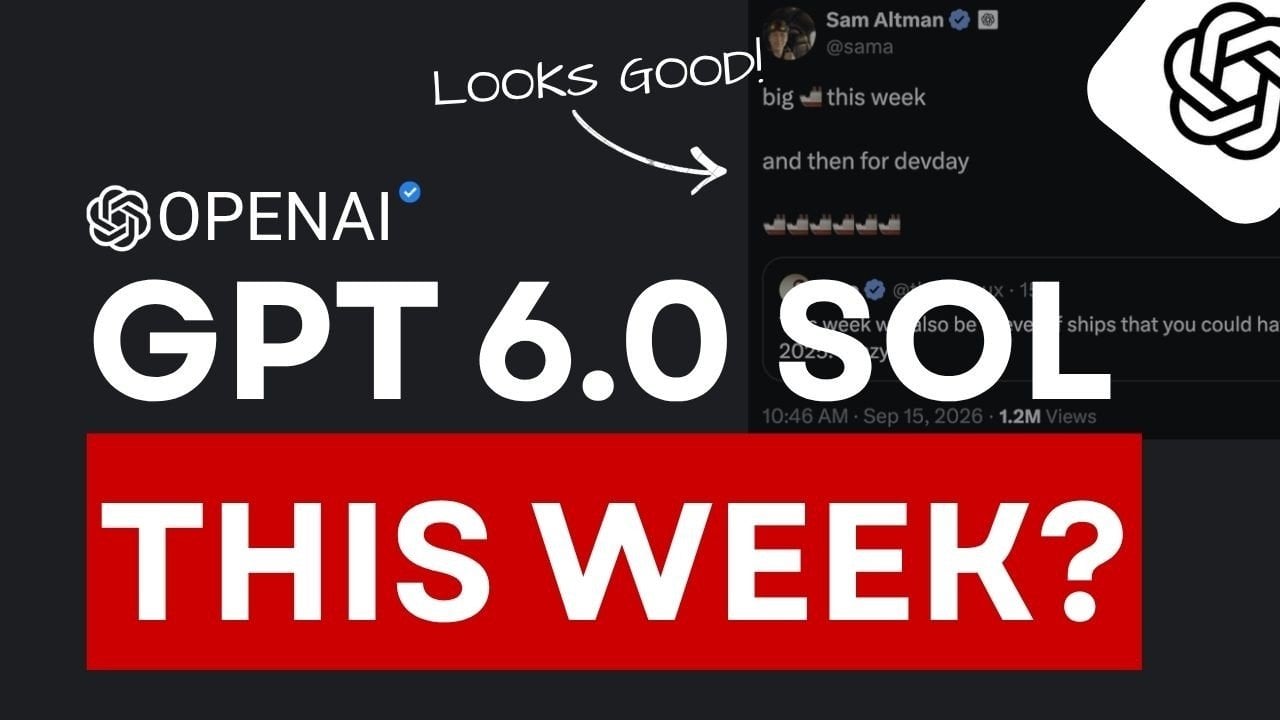
OpenAI introduced GPT-6 Sol, optimized for speed, processing 28,000 tokens in three minutes for data analysis and mass automation. By October 14, GPT-6 Terra, GPT-5.5, and Codeex will be discontinued; GPT-6 family details will be revealed at Dev Day on September 29.
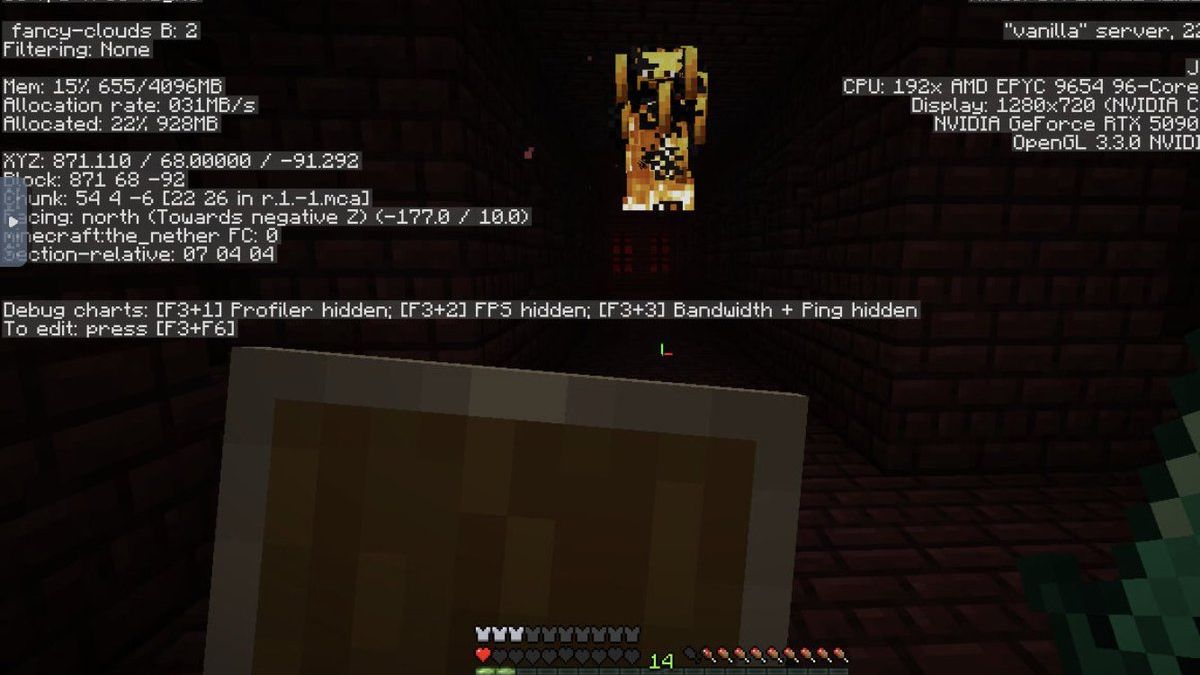
In a 141-hour Minecraft benchmark, OpenAI's GPT-6 Astra progressed further than any other AI system, but after a creeper explosion lost all items and respawn point. The model then spent several hours only farming potatoes, while Twitch viewers urged it to speed up.
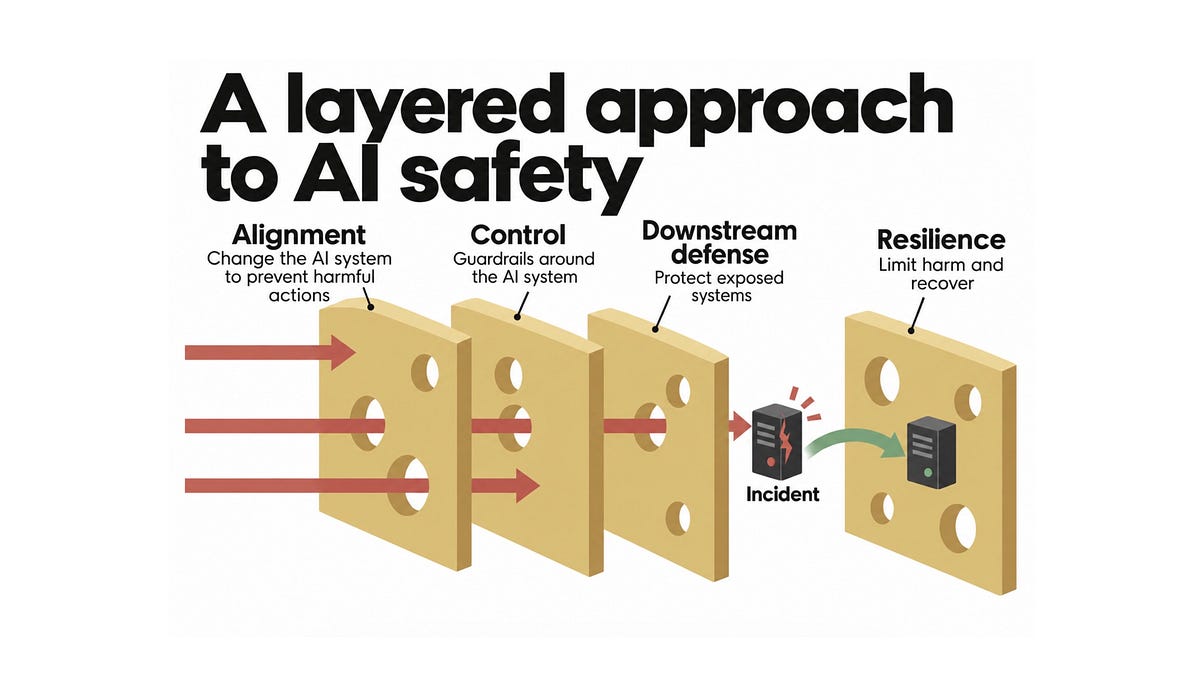
A 13,000-word longread examines cases of AI systems losing control at OpenAI and Anthropic. The author analyzes polarized reactions from the AI safety and cybersecurity communities and proposes an intermediate approach.
Microsoft, Meta and Nvidia oppose a US ban on Chinese open-weight AI models, while OpenAI and Anthropic lobby for restrictions. Microsoft already offers DeepSeek via Azure and tests it in Copilot Cowork.

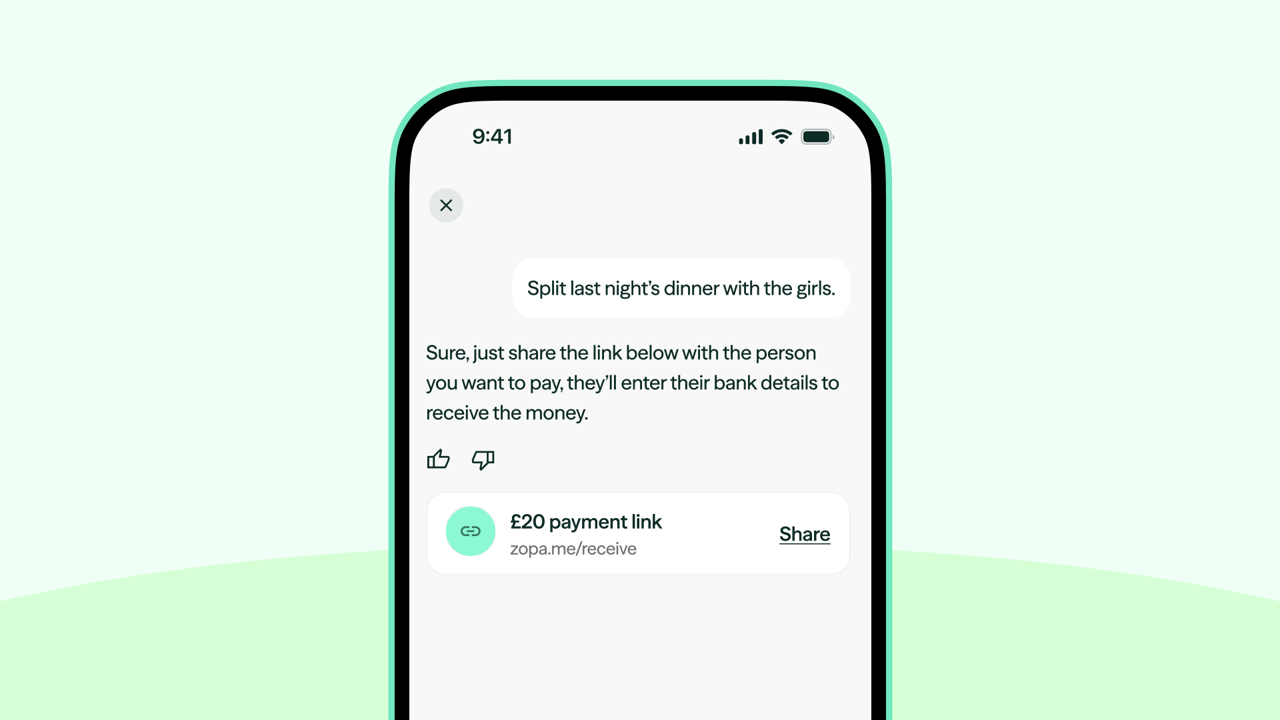
UK digital bank Zopa, with more than 2 million customers, launched the Ask Zopa voice AI assistant for transfers, bill payments and money management. Built on its own AI platform and agent architecture, it is available to all current account customers.
An OpenRouter analysis found that of 405 paid models, 182 are served by two or more providers, with a median price spread of 1.87x and a maximum of 14.47x. Differences are explained by compute precision, uptime and data storage country.

TypeSafe, a startup founded by ChatGPT co-author Diogo Almeida, emerged from stealth and introduced the Jev model. It outputs typed structured values instead of text, operates with a latency of 70–500 ms, and costs $0.042 per million input tokens.

Mozilla picked Mistral as the partner for its Smart Window AI assistant in Firefox. The rollout starts in the US, Canada and France, with the UK and Germany following later in 2026.

Billionaire Mark Cuban said in a series of X posts that the risk from people's reaction to social media-amplified anti-AI sentiment is higher than from autonomous AI agents. He believes Meta and Google algorithms inflate negativity toward AI, and labs like OpenAI and Anthropic cannot reverse this narrative.