KAIST nanoscale electrode could enable lighter, longer-range EV batteries
Researchers at South Korea's KAIST have developed a nanostructured copper electrode for anode-free batteries: 300-nm-wide, 150-nm-high tube structures quadruple the lithium deposition area and suppress dendrite growth. A 10-nm MXene coating forms a lithium fluoride-rich protective layer. The findings were published in Advanced Functional Materials on September 1.
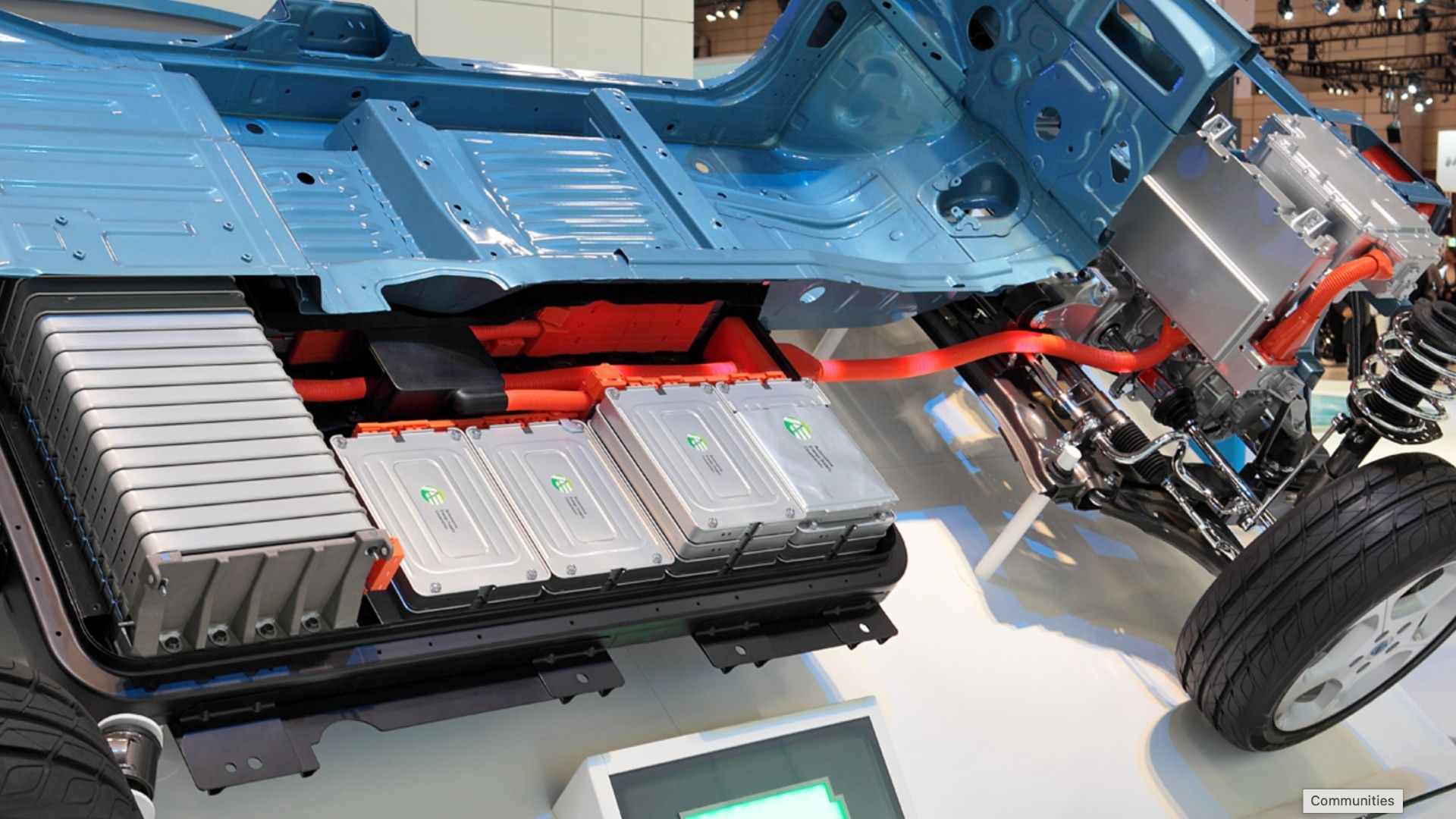
- 300-nm-wide, 150-nm-high tubes quadruple the lithium deposition area
- A 10-nm MXene coating forms a lithium fluoride-rich protective layer
- Anode-free design cuts weight and boosts EV battery energy density
- The method relies on secondary sputtering lithography from chipmaking
Read next
Science