Webb telescope pinpoints galaxy behind the farthest fast radio burst yet
Astronomers used the James Webb telescope to identify the galaxy that produced the farthest fast radio burst ever detected, first spotted by MeerKAT in 2024. The burst occurred just 3 billion years after the Big Bang, and its host galaxy is 1,000 times smaller than expected. The findings point to a supernova origin rather than a neutron star merger.
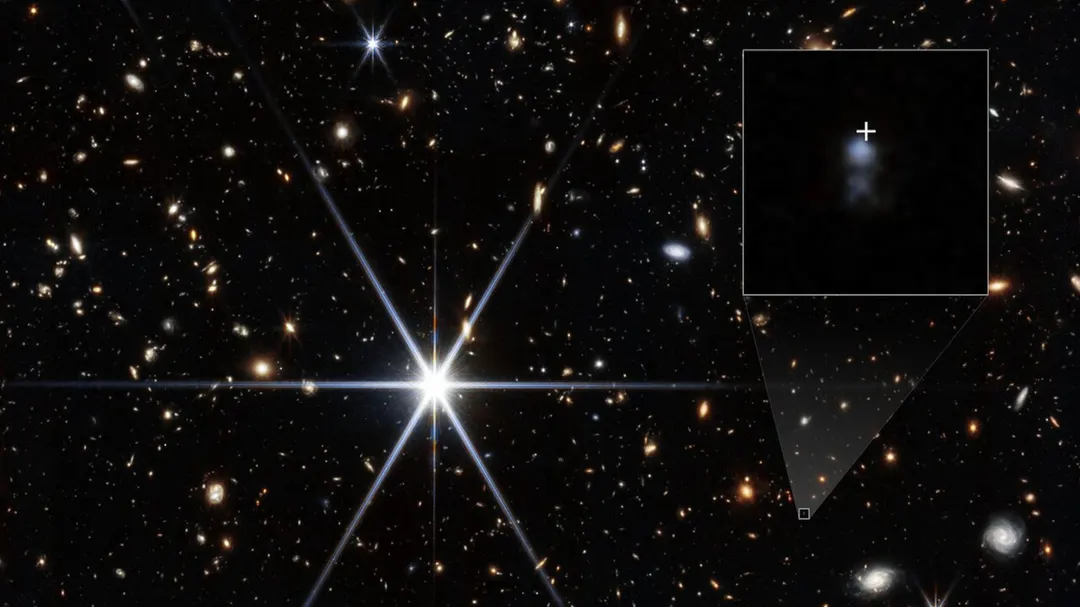
- The burst was detected by MeerKAT in 2024 and is the farthest known
- It occurred only 3 billion years after the Big Bang
- Its host galaxy is 1,000 times smaller than expected
- Data points to a supernova and magnetar, not a neutron star merger
Read next
Science