2-Billion-Year-Old South African Rocks Reveal Phosphorus Cycle That Kept Oxygen in Earth's Atmosphere
Geologists led in part by UC Riverside analyzed rocks from South Africa older than 2 billion years and found a phosphorus recycling loop in the oceans after the Great Oxidation Event. Rising sulfate levels helped microbes break down organic matter and release phosphorus back into seawater, supporting biological growth and carbon burial that kept oxygen in the atmosphere.
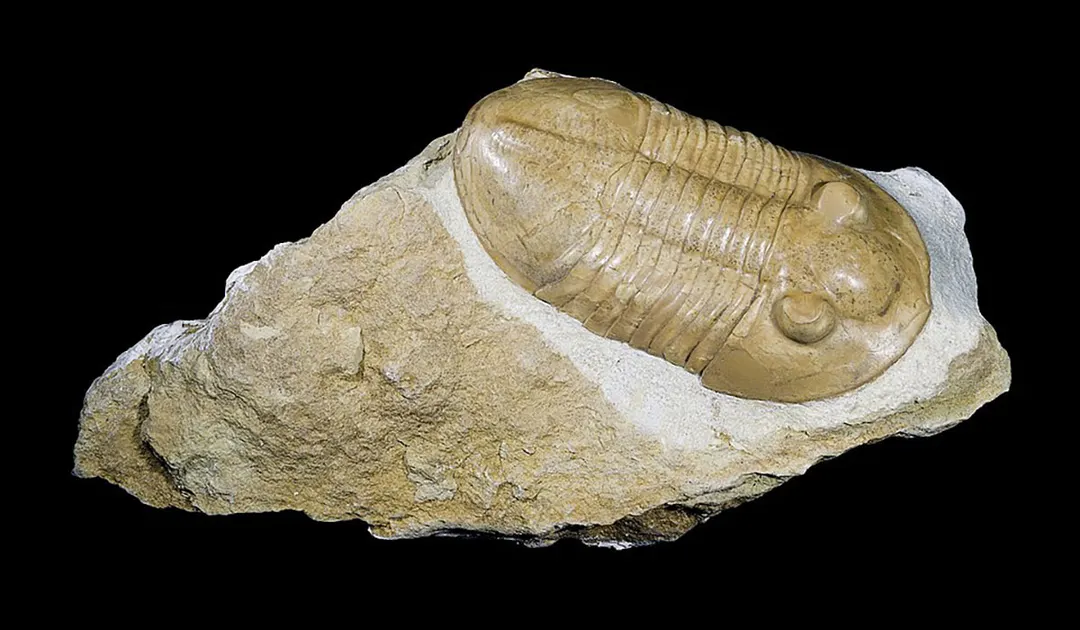
- Rocks over 2 billion years old point to a phosphorus recycling cycle in ancient oceans
- Rising sulfate levels helped microbes release phosphorus back into seawater
- More phosphorus meant more buried carbon and less oxygen consumed
- New method separates bioavailable phosphorus from mineral-bound phosphorus
Read next
Science