1.7-billion-year-old fossils link oxygen to the rise of complex life
Researchers analyzed over 12,000 microfossils from 1.75–1.4 billion-year-old mudstone cores in Australia's Northern Territory. Eukaryote fossils appeared only in oxygenated deposits, supporting the idea that early complex life depended on oxygen.
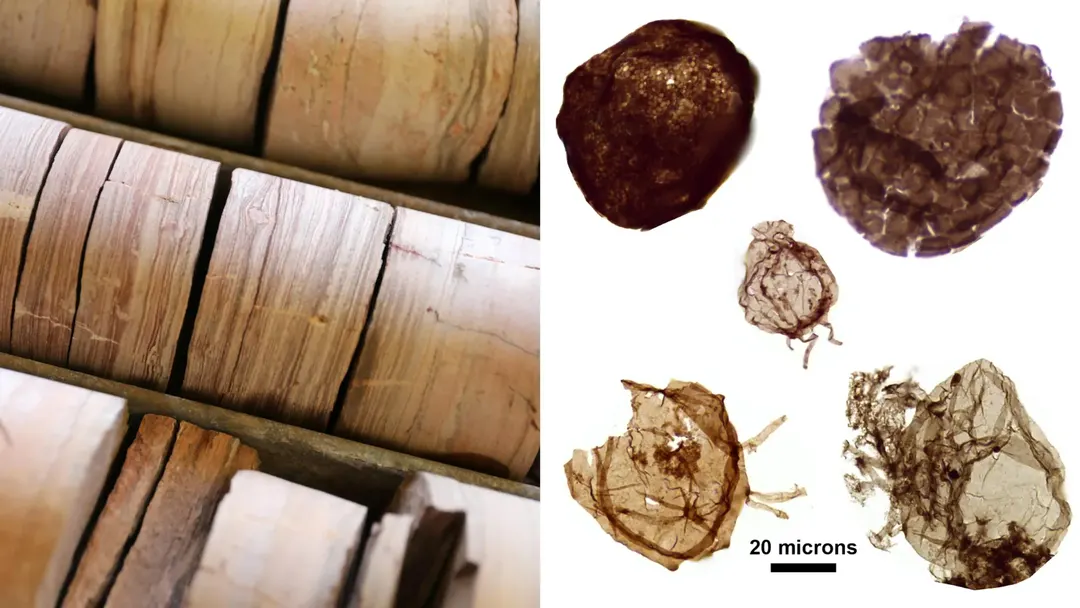
- More than 12,000 fossils identified from drill cores stored in Darwin
- Eukaryotes found only in samples deposited in oxygenated settings
- Oxygen-free samples contained only simple prokaryotic forms
- Oldest known eukaryote fossils date back up to 1.75 billion years
Read next
Science