5.5-billion-year-old meteorite reveals tens of thousands of molecules from early solar system
Scientists at MagLab, Florida State University and Brookhaven National Laboratory studied the Murchison and Aguas Zarcas meteorites. Mass spectrometry revealed tens of thousands of carbon molecules, and atomic force microscopy showed individual molecular structures for the first time. Results were published in The Planetary Science Journal.
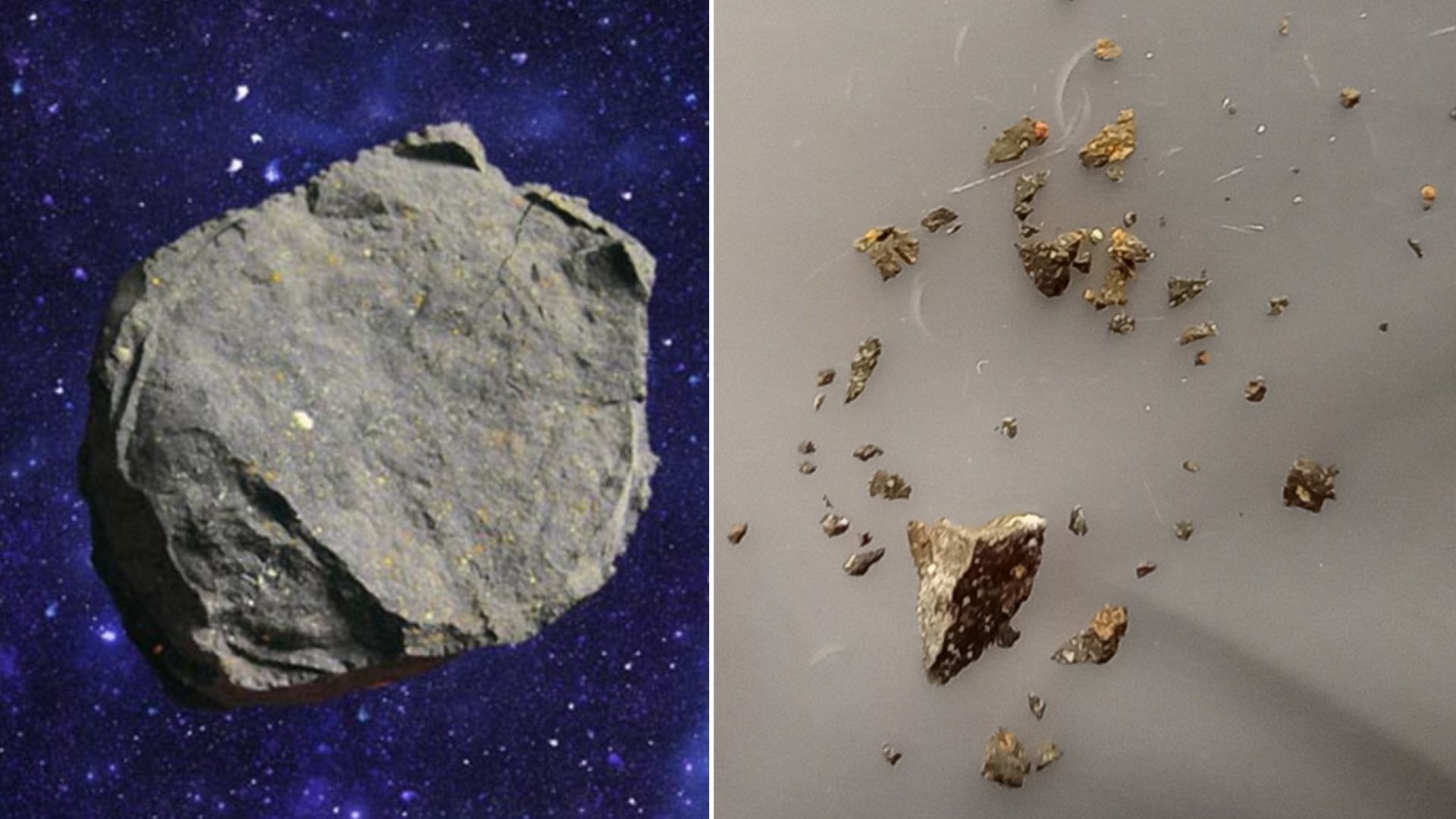
- Murchison fell in Australia in 1969; Aguas Zarcas in Costa Rica in 2019
- Murchison is estimated to be at least 5.5 billion years old, older than Earth
- Molecular compositions of the two meteorites matched only partially
- This is the third known case of such microscopy applied to meteorites
Read next
Science