Scented cleaners can fill homes with ultrafine nanoparticles
Purdue University research found that fragrance compounds from conventional and botanical cleaning products react rapidly with indoor ozone to form 1–30 nm nanoparticles. The resulting respiratory dose can match or exceed that of standing beside a busy road.
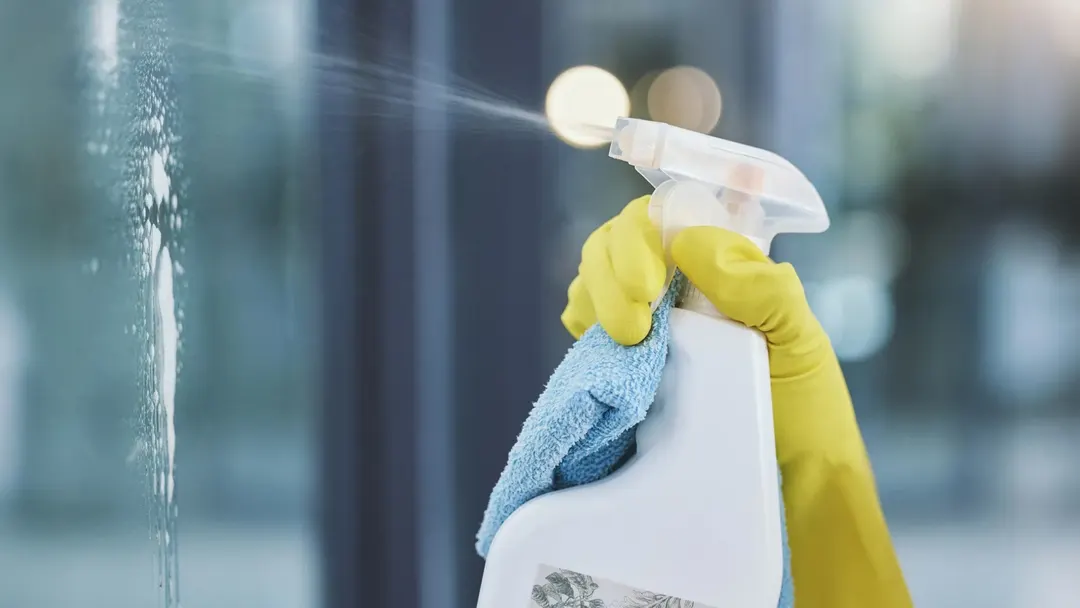
- Scented cleaning generates billions to trillions of 1–30 nm particles
- Indoor terpene levels can be tens to hundreds of times higher than in forests
- Far-UV lamps add 20–40 ppb ozone and intensify particle formation
- Unscented products and ventilation reduce exposure
Read next
Science