MIT tests implanted magnets to control robotic prosthetics
MIT researchers tested magnetomicrometry on three below-knee amputees: pairs of 3-mm magnetic beads implanted in muscles let external sensors track changes in distance between them. The method provides more accurate and stable muscle-movement data than surface EMG and computes muscle length and velocity for prosthetic control.
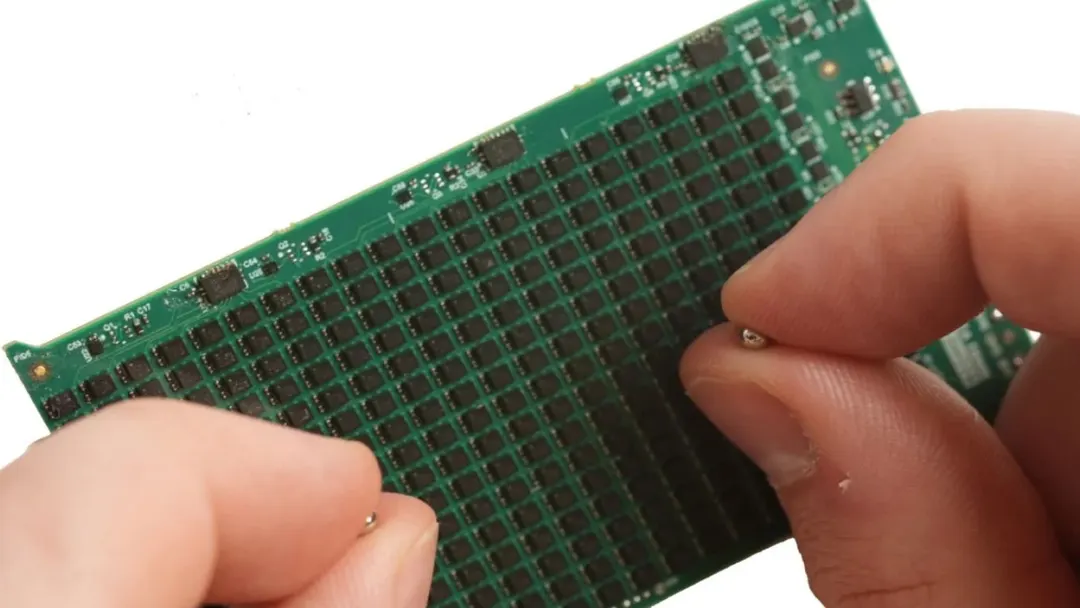
- 3-mm neodymium-iron-boron magnets coated with gold and parylene C
- Magnetic signals detected through tissue at depths up to 6 cm
- Three below-knee amputees with AMI procedure took part
- Compared against implanted and skin-surface electrodes
Read next
Science