Study links extreme geomagnetic instability to end-Guadalupian extinction
A National Science Review paper reports a 3.75-million-year magnetostratigraphic record from the Fengshan section in South China spanning the Guadalupian-Lopingian transition. It shows 29 magnetozones and a reversal rate of 11 per million years, one of the highest known, coinciding with the end-Guadalupian extinction around 261 million years ago. Causation remains unproven.
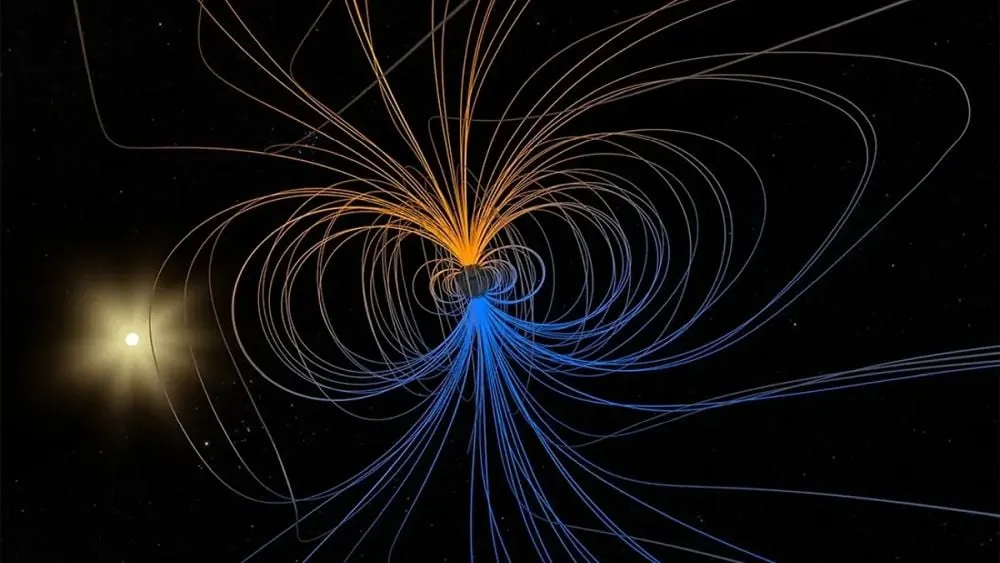
- Fengshan section in South China covers 3.75 million years of the Permian
- Record shows 29 magnetozones and 11 reversals per million years
- Peak instability aligns with the extinction around 261 million years ago
- Authors suggest cosmic-ray flux and ozone loss as possible mechanisms
Read next
AI