Scientists map ancient Martian rains to target search for life
A team led by the Institute of Science Tokyo simulated late Noachian and early Hesperian Mars to map where formaldehyde (H₂CO) fell with ancient rains. Tharsis and Elysium received about ten times the global average, making them candidate targets for future astrobiology missions.
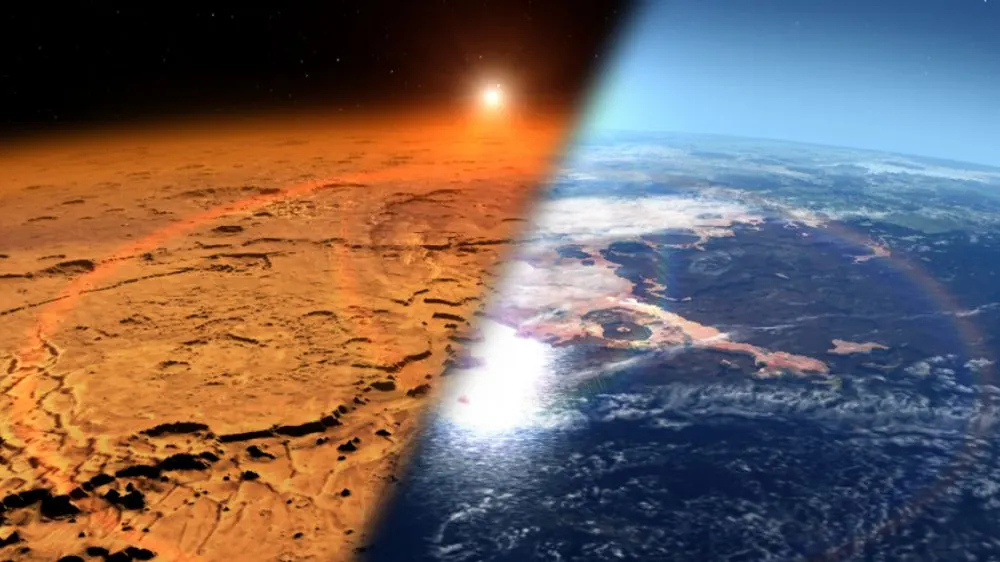
- Formaldehyde plus water is a precursor to sugars and amino acids
- Tharsis and Elysium got ~10x the global average H₂CO
- The map was compared with past Mars landing sites
- The study appears in The Planetary Science Journal
Read next
Science