Boosting Nav1.1 Protein Restores Memory in Alzheimer's Mice
Gladstone Institutes researchers found that in Alzheimer's-like mice, parvalbumin interneurons lose their precisely timed firing, weakening gamma rhythms. Raising levels of the sodium channel Nav1.1 restored the rhythms, reduced amyloid plaques and improved memory and lifespan in the animals.
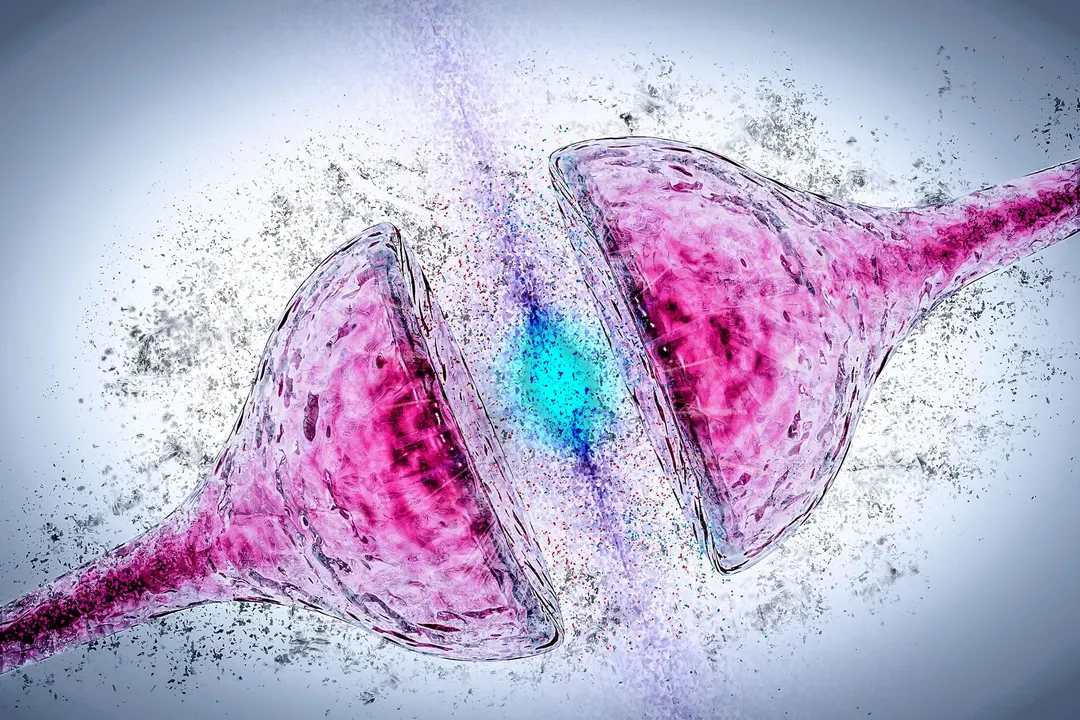
- PV interneurons fire in sequence to generate 30–90 Hz gamma rhythms
- In Alzheimer's mice the cells fire in excess synchrony, weakening the rhythm
- Boosting Nav1.1 restored rhythms, cut plaques and improved memory in mice
- Over a quarter of Alzheimer's patients show epilepsy-like brain activity
Read next
Science