Scientist: peptide P3 may have been overlooked in Alzheimer's research for decades
UC Santa Cruz biochemist Jevgenij Raskatov argues in a ChemBioChem commentary that the P3 peptide, long deemed harmless, can form fibrils and aggregates at least as readily as amyloid beta and may be neurotoxic. The findings challenge decades of Alzheimer's research focused on amyloid beta.
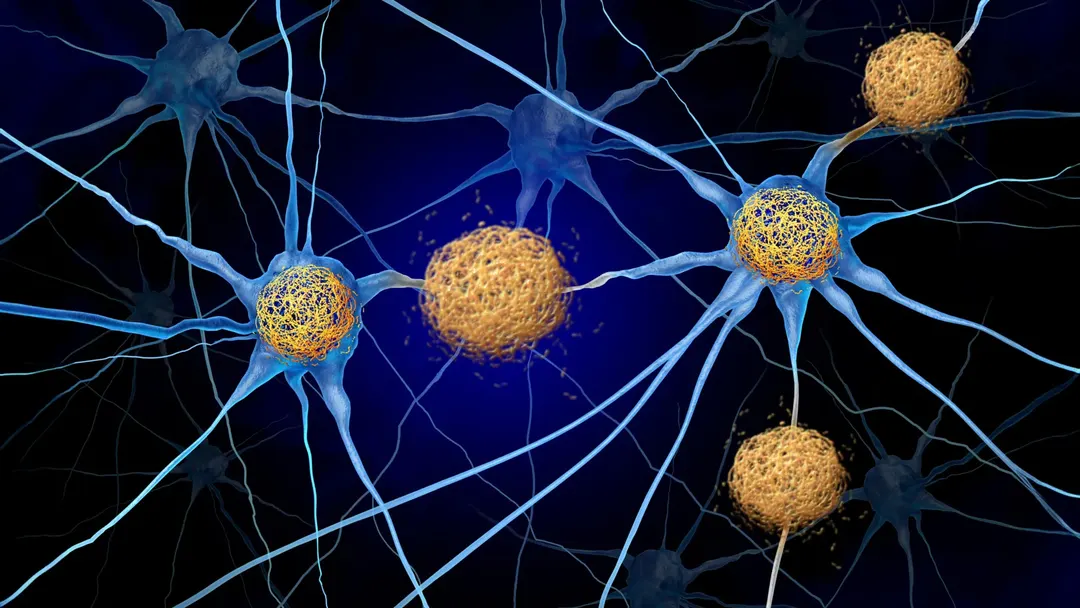
- P3 forms via a different APP cleavage sequence: α-secretase first, then γ-secretase
- Raskatov's lab has published three major studies on P3 aggregation in five years
- P3 forms fibrils faster than amyloid beta, though its toxicity appears lower
- About 35 million people have Alzheimer's, with annual costs exceeding $800 billion
Read next
Science