Pomegranate compound urolithin A boosts heart function by up to 80%
Researchers at King's College London found that urolithin A, a compound produced after eating pomegranates, walnuts and berries, improved heart relaxation by as much as 80% in experimental models of heart failure with preserved ejection fraction. The compound activates the PKGlα protein, reduces fibrosis and limits heart muscle cell enlargement.
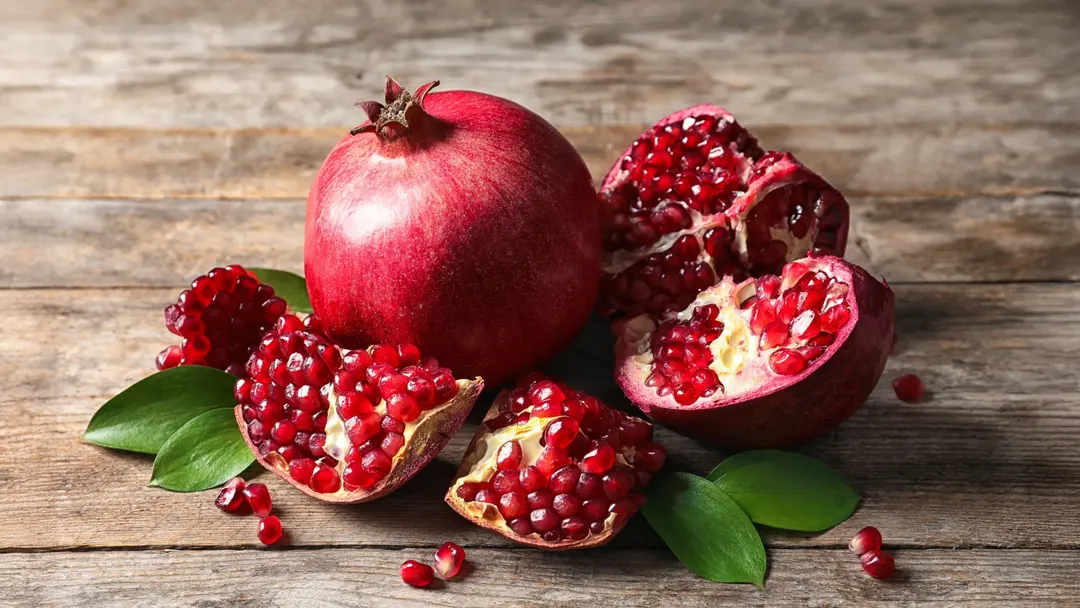
- Urolithin A improved heart function measures by up to 80% in animal models
- The compound activates PKGlα, a protein key to heart muscle relaxation
- Effects were confirmed in engineered human heart tissue from stem cells
- HFpEF accounts for roughly half of all heart failure cases
Read next
Science