Scientists revive 160-million-year-old antimicrobial proteins
University of Oregon biologists reconstructed antimicrobial lactoferrin peptides dating back as far as 160 million years and tested them against antibiotic-resistant bacteria. Some ancient versions outperformed modern human peptides, with a single amino acid mutation driving much of the gain. The study appeared in PLOS Biology on Aug. 25.
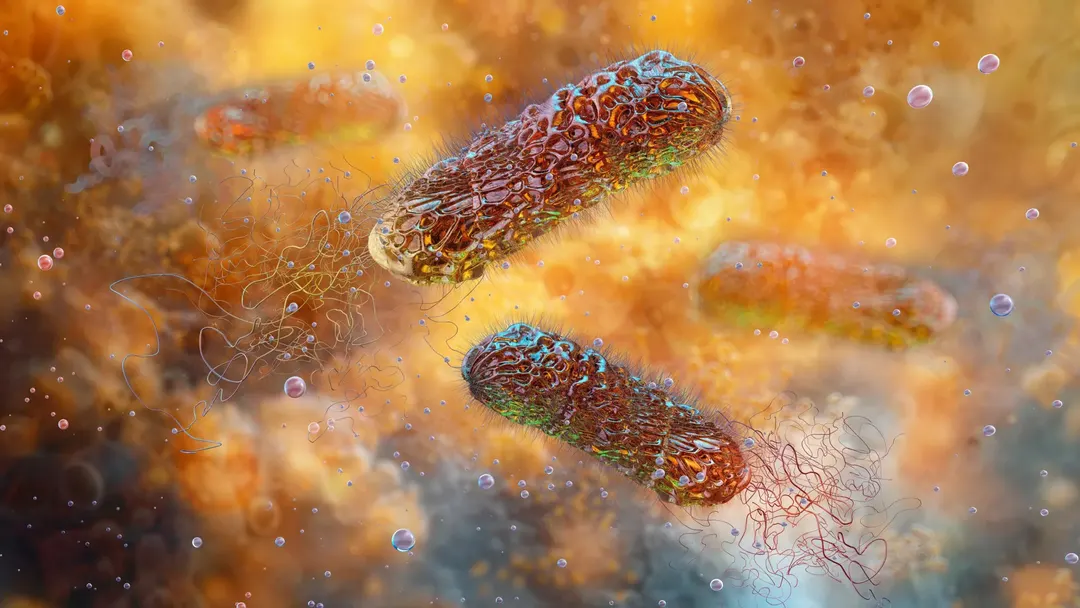
- Lactoferrin peptides up to 160 million years old were reconstructed
- Some ancient versions beat modern human peptides in lab tests
- A single amino acid mutation sharply boosted antimicrobial potency
- Peptides disrupted membranes of Pseudomonas, Staphylococcus, E. coli and Streptococcus
Read next
Science