9-Million-Year-Old Capybara Tooth Challenges Atacama Desert's Dry History
Researchers found a fossilized capybara tooth dating back almost 9 million years in marine deposits at El Morro in northern Chile — the first and oldest record of the rodent in coastal Chile. Alongside palm phytoliths and remains of freshwater fish and gavials, it suggests the Atacama was once much wetter, contradicting the view that it has been continuously dry for about 40 million years.
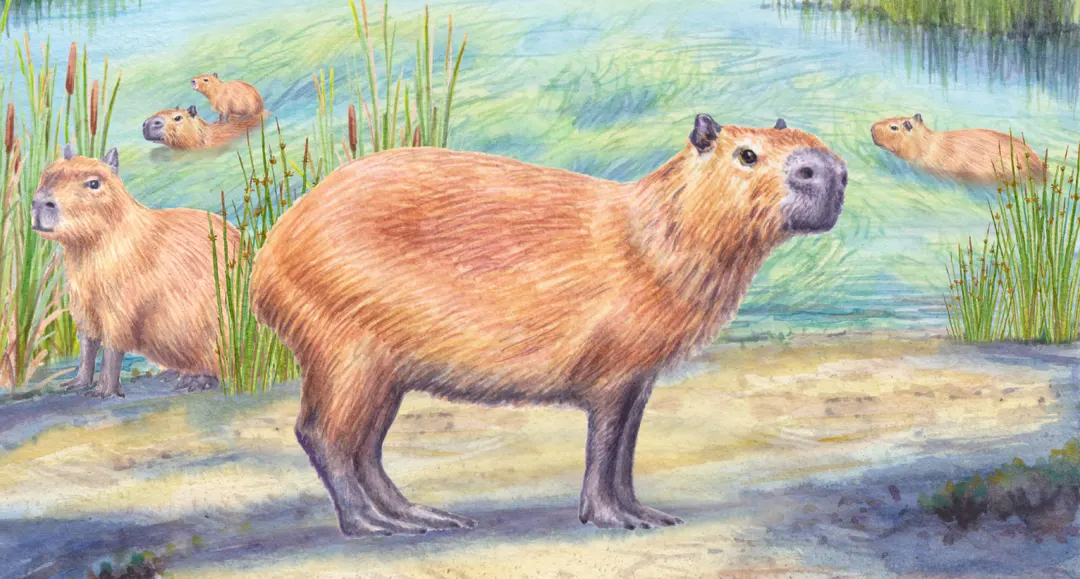
- The capybara tooth came from sediments deposited 10–7 million years ago at El Morro
- Phytoliths point to palms and flowering plants unlike today's Atacama flora
- The same layers held fossils of freshwater fish and gavials, indicating wet conditions
- Authors propose capybaras spread along the coast, bypassing the Andes
Read next
Science