Scientists: Antarctica's Lost 'Supermountains' May Have Fueled the Cambrian Explosion
Analysis of 1,712 zircon grains from 12 Antarctic sites suggests a giant mountain range existed 650–450 million years ago, formed during the assembly of Gondwana. Its erosion released phosphorus, iron and carbonates, possibly boosting oxygen levels and the Cambrian explosion.
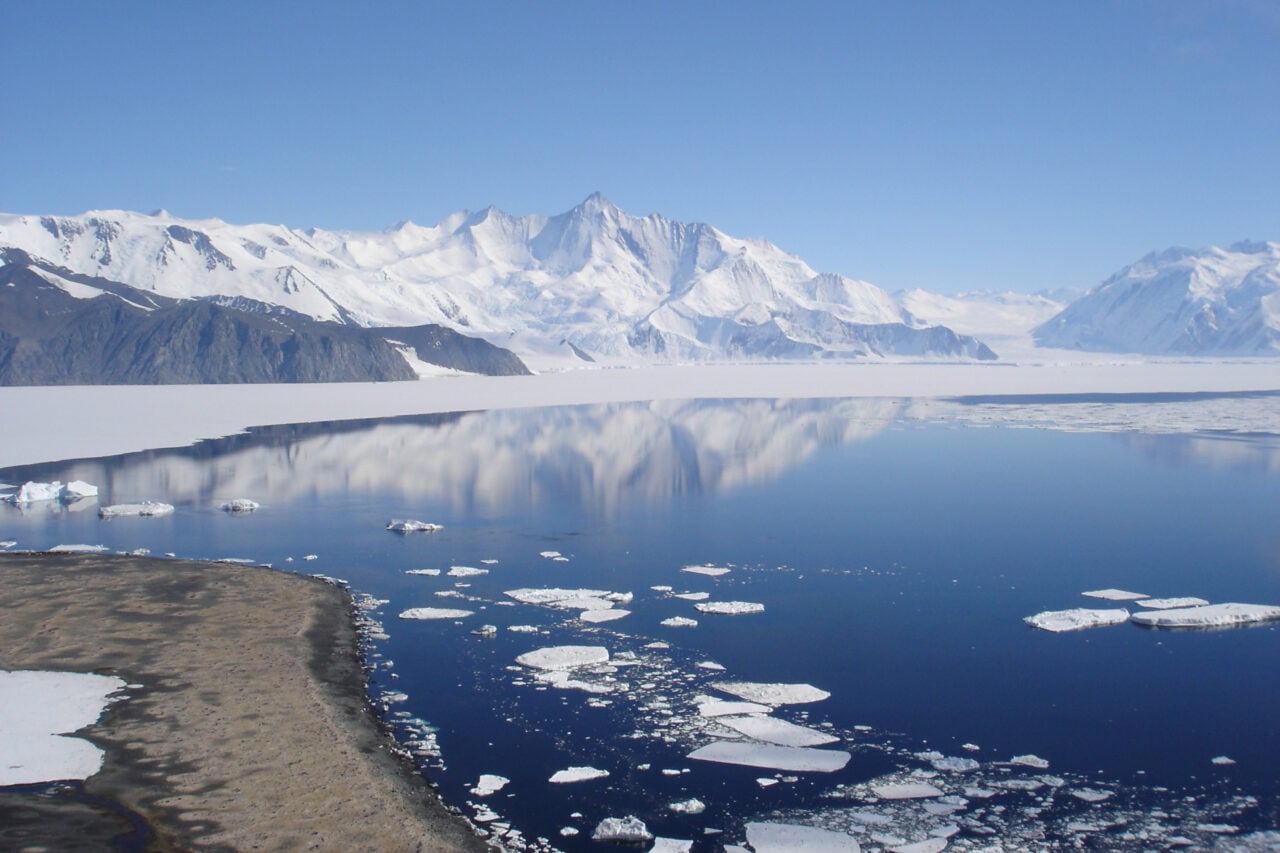
- 1,712 zircon grains from 12 Antarctic locations were analyzed
- Age peak of 650–450 million years matches Gondwana assembly
- Erosion supplied phosphorus, iron and carbonates for life
- Findings published in Earth and Planetary Science Letters
Read next
Science