Scientists reveal how tropical Clusia trees evolved night-time photosynthesis
Researchers at the University of Vienna compared the genomes of three Clusia species and found that CAM photosynthesis arose multiple times through ancient genome duplication and subsequent reorganization. Published in Nature Communications, the work could inform drought-resistant crops.
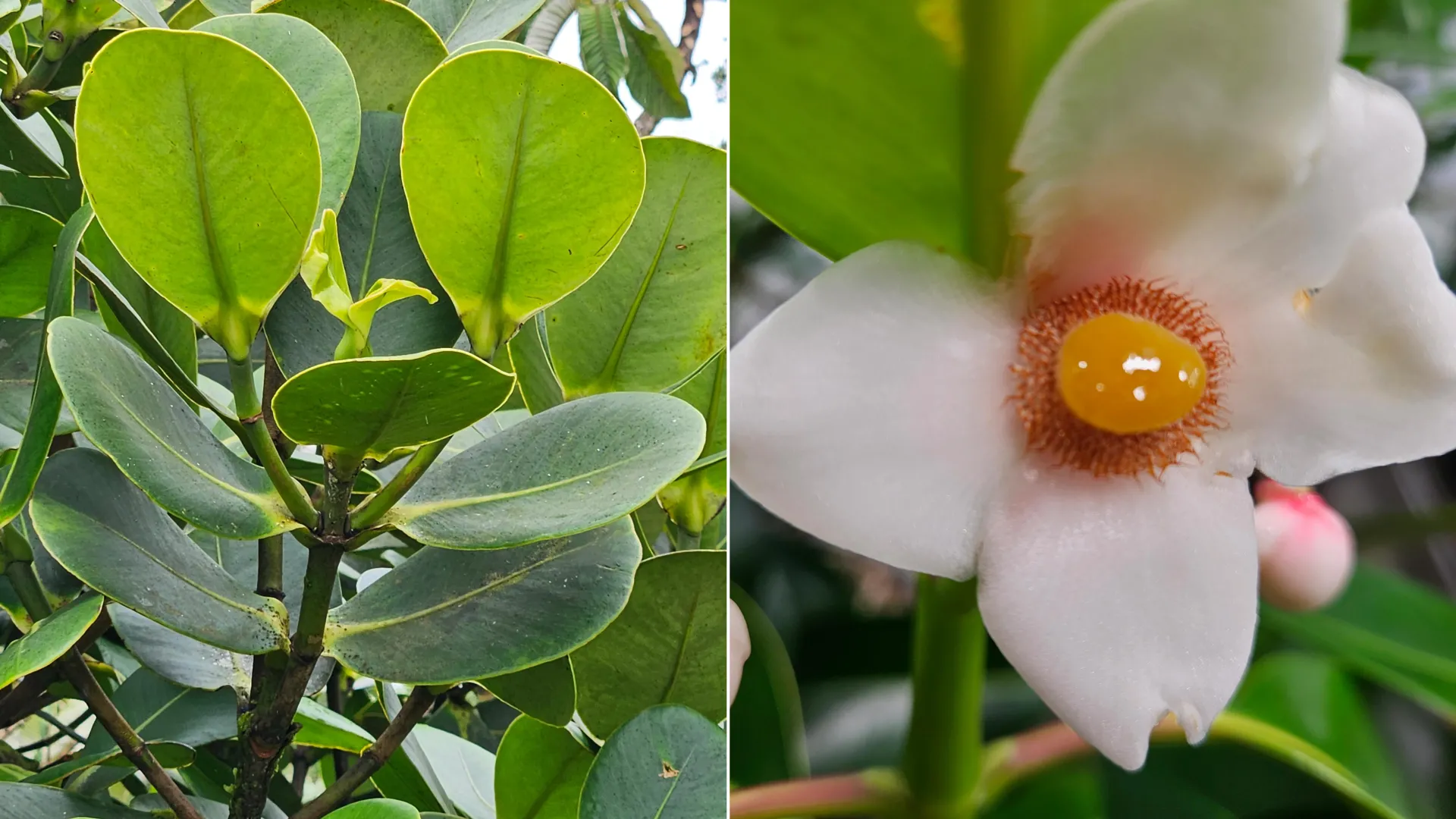
- Clusia is the only known tree genus that uses CAM photosynthesis
- All three species are ancient polyploids with heavily reorganized genomes
- Clusia rosea stores malate at night, while Clusia minor only switches on CAM under stress
- CAM plants use far less water than conventional C3 plants
Read next
Science