Strange seeds appear to be growing into massive black holes
Astrophysicists at the Max Planck Institute modeled the early Universe and suggested that mysterious "little red dots" in JWST observations are rapidly growing "supermassive" black holes emitting light as they accrete matter. The authors estimate that within a million years the surrounding gas is consumed and the object becomes a bright quasar.
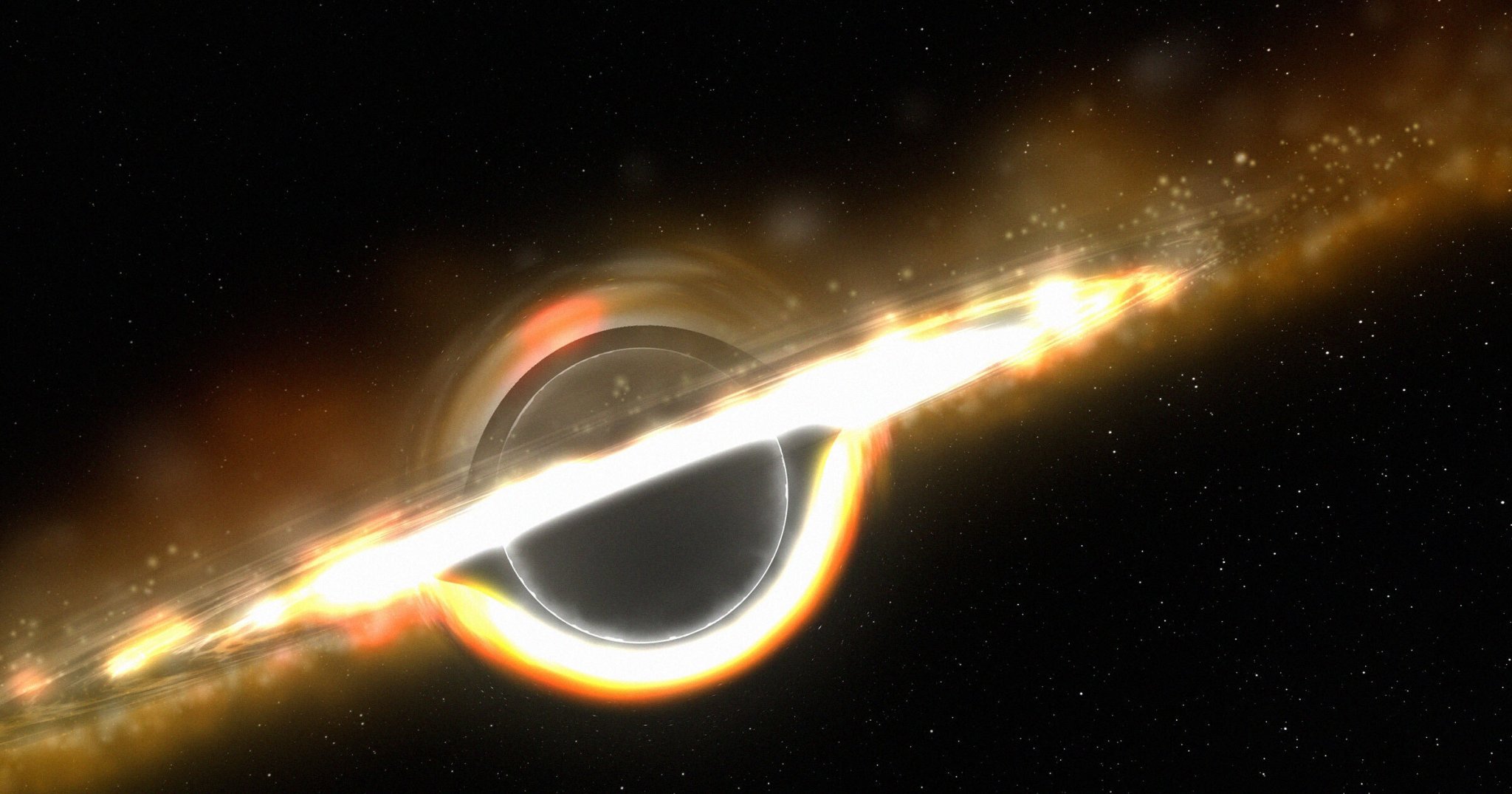
- Model explains red dots via H-alpha emission during accretion
- After ~1 million years gas is consumed, object becomes a quasar
- Evolution into supermassive black holes takes under a billion years
- Some scientists see the dots as evolution of ordinary black holes
Read next
Science