A Snapped Rib in the World’s Largest T. rex Preserved an Extraordinary Secret
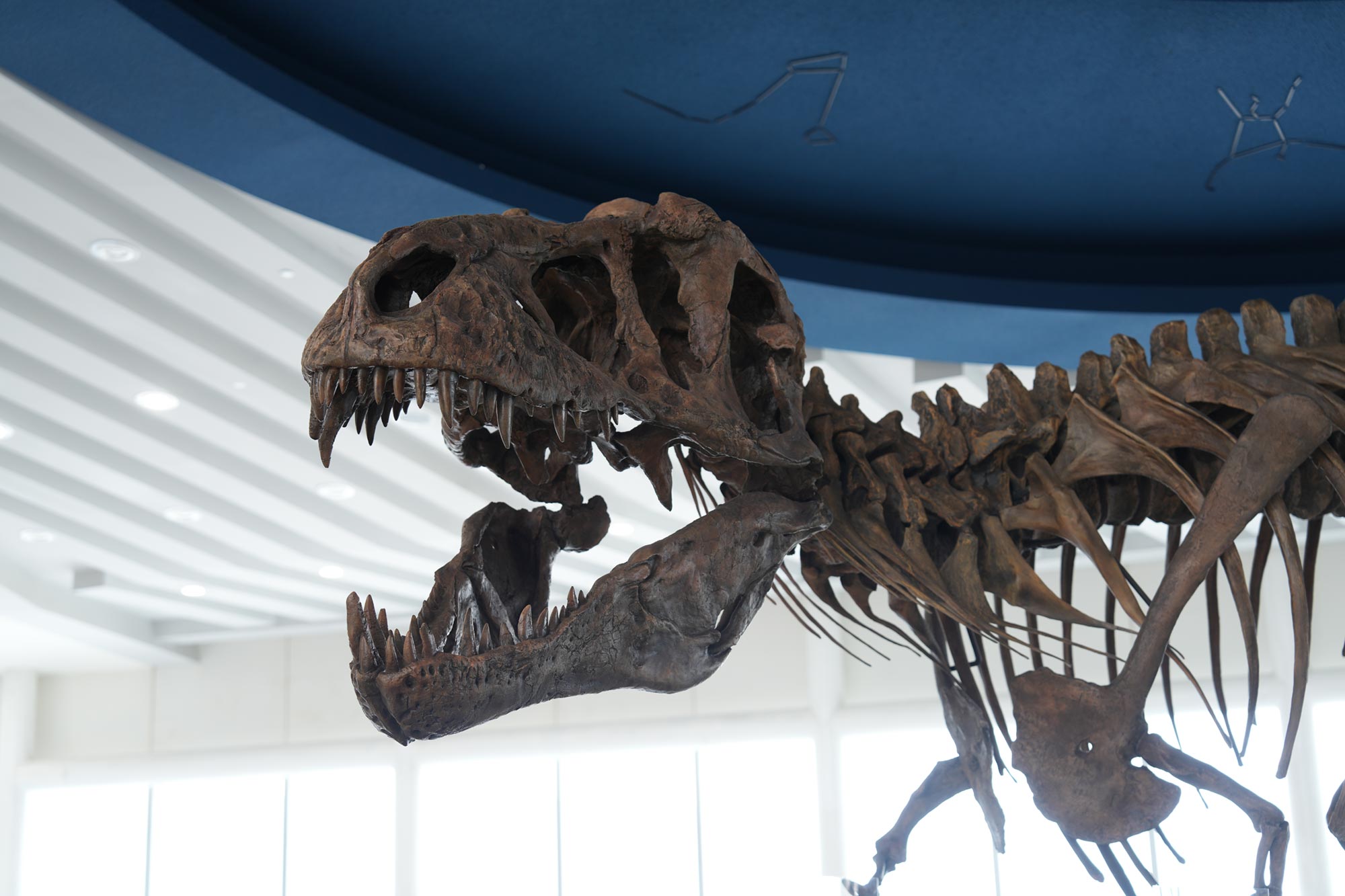
Scientists from the University of Regina used neutron tomography at Oak Ridge National Laboratory to find a network of mineralized blood vessels in a broken rib of the T. rex Scotty, evidence of healing from an injury 66 million years ago. This is the first such observation in fossils.
- Neutron imaging MARS and VENUS revealed vessels without damaging the fossil
- Scotty is the largest T. rex skeleton, found in the Frenchman River Valley in Saskatchewan
- A salt marsh slowed decomposition and preserved soft tissues
- Project began in 2020 with micro-CT at Canadian Light Source
Read next
Science