Stellar Collisions Could Explain Early Supermassive Black Holes
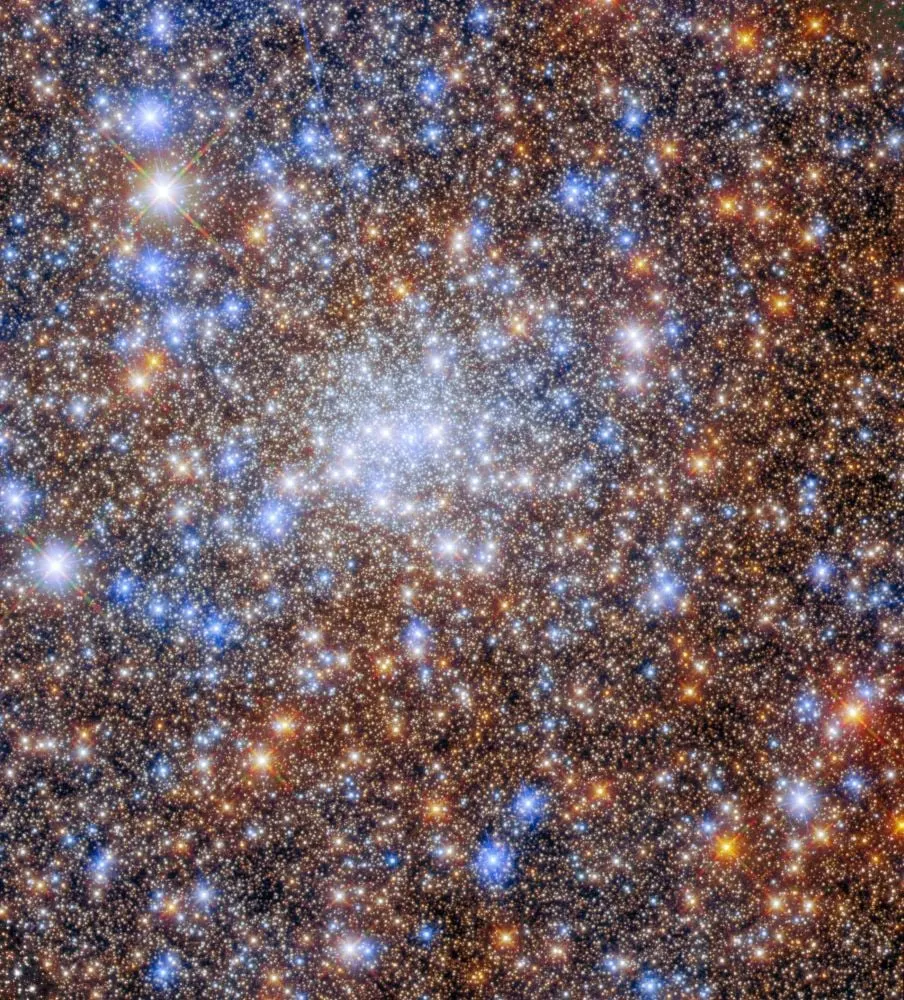
Astrophysicists at UCLA propose that repeated stellar collisions in dense early-Universe clusters build very massive stars that collapse into black holes. The model links these collisions to JWST's early supermassive black holes and Little Red Dots.
- JWST found supermassive black holes just 400–500 million years after the Big Bang
- Simulations of 1,000 stars within 1 pc produced runaway mergers into stars above 100 solar masses
- Destructive collisions build dense gas around black holes, matching Little Red Dots
- About 80% of early galaxies host nuclear star clusters
Read next
Science