Neutrino Flavor Conversion Decides Whether a Massive Star Explodes or Becomes a Black Hole
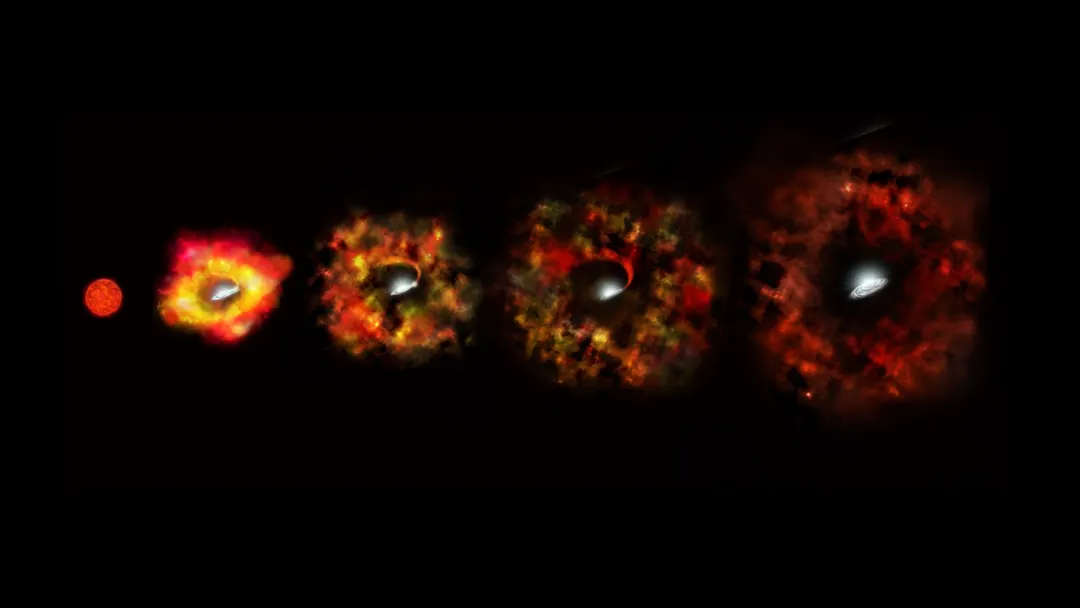
A study in Physical Review D finds that even small neutrino flavor conversion during core collapse shapes the outcome: stars of 16–30 solar masses mostly collapse directly into black holes, while lighter and heavier stars explode as supernovae. The result may explain the observed shortage of supernovae.
- Simulations covered 195 progenitor stars from 9 to 120 solar masses
- Even modest neutrino flavor conversion flips the collapse outcome
- Stars of 16–30 solar masses tend to collapse into black holes
- Findings explain fewer supernovae than star formation rates predict
Read next
Science