Study Shows How Metal Ions Zip Together Like-Charged DNA Molecules
Researchers at the University of York and Sheffield used atomic force microscopy and computer modeling to show how divalent metal ions act as bridges between equally charged DNA molecules. The findings confirm the "DNA zipper" model proposed about 20 years ago and could aid cancer research and biotechnology.
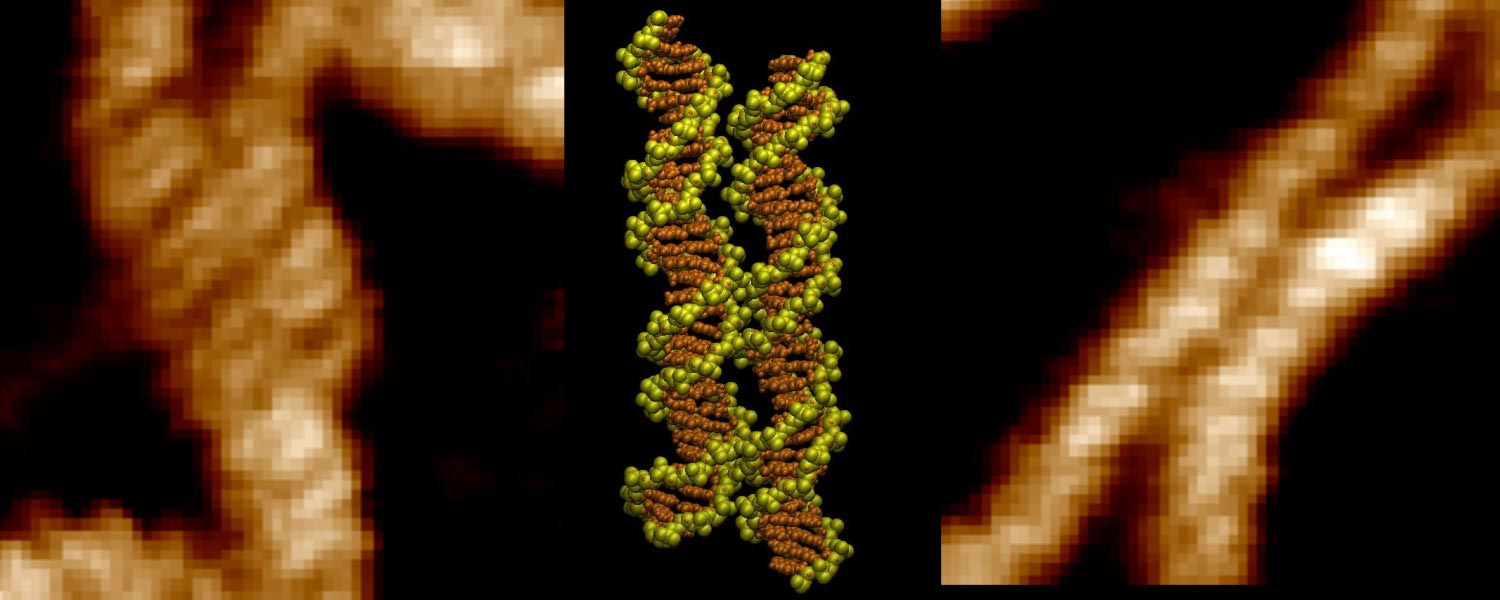
- DNA fragments align groove-to-groove with high precision
- Divalent metal ions act as bridges between two helices
- Some DNA sequences form stronger contacts, called hotspots
- Results confirm the "DNA zipper" model proposed 20 years ago
Read next
Science