NASA Picks GIMLI to Probe the Marius Hills Pit on the Moon
NASA has selected the GIMLI project for the first surface-level geophysical survey of the roughly 34-meter-deep Marius Hills Pit. Radar, seismic sensors and a gravimeter will check whether a lava tube lies beneath, potentially shielding astronauts from radiation and temperature extremes.
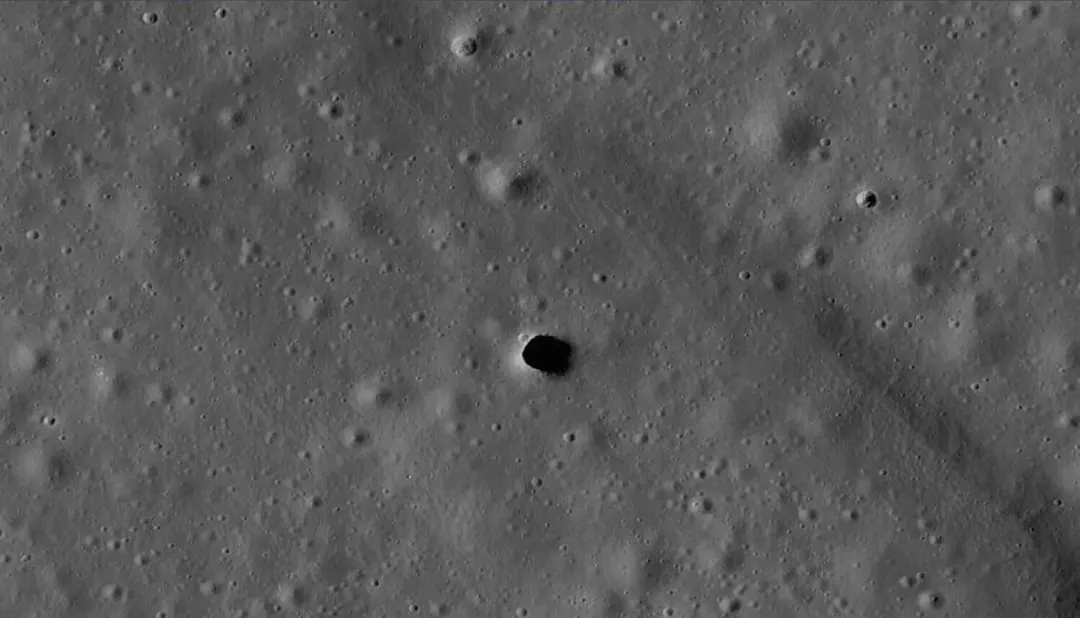
- The Marius Hills Pit is about 34 m deep and 65 by 90 m wide, studied only from orbit
- GIMLI combines radar, seismic sensors and gravimetry to search for a subsurface void
- Funding comes via NASA's PRISM program, with delivery through the CLPS initiative
- A confirmed lava tube could give astronauts natural shielding from radiation
Read next
Science