Stanford scientists regrow cartilage and stop arthritis by blocking aging protein
Stanford researchers blocked the protein 15-PGDH, which rises with age, restoring knee cartilage in older mice and protecting them from arthritis after ACL-like injuries. Human cartilage samples from knee replacement surgeries also began producing new tissue. The approach could eventually yield an oral drug or injection instead of joint replacement.
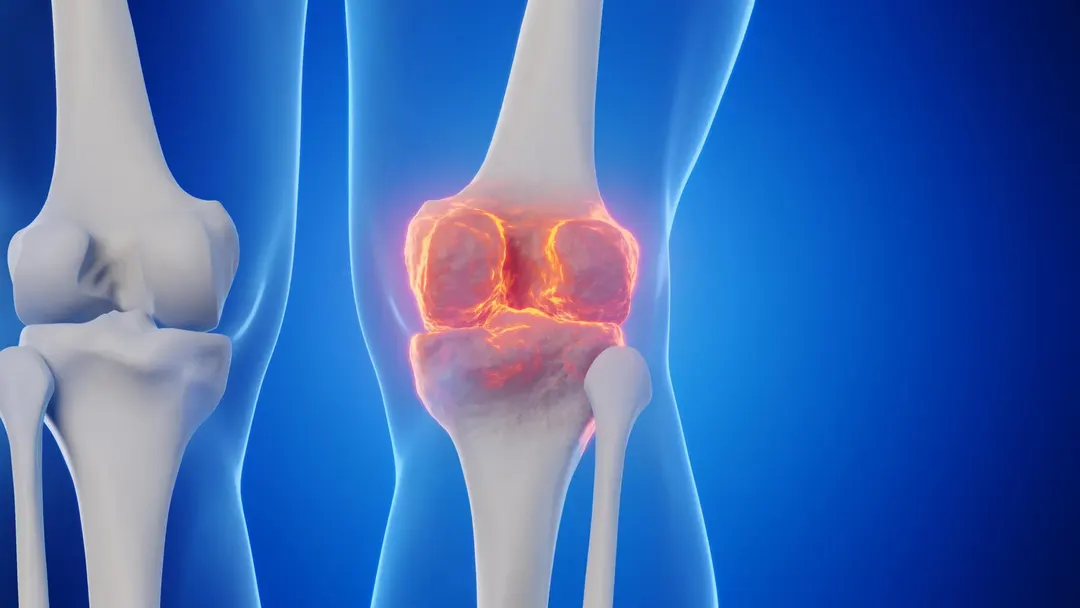
- Blocking 15-PGDH doubled cartilage regeneration in old mice
- Treatment protected mice from arthritis after ACL-like knee injuries
- Human cartilage from knee replacement surgeries responded to the therapy
- Osteoarthritis affects one in five US adults, costing about $65 billion a year
Read next
Science