Super-sticky 'living cement' could turn Martian dirt into 3D-printed shelters
Chinese researchers developed a biological cement made from Martian regolith simulant, gelatin and genetically engineered Saccharomyces cerevisiae yeast that produces mussel-like adhesive proteins. The paste is extruded through a 3D printer and cures under Mars-like cold and near-vacuum via freeze-drying. It reaches 12 MPa compressive and 6 MPa flexural strength, comparable to lightweight concrete.
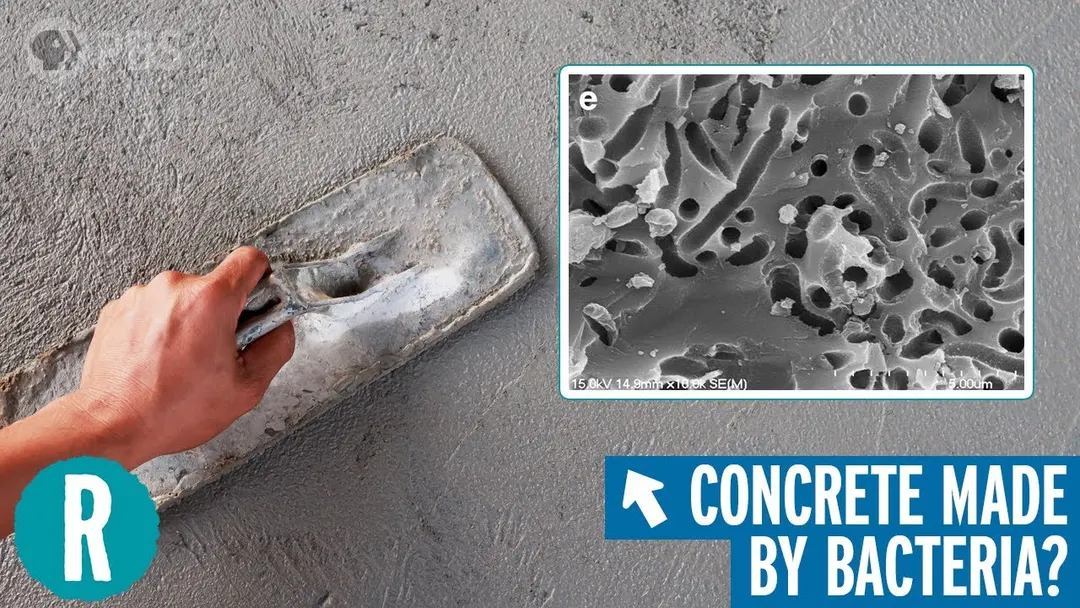
- Mix of regolith, gelatin and yeast with mussel-like adhesive proteins
- Strength of 12 MPa compressive and 6 MPa flexural, like lightweight concrete
- Curing relies on Mars's cold and near-vacuum instead of liquid water
- Material is recyclable, but tests used sand, not real Martian regolith
Read next
Science