Venus' mysterious haze is actually cosmic dust, study finds
Planetary scientists at Tohoku University used a microphysical model to show that Venus' lower haze forms from meteorite particles rather than volcanic ash. Sulfuric acid condenses on the cosmic dust, and iron sulfate explains the planet's long-unexplained ultraviolet absorption.
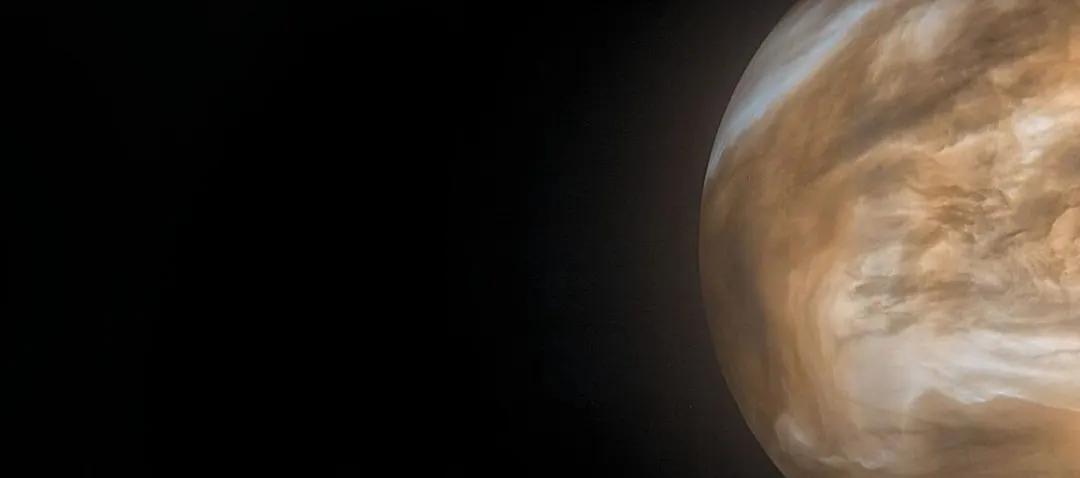
- Haze at 40–50 km is built from burned-up meteorite particles, not volcanic ash
- Iron sulfate from meteor dust explains Venus' ultraviolet absorption
- Cosmic dust acts as condensation nuclei and boosts cloud formation
- Findings may apply to Jupiter, Saturn, Neptune and exoplanets
Read next
Science