Aarhus University builds saltwater touch sensor for prosthetics
Researchers at Aarhus University have developed a soft, lentil-sized sensor that turns touch into electrical signals using charged particles moving through salt water, mimicking the body's sensory cells. A prototype on a prosthetic fingertip detects touch and a wrist pulse, but direct nerve stimulation requires exceeding roughly 20 millivolts.
- Lentil-sized sensor uses soft silicone with a microscopic channel filled with salt water
- Pressure shifts charged particles and generates a weak electrical potential
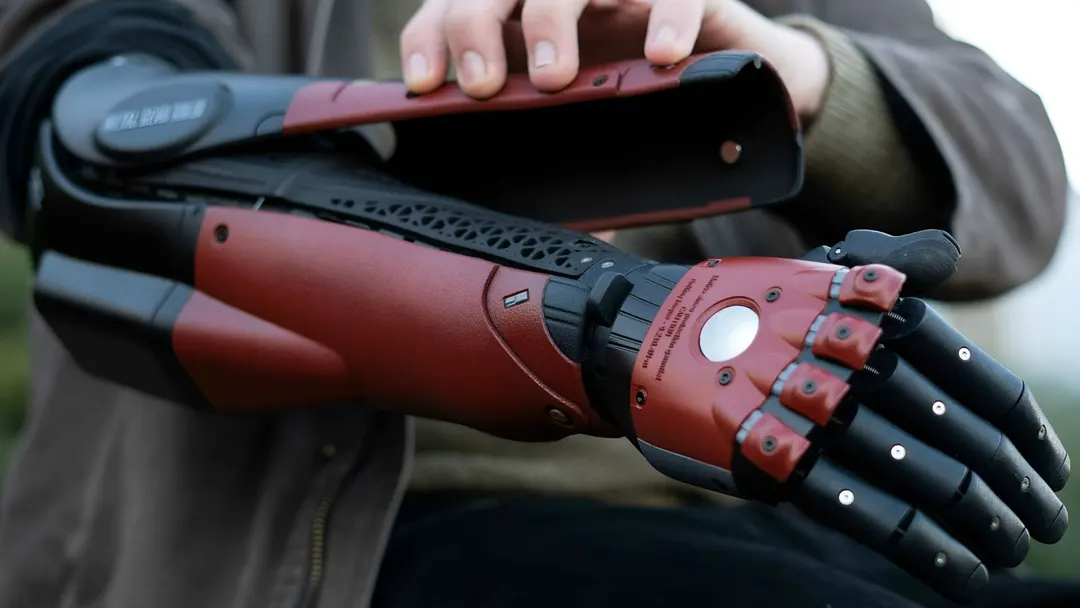
- Prototype on a prosthetic hand detects touch and a pulse from a wrist vessel
- Direct nerve stimulation needs about 20 mV; human use is years away
Read next
Science