Ice blasting from Enceladus is chemically more diverse than expected
Researchers from ELSI at the Institute of Science Tokyo and Freie Universität Berlin explained why ice grains from Enceladus' ocean have varied chemical compositions. Analysis of 961 Cassini mass spectra shows slow freezing of large droplets separates salts into different fragments, which could simplify the search for signs of life.
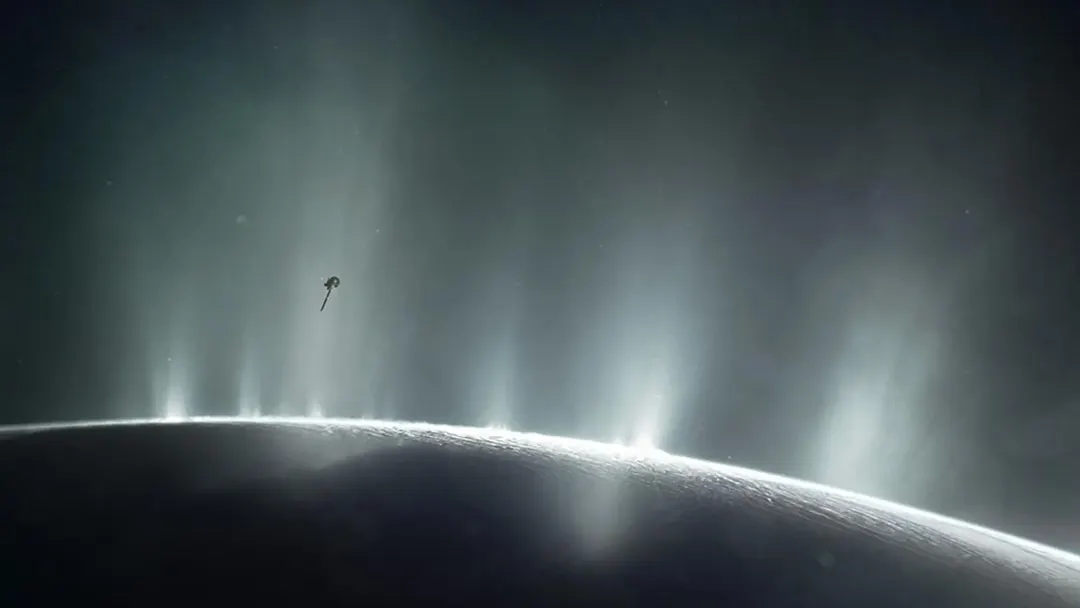
- 961 mass spectra of salt-rich Type 3 particles from Saturn's E-ring were analyzed
- In ~200 µm droplets, salts separate when freezing below 10 K per minute
- Chloride and carbonate rarely appear in the same sodium-rich particle
- Natural separation and concentration could ease analysis on future missions
Read next
Science