Scientists Find Extinct Deep-Sea Brine Pool That May Explain Early Life
Researchers aboard the R/V OceanXplorer studied the extinct Hume brine pool 1,370 m deep in the Red Sea. Extremophiles living there 2,000–16,000 years ago oxidized manganese and iron, a possible energy mechanism before Earth's atmosphere gained oxygen.
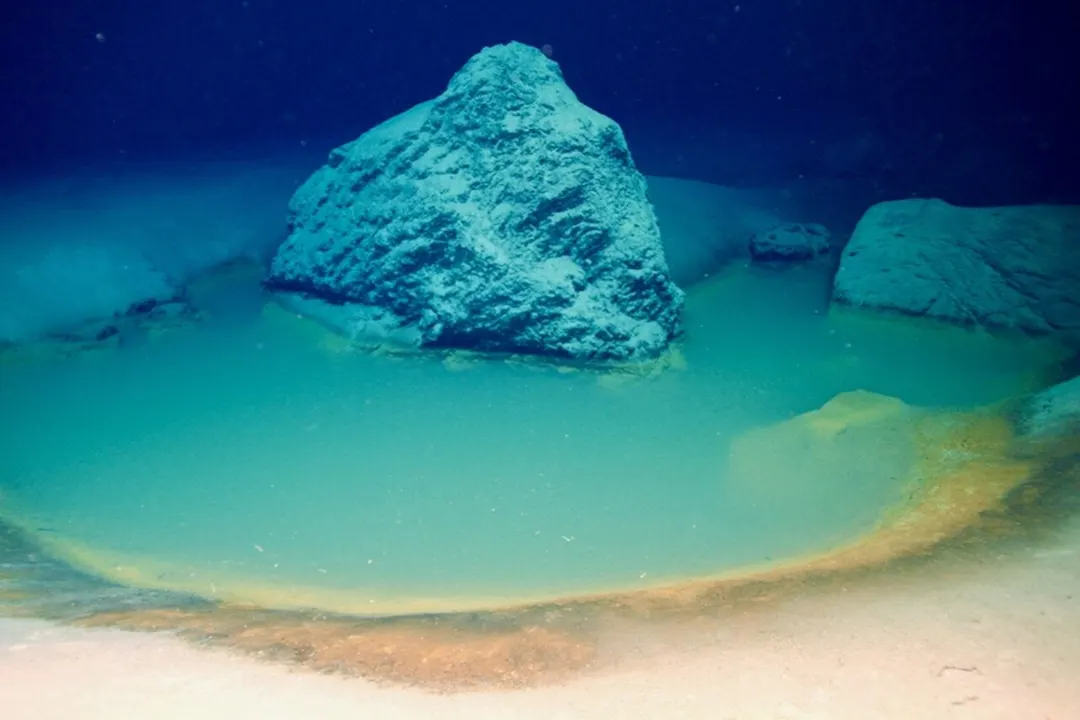
- The extinct Hume pool lies 1,370 m deep in the northern Red Sea
- Microbes inhabited it roughly 2,000 to 16,000 years ago
- Sediments hold manganese, iron, molybdenum and copper, up to 100x background levels
- Findings published in AGU Advances from three expeditions in 2020–2023
Read next
Gadgets