Venus May Have Swallowed Its Own Moon, Simulations Suggest
Astrophysicist Stephen Kane of UC Riverside modeled the fate of a hypothetical Venus moon and found that the planet's slow 243-day rotation would draw a satellite inward rather than push it away. In most simulations the moon eventually crashed into Venus, with more massive moons colliding sooner. The study was published in The Astrophysical Journal.
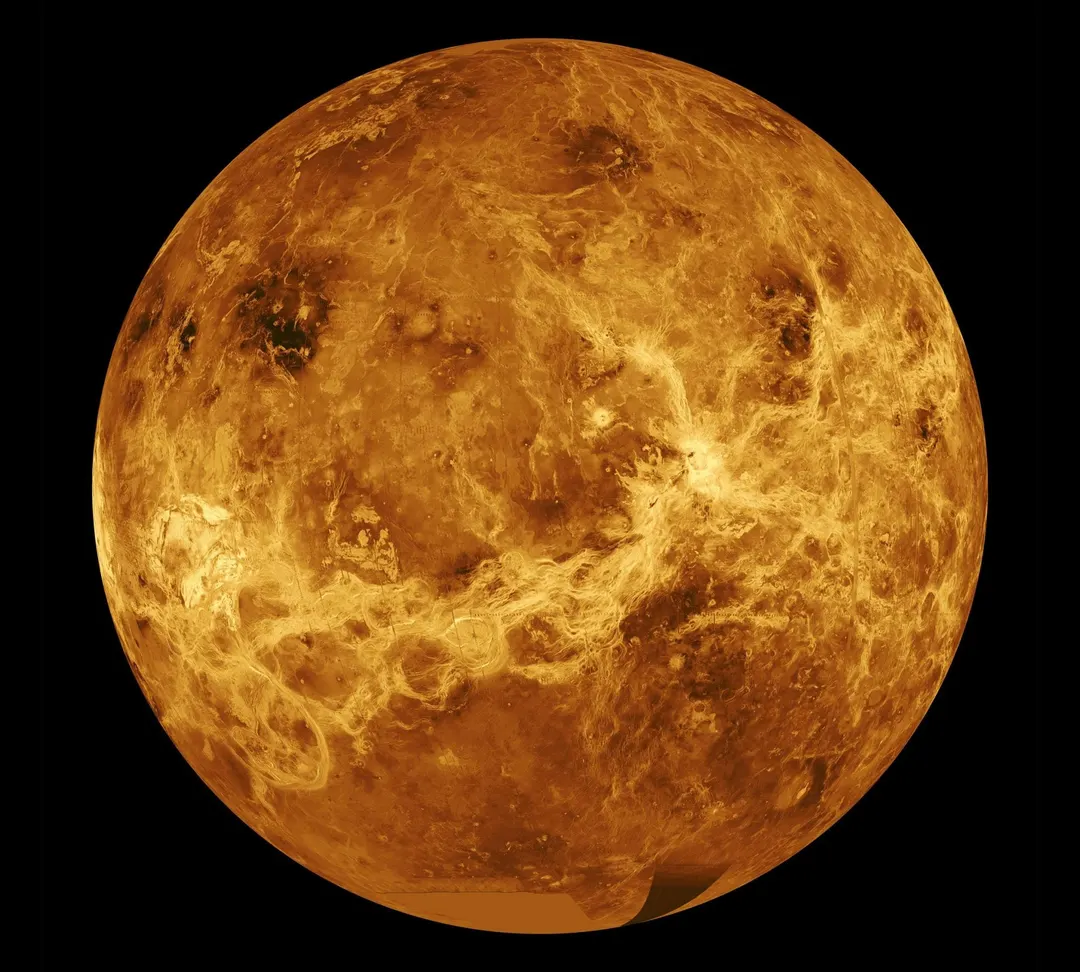
- Venus rotates once every 243 Earth days, far slower than Earth
- The model was validated on the Earth-Moon system, which drifts 4 cm per year
- Simulations tested moons from 0.5 to 10 times the mass of Earth's Moon
- About 80% of Venus's surface was resurfaced roughly a billion years ago
Read next
Science