Chemistry method speeds up modeling of diamond qubits
Mark Martirez at the DOE's Princeton Plasma Physics Laboratory models diamond defects as isolated 16–30-atom molecules, making simulations of their response to light and microwaves far cheaper. The approach identified boron- and oxygen-based color centers that could act as room-temperature qubits. The work was published in ACS Central Science.
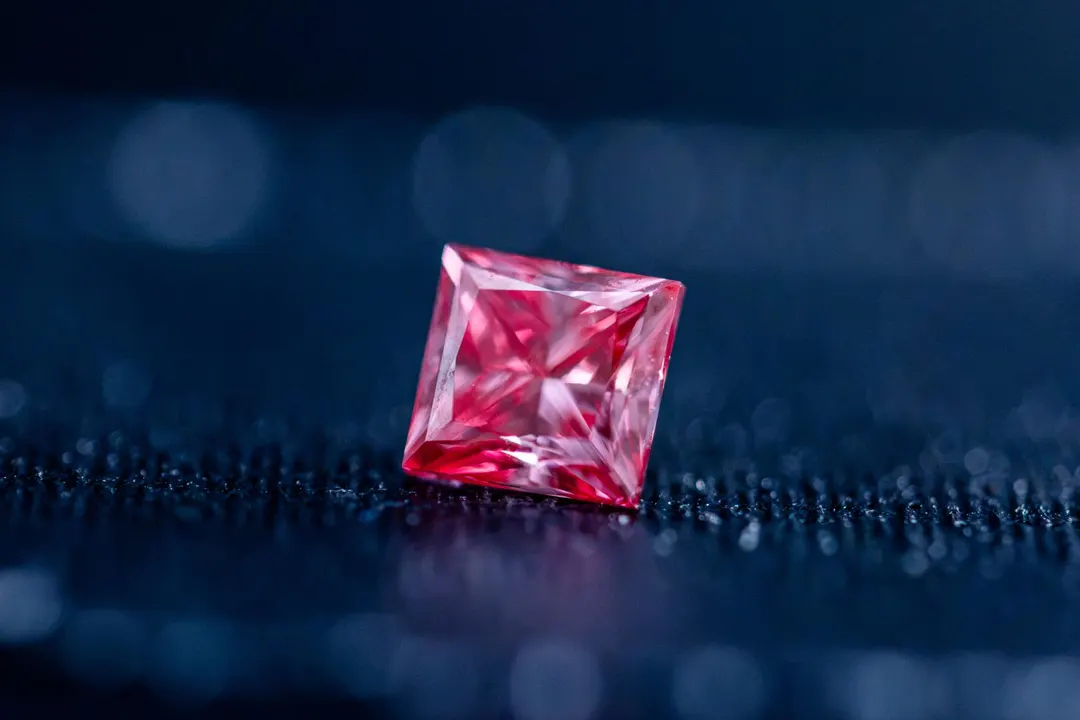
- Defects are treated as 16–30-atom molecules, cutting simulation cost sharply
- Oxygen defects emit blue light, boron defects emit ultraviolet
- Diamond qubits can operate at room temperature unlike most candidates
Read next
Science