Viscous fluid at tumor edge makes glioblastoma cells more invasive
Researchers at Chongqing General Hospital and Chongqing University found that fluid at the outer edge of glioblastoma is about eight times more viscous than at the tumor's center. After a month in that environment, U-251 and LN-229 cells became smaller and more flexible, moved faster, and retained changes after returning to normal-viscosity fluid.
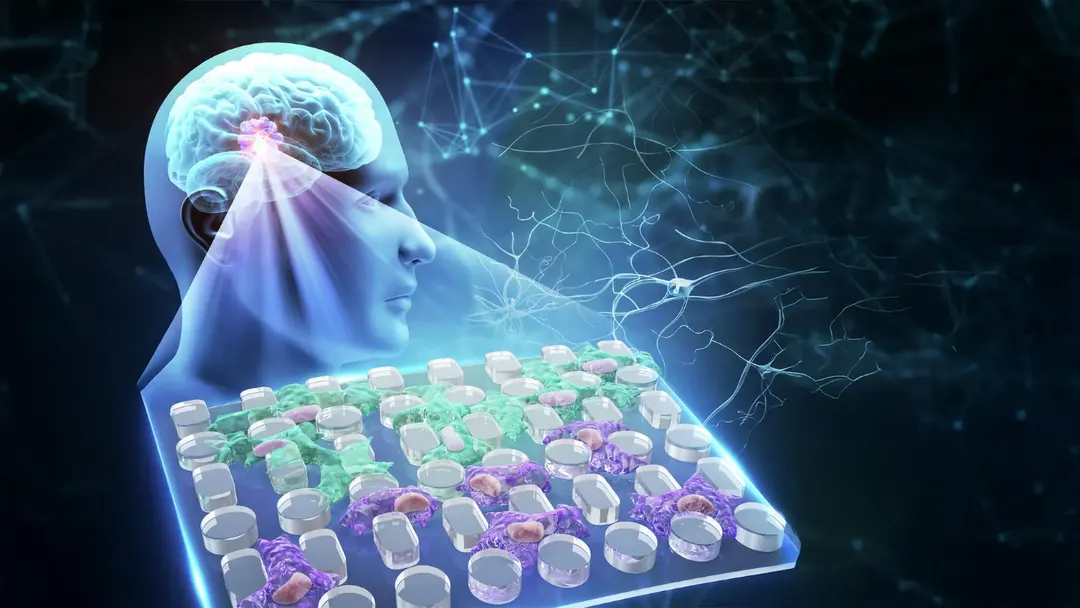
- Fluid viscosity at the tumor edge is about 8 times higher than at the center
- Cells were cultured for a month in 7.1 cP fluid on an open microfluidic chip
- Adapted cells traveled faster and covered greater distances
- YAP, a mechanosensing protein, accumulated inside cell nuclei
Read next
Science