Scientists find Ral–CTSA pathway that lowers cholesterol in mice
Researchers at UC San Diego reported in Nature that a high-cholesterol diet activates the protein Ral, which via the enzyme CTSA depletes LDL receptors in the liver. Blocking CTSA with a small molecule stabilized the receptors and sharply lowered LDL in mice, and a shelved CTSA inhibitor has already passed Phase 1 safety testing.
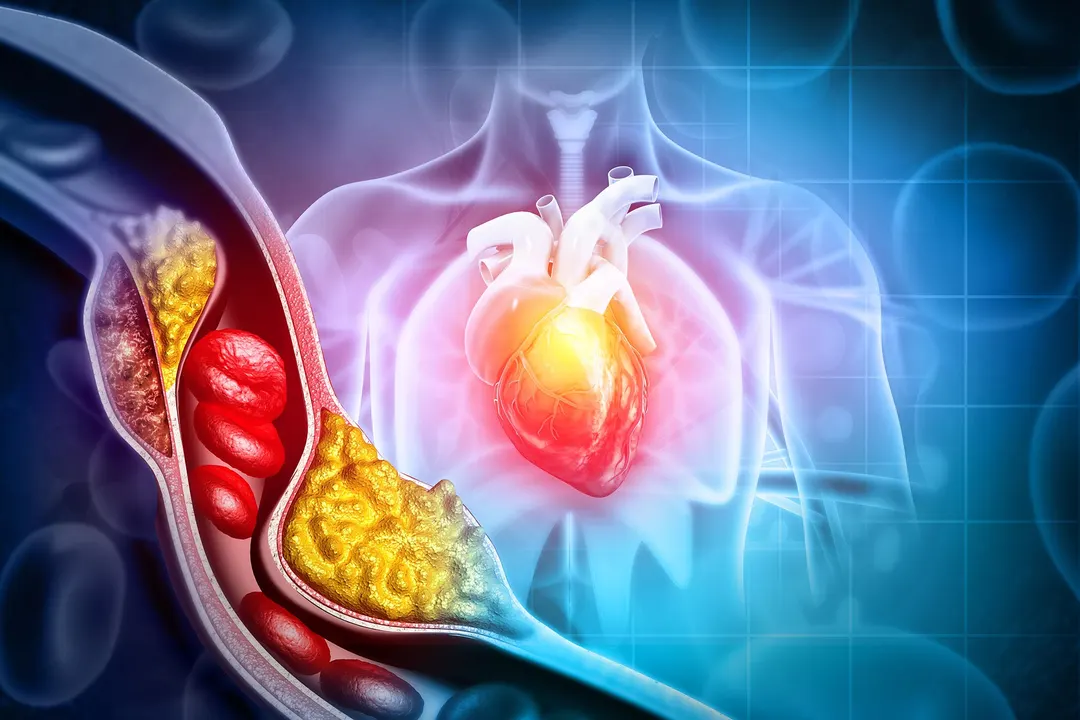
- High-cholesterol diet activates Ral and reduces LDL receptor levels
- Blocking CTSA stabilized receptors and sharply lowered LDL in mice
- The CTSA inhibitor already passed Phase 1 safety trials for heart failure
- Effect in humans is unproven; a Phase 2 trial is planned
Read next
Science