Chernobyl's radioactive debris proves more resilient than expected
Researchers at Leibniz University Hannover and HZDR analyzed six radioactive "hot particles" from Chernobyl soil using synchrotron X-ray diffraction. The nuclear fuel's crystal structure remained largely intact, making the particles chemically more stable and slower to release fission products than assumed. The findings do not justify lifting restrictions on the exclusion zone.
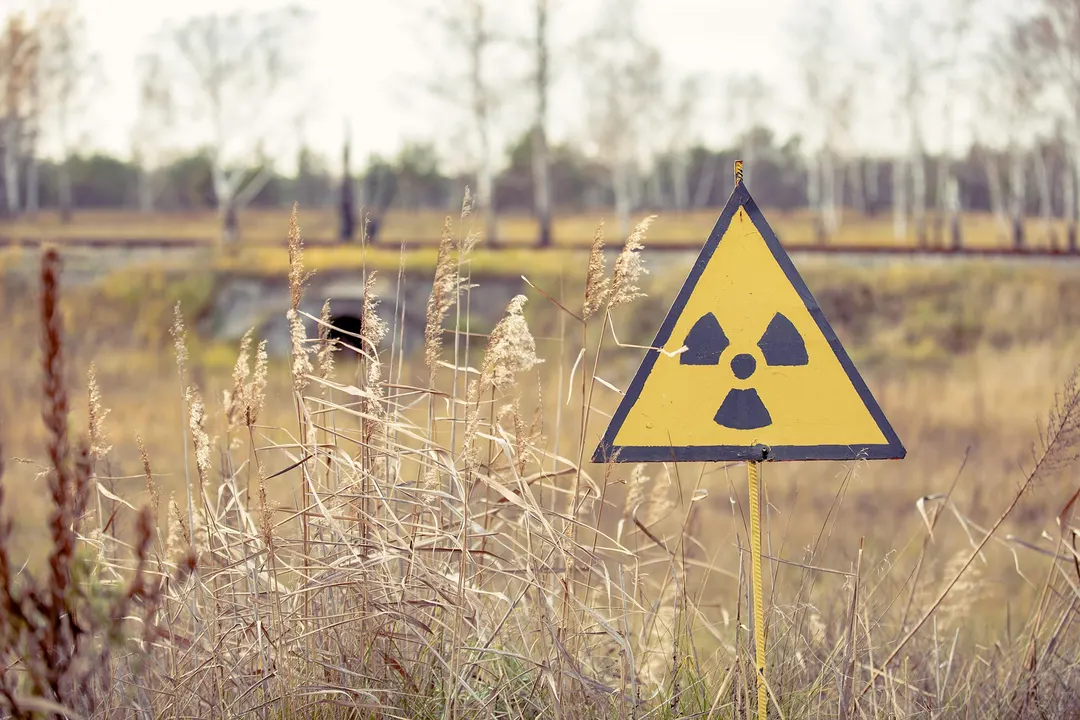
- Six particles 8–50 µm wide from two Chernobyl soil sites were studied
- Each particle was measured from 2,000 angles in a 100 µm X-ray beam
- Three particle types found: fuel, fuel fused with zirconium, and oxides from the graphite fire
- Unstable U₃O₈ crumbles easily and can be carried by wind
Read next
Science