Satellites show Antarctic ice cliffs stabilizing after rapid collapse
MIT and WHOI researchers analyzed ICESat-2 data on more than 15,000 Antarctic ice cliffs from 2019 to 2023. The tallest cliffs, up to 127 m, collapsed faster than models predicted, but retreat was short-lived: glaciers stabilized where the bed rises, and thick mélange and deep water help hold cliffs in place.
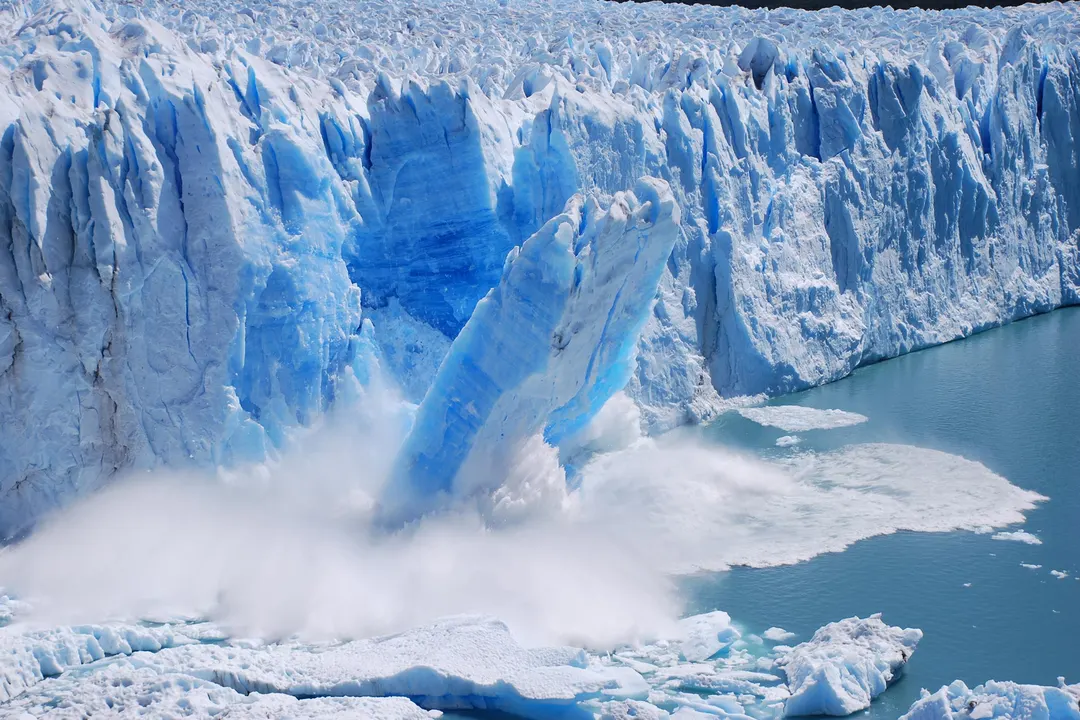
- ICESat-2 measured cliff heights every three months from 2019 to 2023
- Average cliff height was about 30 m versus a proposed 100 m instability threshold
- Four tallest cliffs reached 127 m, yet retreat soon stopped
- Rising bedrock, thick mélange and deep water support stabilization
Read next
Science