Google speeds protein structure prediction 8.6-fold for targeted cancer research
Google researchers developed a "surgical epitope excision" method that accelerates protein structure prediction 8.6-fold without losing accuracy. They used it to design proteins binding tightly to fibroblast activation protein alpha (FAP), a marker of solid tumors, achieving single-digit nanomolar affinity in lab tests. The work is part of three Google Research projects on AI agents for molecular design and lab automation.
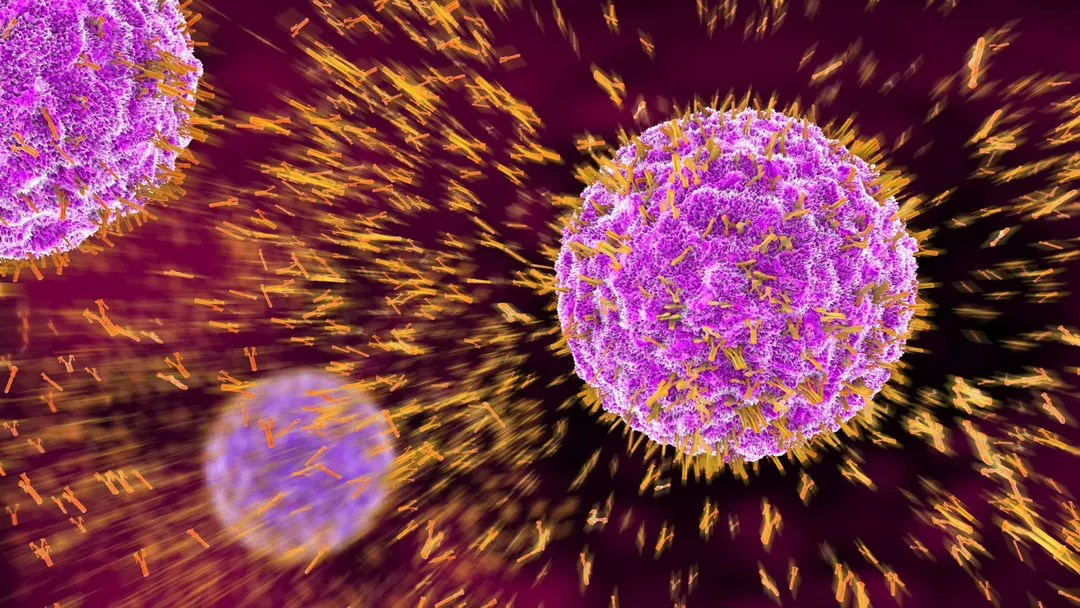
- Surgical epitope excision sped up structure prediction by 8.6 times
- FAP-binding proteins reached single-digit nanomolar affinity in lab tests
- An agent-assisted scientist achieved nearly double the predicted hit rate
- Three DNA aptamer design rounds hit 33.5% and 42.1% on-target rates
Read next
AI