Perovskite solar mini-modules hit 18.2% efficiency with safer solvents
The University of Surrey developed a low-toxicity, bio-derived solvent system for printing flexible perovskite solar modules, replacing hazardous dimethylformamide and acetonitrile. Mini-modules with an active area of 11.5 cm² reached over 18.2% power conversion efficiency and remained stable under continuous illumination.
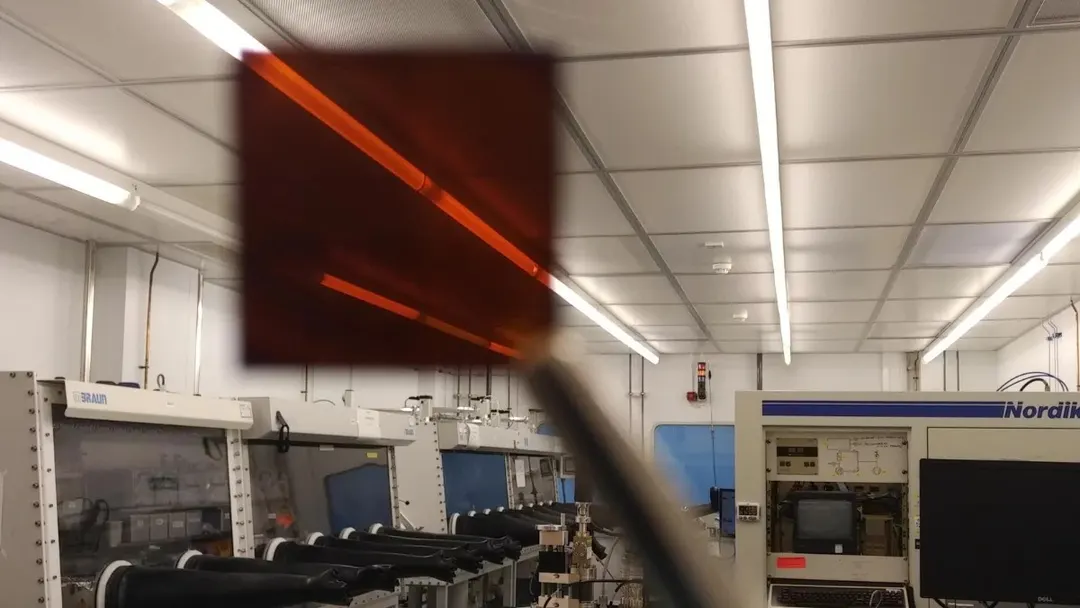
- Flexible mini-modules reached over 18.2% efficiency at 11.5 cm² active area
- Bio-derived solvent from agricultural and forestry waste replaces toxic DMF and acetonitrile
- A single gigawatt-scale line typically consumes over 90,000 liters of toxic solvent
- Process is compatible with roll-to-roll and standard slot-die coating for industrial scale
Read next
Science