New Chemistry Method Speeds Up Diamond Qubit Search, Finds Blue and UV Candidates
Researchers at the U.S. Department of Energy's Princeton Plasma Physics Laboratory (PPPL) proposed treating diamond defects as molecules of 16–30 atoms, sharply cutting the cost of qubit simulation. The method surfaced two new candidates: an oxygen-vacancy center emitting blue light and a boron-vacancy center with an ultraviolet transition.
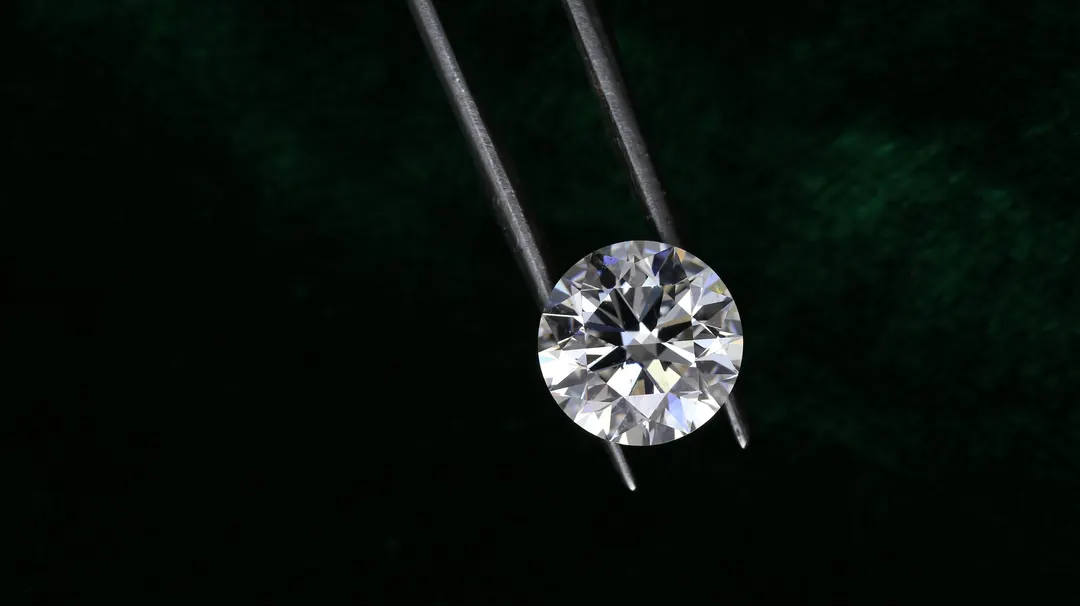
- The method treats a 16–30 atom cluster as a molecule instead of a hundreds-atom supercell
- The oxygen-vacancy OcVc0 emits blue light instead of the NV center's red
- The boron-vacancy BcVc− has its brightest transition in the ultraviolet
- Both candidates are predicted to have shorter radiative lifetimes than NV−
Read next
Science