Scientists link the Moon's two faces to ancient magma circulation
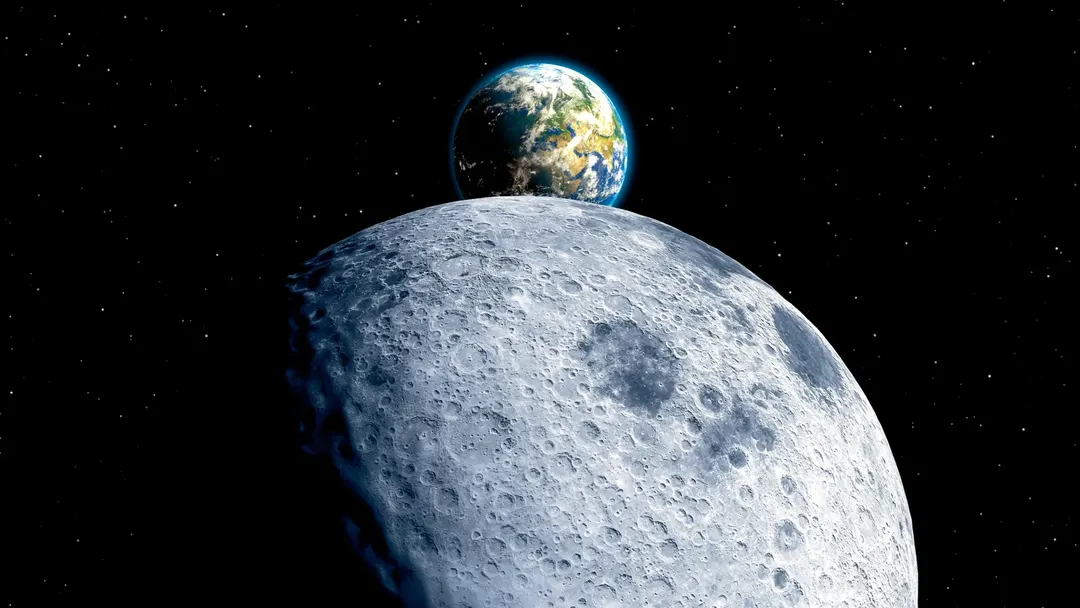
A team led by Professor Hejiu Hui of Nanjing University analyzed Chang'e-6 samples from the Moon's far side and compared them with Apollo and Chang'e-5 rocks. They found the lunar mantle is broadly similar on both sides, while crustal differences arose from large-scale heat-driven magma circulation after the Moon became tidally locked to Earth.
- Chang'e-6 basalts came from depleted mantle, like Apollo low-Ti basalts
- Far-side anorthosites are richer in magnesium than Apollo samples
- Model: tidal heating pushed hot magma from the near side to the far side, thickening its crust
- KREEP and ilmenite-bearing cumulates concentrated on the near side
Read next
Science