Researchers Measure How Water Behaves Under Lunar Gravity
A team led by Karl Hasenstein ran an autonomous experiment aboard the New Shepard 29 capsule, which spun at 11 RPM to generate lunar gravity of about 1.76 m/s². In 18 fluid-filled cavities with water, glycerol and saline solutions, they measured surface tension and capillary length, finding both lower than textbook values.
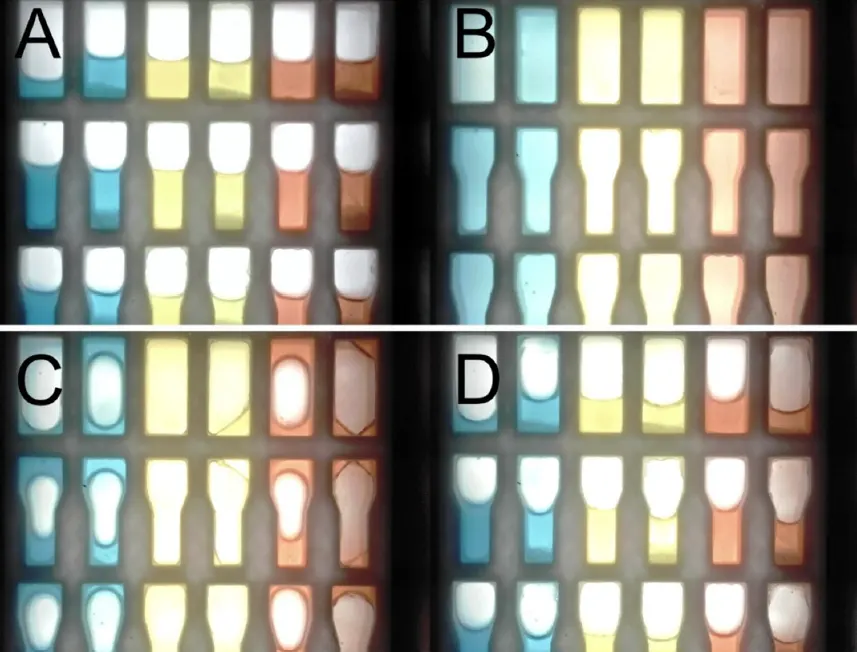
- New Shepard 29 generated 1.76 m/s² lunar gravity at 11 RPM
- The experiment ran about two minutes, far longer than parabolic flights
- Meniscus curvature was more rounded than under Earth gravity
- Glycerol showed the best wetting and could regulate water in lunar soil
Read next
Science