Argonne 'camera' captures atomic shockwaves before a qubit forms in silicon carbide
Scientists at the US Department of Energy's Argonne National Laboratory have recorded, in real time and in 3D, the structural changes inside silicon carbide in the split second before a laser pulse creates a qubit. Published in ACS Nano, the work used the Advanced Photon Source to reveal how energy spreads through the lattice as a shockwave and heat.
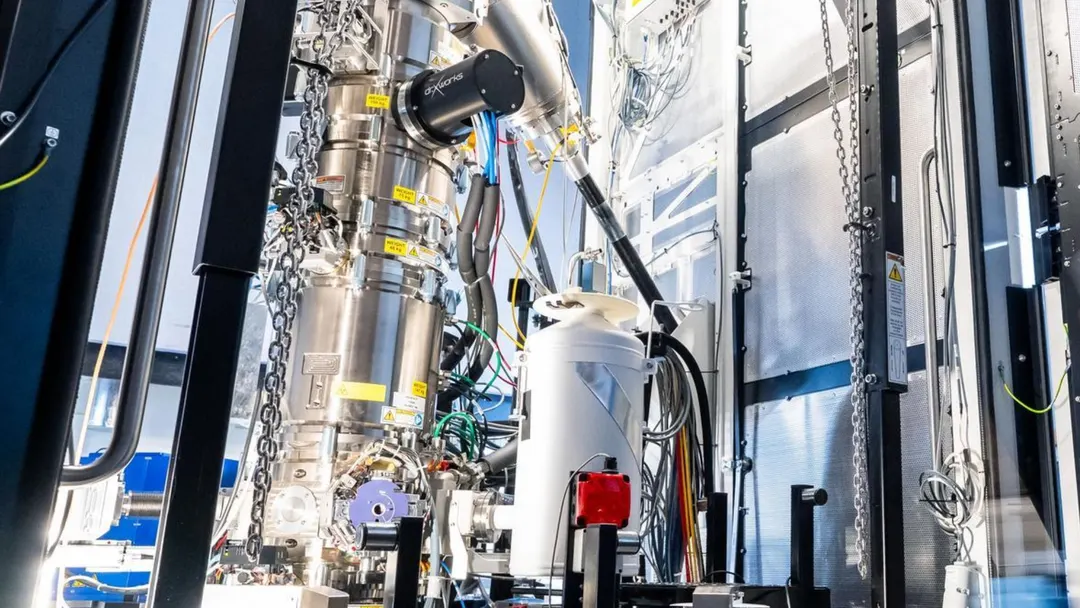
- The X-ray beam was focused to several hundred nanometres, about 100 times thinner than a human hair
- A sub-picosecond laser pulse knocks atoms out of place, leaving vacancies that act as qubits
- Two reactions occur at once: an organized shockwave and slower thermal heating of the lattice
- Silicon carbide is already mass-produced, making it a leading candidate for quantum hardware
Read next
Science