Simulations Show Icy Moons Keep Their Oceans After Catastrophic Impacts
A University of Maryland-led study in Nature Astronomy simulated icy moons of roughly 500 and 1,000 km radius being shattered and reassembled, then tracked their interiors for 4.5 billion years. Large collisions did not destroy subsurface oceans: if an ocean existed before an impact, it likely persisted afterward.
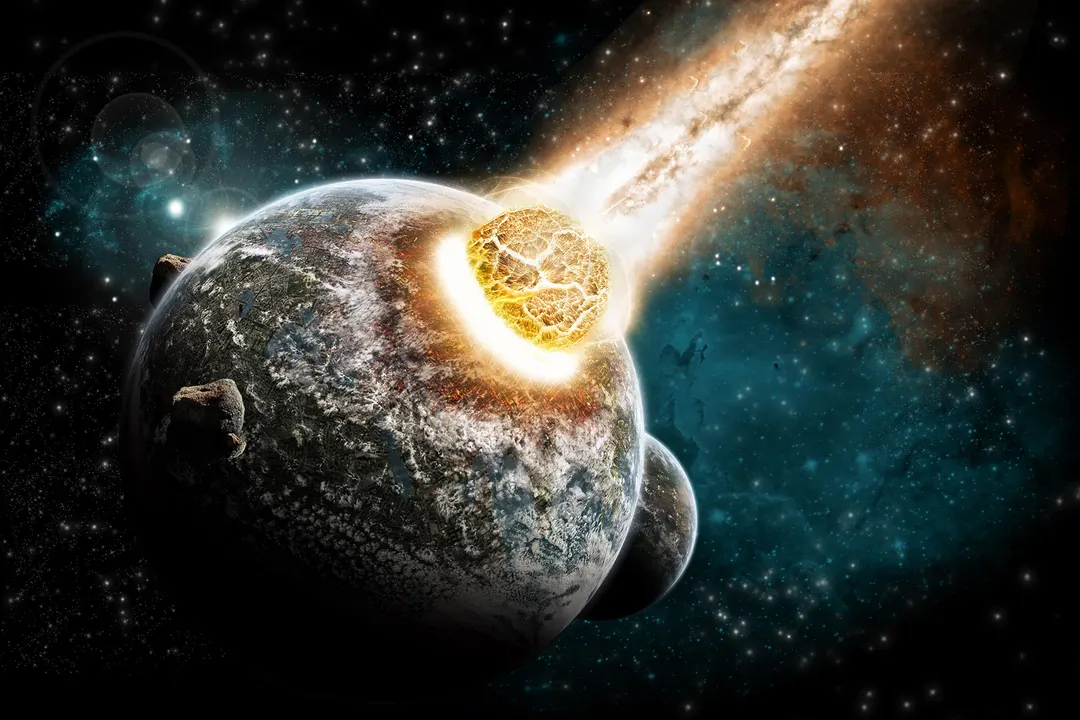
- Moons with radii of ~500 and 1,000 km were simulated being blown apart by impacts
- Interior evolution was tracked for 4.5 billion years after reassembly
- In larger moons, impact heat thickens an existing ocean for billions of years
- In smaller moons, the impact destroys the insulating ice-rock layer that traps warmth
Read next
Science