Two Hidden Forces Help Build the Human Brain Before Birth
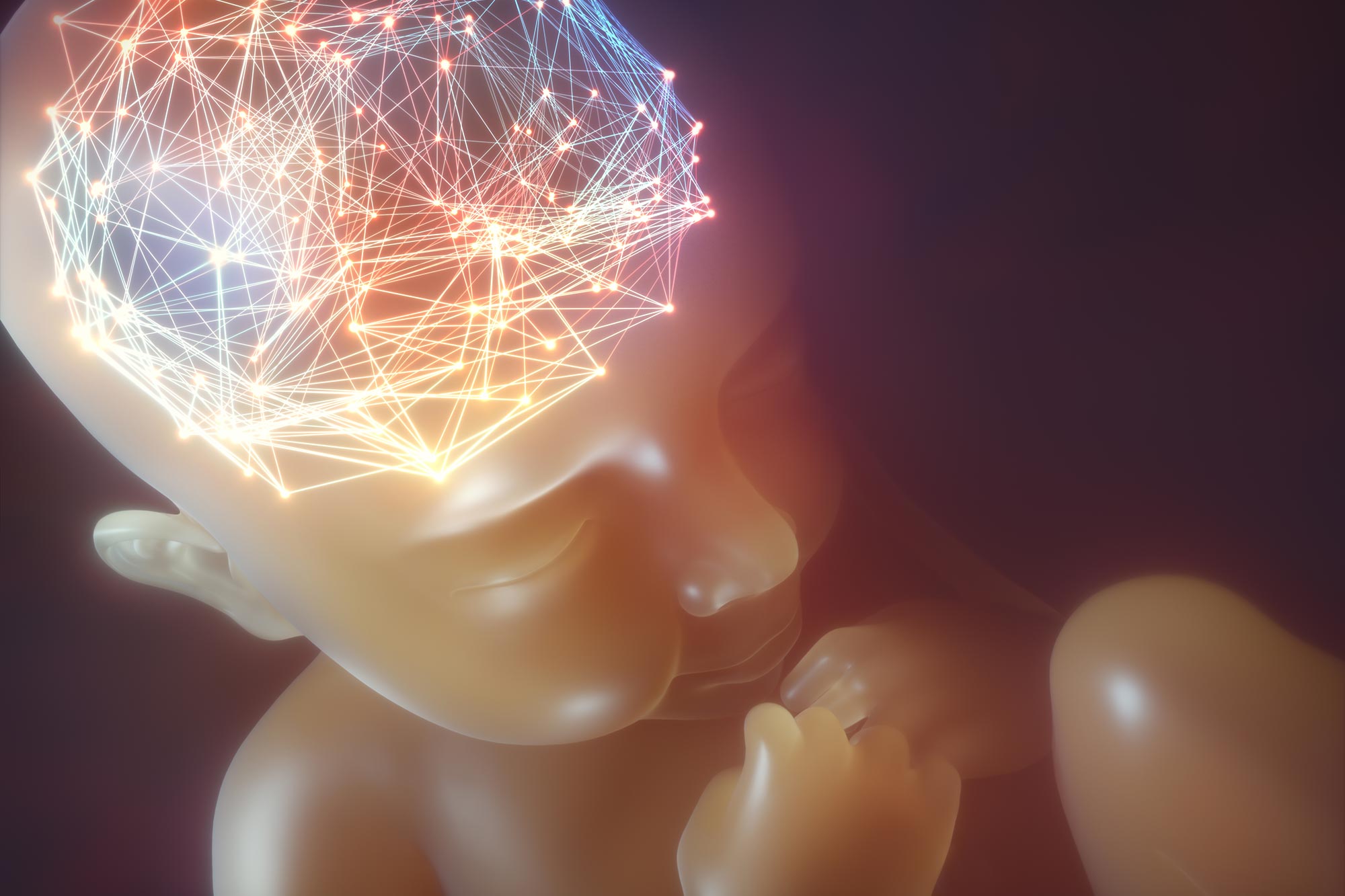
Two UCLA studies published in Cell and Science show that radial glia in the developing human brain responds to metabolism and physical signals from the thalamus. The pentose phosphate pathway and contact with thalamic fibers determine which neurons form in the cortex.
- Radial glia depends on the pentose phosphate pathway: when glucose drops, the share of inhibitory neurons rises
- Thalamic fibers physically touch radial glia and increase the number of excitatory neurons
- The effect is especially strong for upper cortical layers that expanded during human evolution
- The contact is linked to the NRXN1 gene, mutations in which are associated with autism spectrum disorders
Read next
Science