Cavitation inside water droplets damages supersonic vehicles, study finds
Boston University researchers led by Sheryl Grace are studying how tiny water droplets punch through metal on supersonic vehicles. Existing models treated droplets as uniform spheres and missed cavitation — gas bubbles collapsing inside the drop. Supercomputer simulations aim to refine predictions, enabling protective coatings and fewer weather-related launch cancellations.
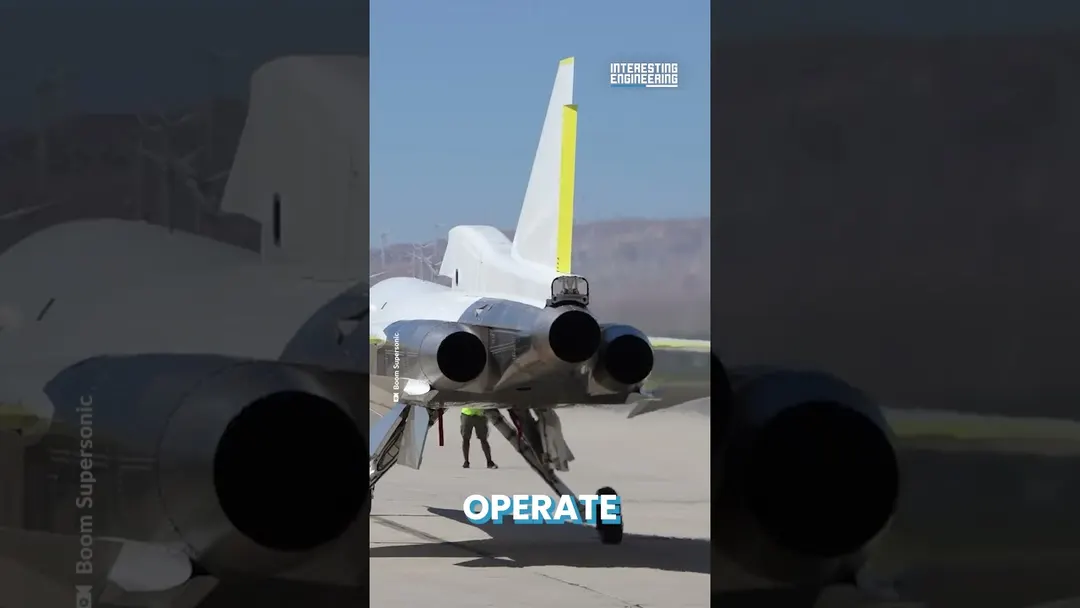
- Supersonic water droplets strike metal with bullet-like force and can pierce a vehicle
- Older models treated droplets as uniform spheres and ignored internal cavitation
- Simulations run on the BU Shared Computing Cluster in Holyoke, Massachusetts
- Findings target protective coatings, safety thresholds and fewer launch cancellations
Read next
Science